
EMAIL:
lh@longhuamachine.com
TELL/whatsapp:
+8619305527239  English English
Views: 0 Author: Site Editor Publish Time: 2026-08-10 Origin: Site


In high-volume die casting, production efficiency and part quality are determined long before molten metal enters the die. They actually begin at the melt. Many foundries struggle repeatedly with unpredictable scrap rates and unexpected equipment downtime. Substandard melting processes lead directly to severe porosity, excessive dross, and critical mechanical failures. These defects compromise structural integrity and severely disrupt downstream machining operations. You must address these thermal and metallurgical variables early to protect overall operational stability. This article provides plant managers and procurement engineers with a pragmatic, actionable framework. You will discover how to thoroughly evaluate and select the right equipment for your facility. We will guide you through matching system capabilities to specific alloy requirements. You will also learn how to align production scales with strict environmental compliance standards. Ultimately, you will gain the knowledge needed to stabilize your casting operations and consistently improve output quality.
Variability in molten metal temperature and purity frequently causes high scrap rates. A reliable Metal Melting Unit must solve for thermal consistency. It must also ensure strict metallurgical integrity. Poor melting practices introduce oxides and hydrogen into the liquid bath. These impurities create microscopic porosity inside final cast components. You need robust equipment to prevent these defects before they occur. The furnace acts as your primary defense against raw material contamination.
You should evaluate success criteria across three distinct operational pillars. Modern foundries demand precision at every stage of the melting phase.
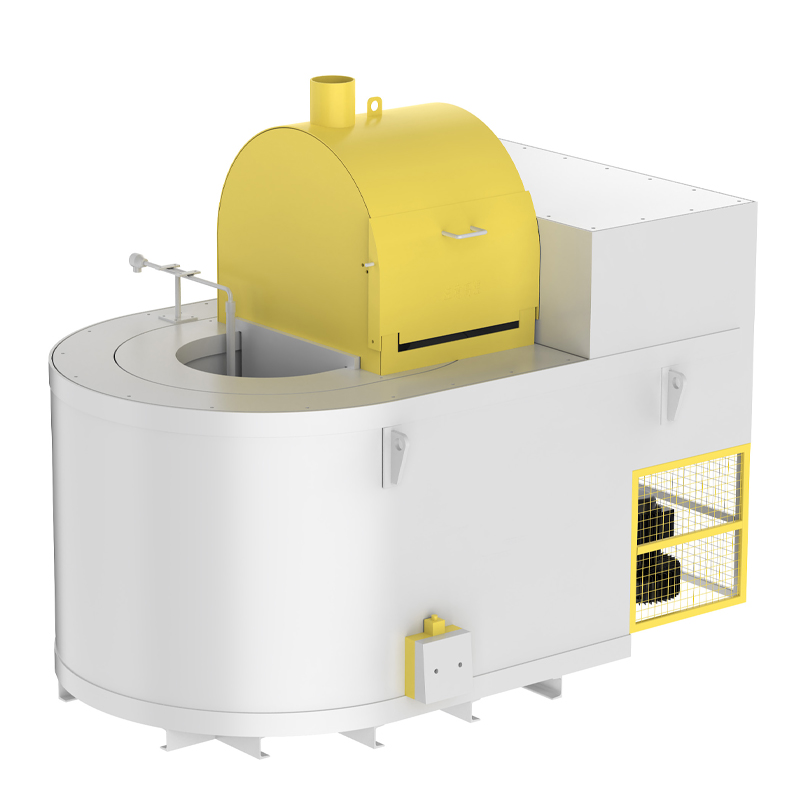
Foundry equipment cannot follow a one-size-fits-all approach. Different alloys behave entirely differently under extreme heat. You must specify furnaces based on distinct chemical behaviors and safety profiles.
Aluminum poses unique operational realities. It readily absorbs hydrogen gas from ambient humidity. It also oxidizes rapidly upon atmospheric exposure. These characteristics demand specialized furnace configurations.
When selecting an aluminum alloy melting furnace, you must scrutinize the internal architecture. You should look for advanced refractory linings. These materials must actively resist corundum growth. Corundum is a hard oxide layer. It aggressively attacks furnace walls and reduces operational capacity. You must also evaluate integrated degassing and fluxing capabilities. Automated flux injection systems significantly reduce manual labor and improve melt cleanliness.
Efficiency metrics dictate long-term viability. You should assess burner positioning carefully. Roof-mounted burners often provide better radiant heat transfer. You must also consider heat recovery systems. Regenerative burners capture exhaust heat and preheat incoming combustion air. This technology efficiently manages the notoriously high energy demands of melting aluminum.
Magnesium introduces entirely different operational realities. It is highly reactive. It poses severe flammability risks upon oxygen exposure. Standard atmospheric melting will cause instant ignition. You cannot treat magnesium like aluminum or zinc.
A proper magnesium alloy melting furnace requires completely different engineering. It must include robust, fail-safe inert gas shielding systems. Foundries typically use sulfur dioxide mixtures or modern SF6 alternatives like Novec 612. These gases create a heavy protective blanket over the melt surface. Furthermore, you cannot use standard refractory bricks. Magnesium reacts violently with silica. Therefore, you must use specialized bi-metallic steel crucibles. These crucibles remain completely non-reactive under high temperatures.
Safety and compliance remain non-negotiable here. Strict adherence to combustible dust regulations is mandatory. You must follow guidelines like NFPA 484 for reactive metal handling. Equipment must feature redundant temperature sensors. These sensors automatically cut power if runaway heating occurs.
Selecting a high-performance metal melting unit requires looking beyond basic capacity labels. You must analyze specific throughput metrics. These metrics determine actual factory floor capability.
First, you must evaluate melt rate versus holding capacity. You need to right-size the unit based on hourly throughput requirements. Overcapitalizing on an oversized furnace wastes massive amounts of holding energy. Conversely, an undersized unit starves your die casting machines. You should calculate total shot weights multiplied by shots per hour. Then, add a twenty percent buffer for scrap returns and thermal losses.
Next, consider energy sources and efficiency. You must evaluate natural gas against electric resistance or induction heating. Natural gas often provides faster raw melting speeds. Electric induction offers superior metallurgical stirring and zero direct emissions. Your choice depends heavily on local utility infrastructure and regional emission constraints.
Metal yield and melt loss dictate operational efficiency. You must assess true performance beyond manufacturer brochures. Analyze the equipment design for minimizing dross formation. Dross is oxidized metal skimmed away as waste. Even a one percent reduction in melt loss preserves massive amounts of raw material annually. Look for sealed charging doors and precise air-to-fuel ratio controls.
Environmental compliance requires forward-thinking procurement. You must evaluate exhaust systems thoroughly. Modern furnaces require sophisticated flue gas filtration. Baghouses and wet scrubbers capture harmful particulates. You must also understand the carbon footprint implications of your selected burner technology for future regulatory compliance.
Table 1: Operational Comparison of Melting Energy Sources
| Energy Source | Melt Rate Speed | Oxidation/Melt Loss | Exhaust Emissions | Temperature Precision |
|---|---|---|---|---|
| Natural Gas (Cold Air) | High | Moderate to High | High (Requires heavy exhaust) | Moderate |
| Natural Gas (Regenerative) | Very High | Moderate | Medium (Better fuel efficiency) | Moderate |
| Electric Resistance | Low to Moderate | Very Low | Zero Direct Emissions | Very High |
| Electric Induction | High | Low | Zero Direct Emissions | High (Includes auto-stirring) |
Purchasing the equipment represents only the first step. Proper implementation dictates ultimate success. You must navigate several physical and logistical challenges during foundry integration.
The central melting versus machine-side melting debate requires a clear decision framework. A large centralized furnace distributes metal to local holding furnaces via transfer ladles. This approach centralizes emissions and simplifies charging operations. However, it requires complex logistics. Conversely, localized melting at each die casting cell offers greater agility. It works well for facilities running multiple different alloys simultaneously. You must weigh your floor space against alloy variety.
Automation and dosing integration determine cycle consistency. You must evaluate furnace compatibility with automated ladles. Consider how the unit feeds heated launders or robotic transfer systems. Modern furnaces utilize PLC protocols like OPC-UA. These protocols allow the melting equipment to communicate directly with the die casting machine. If the machine pauses, the furnace automatically lowers holding temperatures.
Footprint and facility requirements present immediate physical realities. You must address foundation requirements early. Large furnaces require reinforced concrete pits for safe installation. You also need precise ventilation routing for exhaust stacks. Furthermore, you must ensure adequate clearance for safe charging operations. Forklifts or automated conveyors need unobstructed paths to load raw ingots safely.
Procurement teams must evaluate long-term equipment reliability. Focusing purely on immediate technical specifications ignores the realities of daily foundry abuse. You must source equipment designed for harsh industrial survival.
Maintenance access heavily influences continuous uptime. You must evaluate the expected lifespan of crucibles and refractory linings. Ask vendors specific questions regarding cleaning procedures. Can operators easily access all internal walls to scrape down dross? You should assess the ease of replacing heating elements. Plug-and-play electric elements minimize downtime. Conversely, complex gas burner arrays might require specialized technicians.
Supplier trustworthiness separates good investments from operational nightmares. You need strict criteria for shortlisting Original Equipment Manufacturers (OEMs). Prioritize vendors maintaining local availability of critical spare parts. Demand documented Mean Time Between Failures (MTBF) data for their control panels and burner systems. You should also review their Service Level Agreement (SLA) terms. Guaranteed emergency technical support prevents catastrophic production halts.
Next-step actions require rigorous validation. You should request a written performance guarantee regarding melt loss percentages. Never finalize a major capital expenditure blindly. Organize a pilot test if possible. Alternatively, conduct a reference-site visit. Speak directly with operators currently using the specific furnace model. Their practical feedback often reveals undocumented maintenance quirks.
The right metal melting equipment serves as a strategic asset. It dictates the baseline quality and overall stability of your entire die casting operation. Poor melting practices guarantee poor casting results, regardless of how advanced your downstream machinery might be. You must treat the melt phase as your primary quality control checkpoint.
Base your final decision on a critical triad. Prioritize strict material compatibility first. Ensure verifiable energy efficiency second. Finally, demand reliable, localized vendor support. Do not compromise on safety features, especially when handling highly reactive materials like magnesium.
We recommend taking immediate action to assess your current processes. Consult with a specialized furnace engineer this quarter. Have them audit your current melt loss rates and thermal stability metrics. A targeted equipment upgrade will dramatically reduce your scrap rates and stabilize your factory output.
A: A metal melting unit utilizes high power density to phase-change solid ingots into liquid metal. It requires massive thermal energy. A holding furnace merely maintains the temperature of already-molten metal. It uses significantly lower energy output and cannot efficiently melt cold solid scrap.
A: Linings generally last between one to three years. Lifespan depends heavily on daily maintenance, flux usage, and cleaning frequency. Proper operational protocols, like regular dross scraping and avoiding physical impacts during ingot charging, significantly extend refractory life.
A: Magnesium requires specialized bimetallic crucibles to prevent chemical reactions. The furnace must feature dual-temperature monitoring systems to prevent runaway heating. It also requires automated protective gas mixing systems to maintain a continuous inert shield over the highly reactive molten metal.
A: You calculate the required rate by multiplying the total shot weight by the number of shots per hour. You must then add a 15 to 20 percent allowance. This buffer accounts for scrap returns, holding thermal loss, and minor operational delays.
