
EMAIL:
lh@longhuamachine.com
TELL/whatsapp:
+8619305527239  English English
Views: 0 Author: Site Editor Publish Time: 2025-11-26 Origin: Site


Choosing the right die casting machine is a crucial decision that directly impacts your manufacturing efficiency, product quality, and overall costs. Whether you are producing small, intricate parts or large, robust components, selecting the right machine ensures smooth operations and maximized productivity. In this guide, we will walk you through key considerations to make when selecting a die casting machine and offer insights on choosing the best fit for your business needs.
Before selecting a die casting machine, it's essential to understand the different types available. The primary categories include:
Hot-Chamber Die Casting Machines: These machines are best suited for materials with low melting points, such as zinc, magnesium, and lead alloys. They provide high efficiency for casting smaller, more complex parts with great precision.
Cold-Chamber Die Casting Machines: Ideal for high-melting-point metals like aluminum, cold-chamber machines involve pouring molten metal into the chamber before injection. This process is slower but is better suited for casting more durable, larger components.
Squeeze Casting: A variation that uses pressure to create parts from liquid metal, often producing higher quality results and fewer defects.
The type of machine you choose should be based on the material you intend to cast and the specifications of your products.
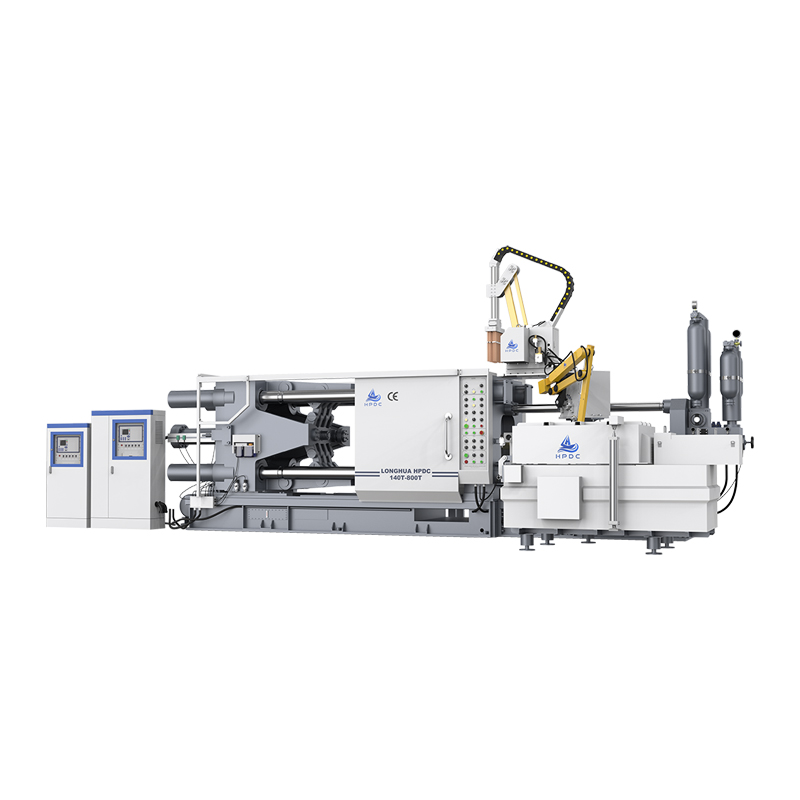
The material you plan to use is one of the most critical factors when choosing a die casting machine. Different materials require different machine types, depending on their melting points, flow characteristics, and chemical properties. For example:
Aluminum and Magnesium: Typically used with cold-chamber die casting machines due to their high melting points.
Zinc and Lead Alloys: Perfect for hot-chamber die casting machines, as these materials melt at lower temperatures and allow for faster production.
Specialty Alloys: Some high-performance alloys require machines that can handle unique operational requirements, such as high pressures or complex cooling systems.
Understanding the properties of your alloy and matching it to the correct machine type will ensure efficient production and high-quality outputs.
The size, complexity, and volume of the parts you intend to manufacture will play a significant role in determining the best die casting machine for your needs. Larger, more complex parts require machines with higher clamping forces and greater shot capacities. Consider the following:
Part Size: For large components, you need a machine with a high locking force to ensure a tight die seal during the casting process.
Complexity: If your parts have intricate designs or require multiple cavities, ensure that the machine offers flexibility and precision.
Production Volume: High-volume production requires machines that can handle quick cycle times and automated features. For low-volume runs, a more versatile machine with adjustable settings may be ideal.
When assessing production requirements, be mindful of your future needs as well. A machine that suits your current production level but has the flexibility to scale can be a wise investment.
When choosing a die casting machine, it's essential to evaluate the machine's specifications to match your production needs. Key metrics to consider include:
Clamping Force: The clamping force determines the ability of the machine to hold the mold in place during the injection process. For larger parts or those with intricate designs, higher clamping forces are necessary.
Shot Capacity: The amount of material injected into the die at each cycle affects both the part's size and the production speed.
Injection Pressure and Speed: Higher injection pressures allow for better material flow and quality, especially for intricate parts with thin walls. Faster injection speeds help improve cycle times for high-volume production.
Automation and Control Systems: Modern die casting machines come equipped with automated systems for mold handling, cooling, and ejection. These features can reduce labor costs and improve efficiency.
Efficiency, cost-effectiveness, and reliability are key factors to weigh when purchasing a die casting machine. Consider the following:
Energy Consumption: Some machines are more energy-efficient than others. Choose a machine that aligns with your production volume while minimizing power consumption.
Maintenance Costs: Machines with fewer moving parts or more straightforward systems generally have lower maintenance costs and reduced downtime.
Machine Reliability: Opt for machines from reputable manufacturers known for producing durable, reliable equipment that requires fewer repairs.
While higher upfront costs may be associated with more advanced machines, the long-term savings in energy and maintenance can make them a more cost-effective choice in the long run.
The die casting industry is evolving, with innovations that may affect your choice of machine. Key trends to keep an eye on include:
Automation and Industry 4.0: The rise of smart manufacturing means that many modern die casting machines come with digital controls, predictive maintenance features, and advanced robotics for improved efficiency.
Sustainability: Machines designed with energy efficiency and material waste reduction in mind are becoming increasingly popular as companies look for greener manufacturing solutions.
Advanced Materials: The development of new, high-performance alloys may require specialized machines capable of handling these materials.
Follow this step-by-step guide to ensure that you choose the right die casting machine for your needs:
Define your product: Consider the material, size, and complexity of the parts you want to produce.
Determine production volume: Assess whether your needs are for high-volume or small batch production.
Evaluate machine specifications: Compare machines based on clamping force, shot volume, injection pressure, and automation features.
Shortlist manufacturers: Consider machine features, cost, and vendor support when narrowing down your options.
Factor in future needs: Ensure that the machine you choose can accommodate future growth and technological advancements.
Choosing the right die casting machine is an important decision that can significantly impact your manufacturing process. By considering factors like material compatibility, part size, production volume, and key machine specifications, you can make an informed choice that aligns with your business goals. Keep in mind future trends and strategic considerations to ensure your machine investment continues to meet your needs as your business evolves.
