
EMAIL:
lh@longhuamachine.com
TELL/whatsapp:
+8619305527239  English English
Views: 0 Author: Site Editor Publish Time: 2026-07-15 Origin: Site


In high-volume die casting, the thermal and metallurgical integrity of the initial melt dictates the profitability of the entire production run. Inefficient melting processes lead to excessive energy consumption, high dross formation, and hydrogen gas porosity. These operational failures directly increase scrap rates and erode margins on the foundry floor. Upgrading or optimizing a melting setup requires a strict evaluation of furnace technologies, energy sources, and metallurgical controls. You cannot simply drop a new heater into an old line and expect better castings. This guide breaks down the applications, equipment variations, and technical criteria necessary for selecting the right melting infrastructure for aluminum die casting. By understanding the core mechanics of the process, plant managers and metallurgical engineers can make informed decisions that improve part quality, reduce operational costs, and streamline production workflows without unnecessary downtime.
The physical and chemical transformation of solid aluminum into a precisely alloyed molten state is the absolute foundation of high-pressure or gravity die casting. Solid inputs like ingots, sows, or scrap must be melted and maintained at specific temperatures to ensure optimal flow and casting characteristics. When you load cold metal into a bath, the thermal shock and subsequent recovery time dictate your cycle efficiency. A successful melt requires strict temperature uniformity, typically between 650°C and 750°C depending on the specific alloy designation. Chemical homogeneity and the absence of dissolved gases are equally important baseline requirements. The melting stage serves as the primary window for critical melt treatments before the metal ever reaches the holding station.
We rely on the primary melting phase to execute several metallurgical corrections. If you miss the window here, you will fight defects all the way through machining. The core treatments include:
Variations in the melting stage compound downstream, affecting die life, shot cycle times, and the mechanical properties of the finished components. Poor melt quality leads to increased porosity, reduced tensile strength, and higher rejection rates at the pressure testing station. You need a robust Al Alloy Melting protocol to stabilize the entire foundry floor.
| Melt Treatment | Primary Purpose | Typical Application Method | Impact on Casting |
|---|---|---|---|
| Degassing | Remove dissolved hydrogen | Rotary impeller with Argon/Nitrogen | Reduces gas porosity and blistering |
| Fluxing | Separate oxides from molten metal | Manual or automated powder injection | Lowers hard spot inclusions in machining |
| Grain Refinement | Control solidification structure | TiB rod feeding | Improves tear resistance and yield strength |
High-Pressure Die Casting (HPDC) requires high-volume, continuous molten metal supply and rapid recovery rates. The melting system must keep pace with fast cycle times while maintaining consistent temperature and alloy composition. When a 1000-ton machine is pulling metal every 45 seconds, your melt rate cannot be the bottleneck. Structural automotive components demand stringent metallurgical requirements. Alloys like A356 or A380 used in crash-relevant parts must be free of porosity. Aerospace and precision manufacturing rely on advanced melting techniques to achieve tight chemical tolerances that standard commercial foundries rarely encounter.
Managing alloy-specific considerations dictates how you run the furnace. Different alloys behave differently under heat and atmospheric exposure. Consider the following operational adjustments based on alloy type:
In-house scrap recycling creates closed-loop production cycles. Remelting gating systems, biscuits, and flash reduces raw material procurement costs and improves overall operational efficiency. However, scrap must be clean and dry. Charging oily or wet scrap introduces massive amounts of hydrogen and risks steam explosions in the bath.
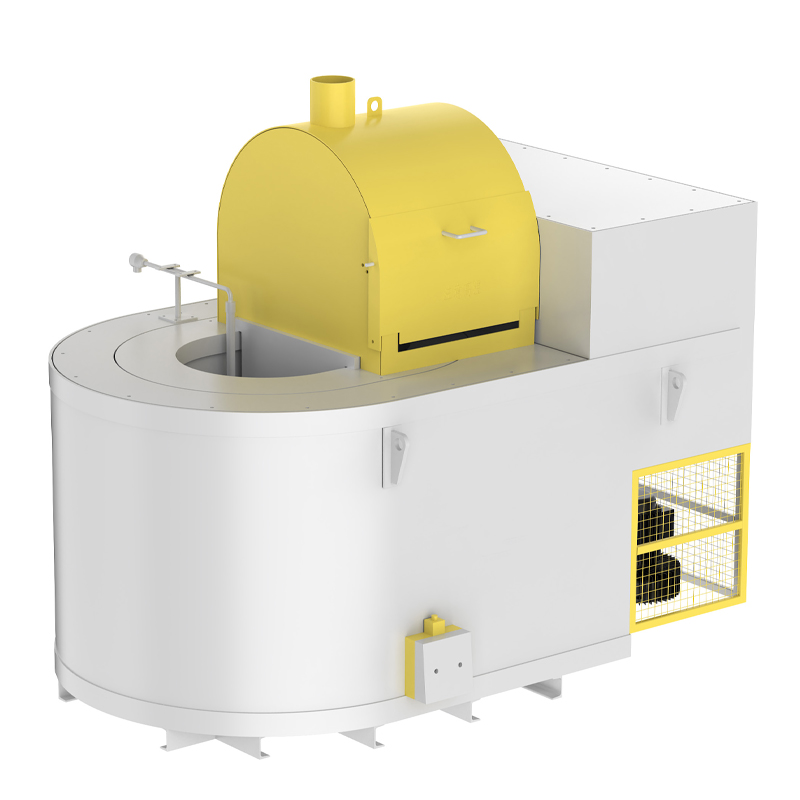
Selecting the right aluminum alloy melting furnace depends on production volume, energy availability, and specific metallurgical requirements. You have to match the equipment to the floor layout and the shift schedule.
These furnaces use radiant heat transfer from the roof and walls to the metal bath. They are best for high-capacity, continuous aluminum ingot melting and large-scale foundry operations. While they offer high throughput, they historically have lower energy efficiency and require advanced refractory maintenance. The large surface area of the bath makes them prone to higher oxidation rates if the atmosphere is not tightly controlled. Burner tuning is critical here to maintain a slightly reducing atmosphere and minimize dross generation.
Shaft furnaces utilize hot exhaust gases from the lower burner chamber to preheat and melt incoming ingots and scrap loaded at the top of the vertical shaft. They are ideal for high-volume, high-efficiency operations seeking the lowest possible energy consumption per ton. The trade-off is a high vertical footprint and the need for consistent charging material sizing to prevent bridging in the stack. If a large sow gets wedged in the shaft, you lose hours of production clearing the jam.
Crucible furnaces provide indirect heating through a refractory or silicon carbide crucible. They are suitable for smaller batch melting, frequent alloy changeovers, and operations prioritizing high melt quality with low turbulence. Because the flame or heating element never touches the metal, gas pickup is minimal. However, they have lower maximum capacity, and crucibles are consumable items requiring regular replacement. A cracked crucible full of molten metal is a severe safety hazard, demanding strict inspection protocols.
These furnaces use electromagnetic induction to generate internal heat within the metal. They offer rapid melting, excellent chemical homogeneity due to natural electromagnetic stirring, and minimal dross formation. The main drawbacks are high initial capital expenditure and the requirement for clean charge material to prevent slag buildup on the induction coils. Coreless induction systems are excellent for rapid alloy changes, but channel induction furnaces are better suited for holding large volumes over long periods.
Evaluating the specific energy consumption of different furnace types is essential for long-term viability. Compare standard reverberatory furnaces against regenerative-burner shaft furnaces. Assess the impact of regenerative burners, recuperators, and advanced insulation on operating costs. A furnace that looks cheap on the purchase order will bleed your maintenance budget dry if the refractory insulation degrades within the first year.
Analyze how different systems manage atmospheric exposure to prevent aluminum oxidation and hydrogen pickup. Evaluate integrated degassing, ceramic foam filtration, and fluxing capabilities within the melting architecture. You need to calculate required melt rates based on die casting machine shot weights, cycle times, and utilization rates. Assess the physical footprint and scalability of the die casting furnace for future production line expansions.
| Furnace Type | Energy Efficiency | Melt Quality | Maintenance Intensity |
|---|---|---|---|
| Reverberatory | Moderate | Good (with fluxing) | High (Refractory patching) |
| Shaft/Tower | Excellent | Very Good | Moderate (Burner tuning) |
| Crucible | Low to Moderate | Excellent | High (Crucible replacement) |
| Induction | High (Electric) | Superior | High (Coil and lining care) |
Evaluate the logistical impact of heated closed gravity launder systems versus overhead crane or forklift transfer ladles. Understand how automated launder systems reduce temperature loss, oxidation, and turbulence during transfer to holding stations. Every time you pour molten aluminum through the air, you generate oxides. Minimizing transfer steps directly improves the cleanliness of the metal entering the shot sleeve. Review emissions standards and how furnace selection impacts regulatory compliance and facility permitting.
Excessive turbulence during charging or melting can lead to high melt loss, sometimes up to 5-8% in poorly managed systems. Implement automated charging systems, submerged melting zones, strict temperature controls, and proper fluxing protocols to keep metal loss below 1.5%. When operators throw scrap into the bath manually, the splashing creates massive surface area exposure, instantly forming aluminum oxide.
Iron, manganese, and chromium can settle out at lower holding temperatures to form heavy, abrasive intermetallic compounds known as sludge at the bottom of the bath. Maintain accurate sludge factor calculations and ensure melt holding temperatures stay above the critical precipitation threshold. Once sludge forms, it cannot be remelted at standard operating temperatures. It must be physically dredged from the furnace, which is labor-intensive and damages the refractory lining.
Corundum growth and thermal shock can destroy furnace linings, leading to catastrophic failure or costly downtime. Specify non-wetting refractory materials containing barium or boron compounds, and establish predictive maintenance schedules based on thermal imaging. Bottlenecks between the primary melting furnace and the holding furnaces at the die casting cells can disrupt production. Map out molten metal transfer logistics before finalizing the furnace location and tap-out height when integrating new aluminum casting equipment.
Compare the low upfront cost of standard gas-fired reverberatory furnaces against the higher initial cost but lower long-term energy and metal loss costs of shaft/tower or electric induction systems. Capital expenditure is only one piece of the puzzle. Operating expenditure, driven by natural gas or electricity rates, will dominate the financial metrics over a ten-year lifespan.
Weigh the return on investment of investing in automated ingot loaders and dross skimming robots against the labor costs and safety risks of manual operations. Manual skimming is hot, dangerous work that leads to inconsistent dross removal. Automated systems ensure the bath is cleaned at exact intervals, reducing the chance of oxide inclusions making their way into the transfer ladle.
Evaluate the long-term financial impact by factoring in energy prices, consumable replacements like crucibles and refractories, maintenance labor, and scrap reduction over the equipment's lifespan. A highly efficient burner system might require specialized technicians for tuning, which adds to the maintenance budget but saves thousands in fuel costs. The optimal system balances these factors based on your specific regional utility costs and available labor pool.
The optimal melting system is not universally defined by the highest technology, but by the specific throughput, alloy requirements, and energy infrastructure of the individual foundry. Procurement teams should prioritize vendors who offer verifiable data on specific energy consumption, metal loss percentages, and local technical support.
Next steps for optimizing a metal melting system:
A: In a well-managed melting system, acceptable metal loss should be kept below 1.5%. Poorly managed systems with excessive turbulence, poor burner tuning, or inadequate temperature control can experience melt losses of 5% to 8%, severely impacting profitability.
A: Furnaces that minimize atmospheric exposure and turbulence reduce hydrogen absorption. Systems with integrated degassing capabilities or indirect heating methods further remove dissolved hydrogen, directly decreasing gas porosity defects in the final castings.
A: A melting furnace is designed with high heat input to rapidly convert solid aluminum into a molten state. A holding furnace has lower heat input and maintains the molten metal at a precise casting temperature near the machine, minimizing temperature fluctuations.
A: Sludge consists of heavy intermetallic compounds formed by iron, manganese, and chromium settling at lower temperatures. It is prevented by maintaining holding temperatures above the critical precipitation threshold and strictly monitoring the alloy's chemical sludge factor.
A: A shaft furnace uses exhaust gases to preheat incoming material in the vertical stack, significantly improving thermal efficiency. This lowers energy consumption per ton compared to standard reverberatory furnaces, which rely solely on radiant heat over a flat bath.
