
EMAIL:
lh@longhuamachine.com
TELL/whatsapp:
+8619305527239  English English
Views: 0 Author: Site Editor Publish Time: 2025-09-16 Origin: Site


The aluminum die casting process uses a die casting aluminum machine. This machine pushes hot, melted metal into special molds. These molds help make strong and detailed parts for many industries. You can find this process in cars and electronics. Aluminum is popular because it moves heat well, saves money, and can be used in many ways:
High thermal conductivity helps parts stay cool and safe.
Lower costs come from efficient die casting manufacturing and easy recycling.
Lightweight, durable, and corrosion-resistant, aluminum serves automotive, aerospace, and more.
The global aluminum die casting market is growing quickly. It may reach $85.49 billion in 2025 with a CAGR of 5.60%.
Year | Market Size (USD) | CAGR (%) |
|---|---|---|
2025 | 85.49 billion | 5.60 |
Aluminum die casting works fast and saves money. It is good for making many exact parts. The process has steps like getting ready, injecting, cooling, pushing out, and trimming. These steps help make good parts. You pick the right die casting method. You can use hot or cold chamber. The choice depends on the material and what you need to make. This helps the parts work well. Aluminum is light and does not rust easily. This makes it useful in many fields. It is used in cars and planes. Machines and new tools help die casting get better. They make it faster and cut down on waste.
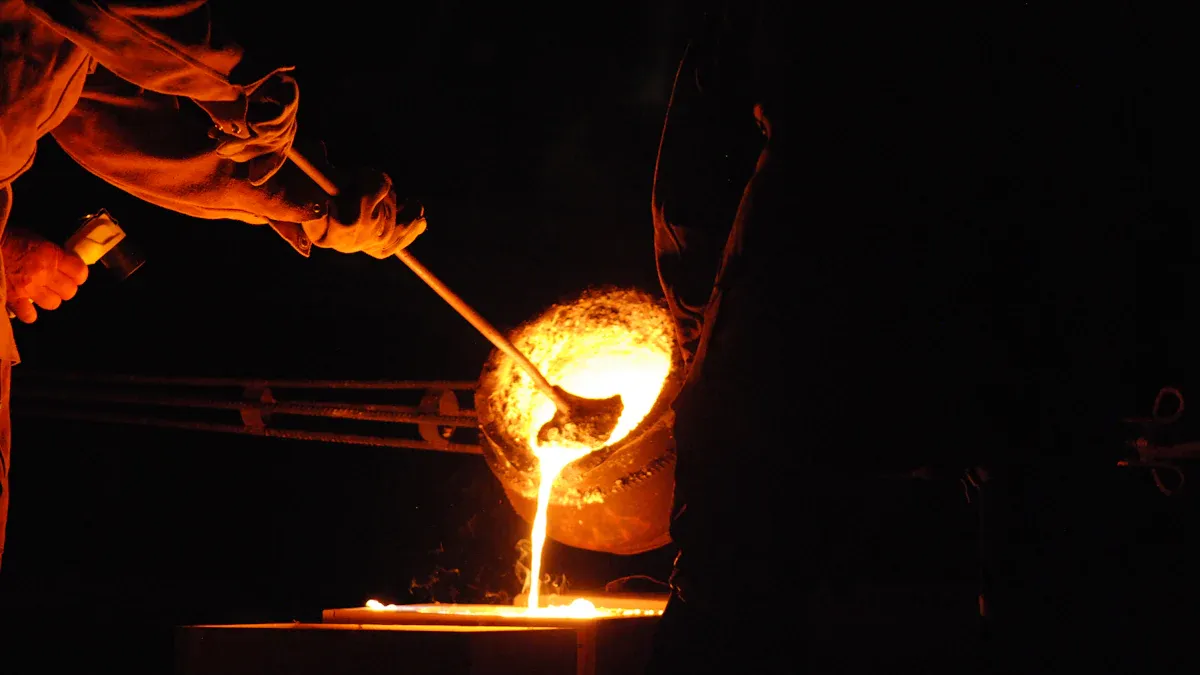
You can learn about the aluminum die casting process by looking at each step. This overview shows how a die casting aluminum machine works from beginning to end. The process uses strong pressure to push melted aluminum into a steel mold. This makes strong and detailed parts very fast.
Here is a table that lists each step in the aluminum die casting process:
Step | Description |
|---|---|
Preparation | Clean the die faces and put on lubrication, then close and clamp the die halves. |
Injection | Pour molten metal into the injection chamber and push it into the die using high pressure. |
Cooling | Let the molten metal get solid before opening the die, with cooling time depending on part shape. |
Ejection | Open the die and use a tool to remove the solid casting. |
Trimming | Cut off extra material from the casting to leave the main product, using different trimming methods. |
First, you get the die ready. The die casting aluminum machine cleans and puts oil on the mold. Then, the machine pushes melted aluminum into the mold with strong pressure. The metal cools and gets hard very quickly. After it cools, the machine opens the mold and pushes out the finished part. You cut away any extra metal. This overview shows how the die casting process makes parts fast and with great detail.
During the aluminum die casting process, you use very hot temperatures and strong pressure. The furnace heats the aluminum to between 425°F and 600°F. The die casting aluminum machine pushes the metal at pressures from 100 to 1000 bar. These conditions help you make parts with exact sizes and smooth surfaces.
The die casting aluminum machine is the most important part of the aluminum die casting process. You need this machine to shape melted aluminum into exact parts. The machine uses smart control systems to manage pressure, speed, and temperature. These features help you get good results every time.
There are two main types of machines you can use:
High Pressure Die Casting: This is the most common type. It helps you make hard and detailed parts quickly. You often see this machine used in cars and airplanes.
Vacuum Die Casting: This machine is becoming more popular. It helps you make parts with fewer mistakes. You use it when you need very good parts, like in airplanes or cars.
The details of your die casting aluminum machine are very important. Locking force keeps the mold closed during injection. Injection speed controls how fast the metal goes into the mold. Smart control systems let you watch and change the process as it happens. These features help you make fewer mistakes and work faster.
Modern machines also use computer programs to help. You can plan the whole casting process before you start making parts. This lets you change cooling times, mold materials, and pouring temperatures. You save time and money by making fewer mistakes. Computer programs help you make better parts faster.
New mold technology is also important. New 3D-printed molds help control heat better and are stronger. These molds cool more evenly and last longer. You get smoother parts and fewer mistakes in your finished products.
Quality control is very important in every aluminum die casting process. You use real-time checks, automatic cameras, and X-ray tests. These steps help you find problems early and make sure every part is good.
You can pick between hot chamber and cold chamber ways for the aluminum die casting process. Each way has its own good points.
Hot Chamber Die Casting: The die casting aluminum machine melts the metal inside its own furnace. This way works best for metals that melt at lower temperatures. The process is fast, with up to 900 cycles every hour. You often use this way for small parts in electronics or home goods.
Cold Chamber Die Casting: Here, you melt the aluminum in a different furnace. You then move the melted metal to the die casting aluminum machine for injection. This way is good for metals that need higher heat, like aluminum. The process is slower, with 50 to 90 cycles every hour, but it is best for cars, airplanes, and big machines.
Here is a table to help you compare the two ways:
Feature | Hot Chamber Die Casting | Cold Chamber Die Casting |
|---|---|---|
Melting Process | Metal is melted in the machine's own furnace | Metal is melted in a different furnace |
Production Speed | 400 to 900 times every hour | 50 to 90 times every hour |
Suitable Metals | Metals with lower melting points | Metals with higher melting points |
Injection Method | Directly from the furnace | Moved from a different furnace |
Risk of Damage | Lower risk as it uses lower melting point metals | Higher risk as it uses higher melting point metals |
You should pick the way that fits your needs. If you work with aluminum, the cold chamber die casting aluminum machine is usually the best choice. If you use metals like zinc, the hot chamber way works better.
Tip: Always match your die casting aluminum machine and way to your material and production needs. This helps you get the best quality and speed from your aluminum die casting process.
The die casting aluminum machine makes parts very exact. Precision molds help each part fit well. You can trust the size every time. High-pressure injection stops problems like shrinking or bending. This gives you smooth parts with few mistakes. You do not need much extra work after casting. This saves you time and effort.
Aluminum die casting lets you pick many surface finishes. You can choose what looks best or protects the part. Here is a table that shows finishes and how people use them:
Surface Finish Type | Description | Applications |
|---|---|---|
Anodizing | Adds a layer that stops rust and makes it harder and better looking | Electronics, medical devices |
Powder Coating | Covers parts with a strong layer for more protection | Automotive, outdoor products |
Polishing | Makes surfaces shiny and smooth | Accessories, display hardware |
Electroplating | Adds a thin metal layer for better electricity and rust protection | Decorative, electrical parts |
Sand Blasting/Shot Blasting | Cleans and roughens surfaces | Industrial uses |
Chromate Conversion Coating | Stops rust and keeps electricity working | Aerospace, electronics |
Clear Coating | Protects surfaces but does not change how they look | Luxury, branding |
You can make aluminum parts with cool shapes and textures. This is a big reason why die casting aluminum is so useful.
You can make lots of die casting parts fast. The die casting aluminum machine works quicker than other ways like sand casting. Every cycle gives you good results. High-pressure die casting is best for making many parts. You can make thousands or millions in less time. This speed helps you finish work on time and meet demand.
Aluminum die casting is good for the planet too. You can recycle aluminum easily. This saves energy and cuts down on trash. Recycling aluminum uses only a little energy compared to making new aluminum. You help nature by lowering pollution and saving resources.
You save money with aluminum die casting when you make lots of parts. The process is cheap for big jobs. Here are some reasons why:
Die casting works well for making many parts.
Starting costs are high, but each part gets cheaper as you make more.
You save on materials and workers because it is fast and steady.
You keep quality high, so you waste less and fix fewer mistakes.
Worker costs for each part are lower than other ways.
Aluminum can be recycled, so you use scrap again and spend less. Most aluminum ever made is still being used today. This makes aluminum die casting smart for your wallet and the earth.
Tip: If you want parts that are exact, quick, and cheap, die casting aluminum is a great choice for many businesses.
When you pick aluminum die casting materials, you look at common alloys. These alloys help you get strong and tough parts. They also make casting easier. Here are some common alloys you might use:
A380: This alloy is strong and resists rust. It moves heat well. It flows easily, so it works for car and electronics parts.
A360: This alloy fights rust and is easy to shape. You see it in instrument cases and water parts.
383: This alloy resists rust and hot cracks. Many engine brackets and home appliances use it.
A413: This alloy is great at fighting rust. It is used for motor pistons and dental tools.
B390: This alloy has fair rust resistance and good hot crack resistance. Pistons and cylinder heads use it.
These alloys help you match the right properties to your project.
You must choose the best alloy for your die casting job. Your choice changes how strong and tough your part is. It also affects rust resistance and heat stability. For example, A380 is strong and flows well. A360 fights rust better. The mix of metals changes how your part works. Copper and magnesium can make your part harder. You should also think about how pressure and heat in the process change your part. Heat treatment can make aluminum even stronger.
Tip: Always pick the alloy that fits your product’s needs. This helps you get the best results.
You want your aluminum die casting materials to have the right mechanical properties. In cars and planes, you need parts that are strong and last long. The table below shows what matters most:
Mechanical Property | Why It Matters |
|---|---|
High Tensile Strength | Parts can handle stress without breaking. |
Good Fatigue Resistance | Parts last longer with repeated use. |
Excellent Impact Toughness | Parts stay strong after sudden hits. |
Corrosion Resistance | Parts work longer in tough places. |
When you use good aluminum and the right alloys, your parts fit many jobs. This makes aluminum die casting materials a smart choice for many industries.
When you compare the die casting aluminum machine to sand casting, you see big differences in speed and quality. The die casting aluminum machine works much faster. You can make many parts in a short time. Sand casting takes longer for each part.
Die casting aluminum machine gives you high production speed and handles large volumes.
You get parts with smooth surfaces and few imperfections.
The die casting aluminum machine makes parts with high dimensional accuracy. You do not need much extra finishing.
Sand casting often needs more work after casting to get a good finish.
If you want fast results and smooth, detailed parts, the die casting aluminum machine is the better choice. Sand casting works best for simple shapes or small batches.
You may wonder how the die casting aluminum machine compares to investment casting. Investment casting is good for small runs where you need very precise and smooth parts.
Investment casting fits low-volume jobs that need top precision and finish.
The die casting aluminum machine is better for high-volume jobs where speed and cost matter most.
Investment casting takes more labor, so it costs more.
The die casting aluminum machine saves money on big orders because it uses special tools and needs less extra work.
Investment casting handles complex shapes well and can waste less material for small batches.
The die casting aluminum machine is best for making many parts, but you may see more material waste from trimming.
If you need a lot of parts quickly and want to save money, use the die casting aluminum machine. For very detailed, small-batch parts, investment casting may work better.
You should think about several things before you pick a casting method.
Look at your project size and how many parts you need.
Think about how exact and smooth your parts must be.
Check your budget and how much you can spend.
Pick the right material for your part.
Decide how fast you need your parts.
Think about strength, surface finish, and if you need prototypes or short runs.
Tip: The die casting aluminum machine is perfect for high-volume, precise, and cost-effective parts. For special shapes or small batches, sand casting or investment casting may fit your needs better.
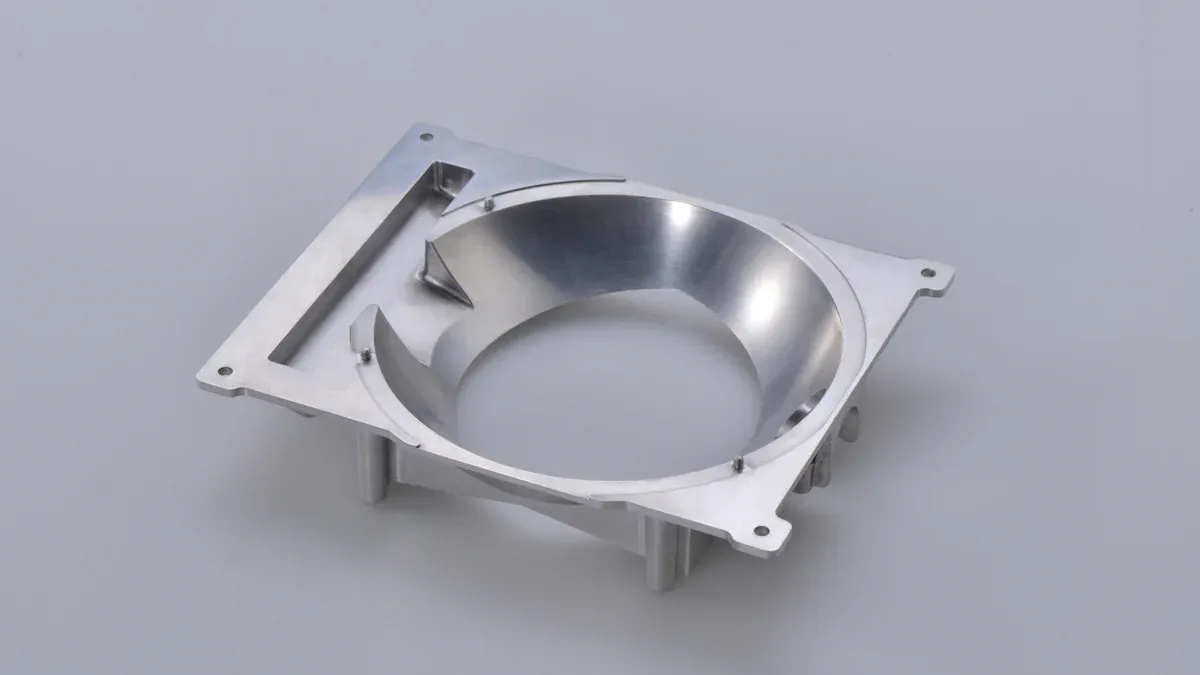
Die cast aluminum is used in many industries. Car companies use die casting aluminum machines to make handles and hardware. They also make motor housings and enclosures. These parts need to be strong and last a long time. Engine blocks and transmission housings are made this way too. Structural parts for cars and trucks use die cast aluminum. The material is light and strong. This helps cars work better and keeps people safe.
Here are some ways people use die cast aluminum in 2025:
Handles and hardware for cars
Motor housings and enclosures
Engine blocks and transmission cases
Structural parts for vehicles
More companies use die cast aluminum every year. They like how fast the process is. It also makes complex shapes easily.
When you plan a project, you must think about design for die cast parts. Good mold design helps you avoid problems with parting lines. Use more than one injection point for tricky shapes. Keep wall thickness the same for stronger parts and better looks.
Here is a table that compares design for die cast parts and other metal forming:
Aspect | Aluminum Die Casting | Other Metal Forming Processes |
|---|---|---|
Mold Design | Careful design for parting lines | Simpler designs |
Injection Point | Multiple points for complex shapes | Gravity poured |
Wall Thickness | Consistent thickness preferred | Less control over thickness |
Precision & Finish | Tighter tolerances, better finish | Lower precision and finish quality |
Always check your design before you start making parts. This saves time and cuts down on waste.
Tip: Use computer tools and automation to make better molds. You can waste less material and get better parts.
New trends are changing how people use die cast aluminum. High-pressure die-casting, like vacuum-assisted and semi-solid casting, makes parts stronger and with fewer mistakes. More recycled and low-carbon aluminum is used to help the environment. Electric cars need more light aluminum parts.
Automation is changing die casting aluminum machines. AI tools help you design better molds. Robots help move parts and make fewer mistakes. IoT lets you watch the process in real time and fix problems early. Automation also helps lower waste and pollution.
Here is a table with important trends in 2025:
Trend | Description |
|---|---|
High-Pressure Die-Casting Tech | Vacuum-assisted and semi-solid casting improve part strength and quality |
Sustainability in Materials | More recycled and low-carbon aluminum used |
Electric Vehicle Production | Demand for lightweight aluminum parts rises |
Automation and AI | Faster prototyping, optimized molds, and real-time monitoring |
You may face problems like high costs and tough competition. You also need skilled workers. Supply chain issues and caring for the environment matter too. You must keep learning about new trends and design tips to do well in 2025.
You can understand why manufacturers pick the die casting aluminum machine in 2025. This process makes parts quickly and with great accuracy. The parts are strong but not heavy. You save money because there is less extra work. You also waste fewer materials.
You get better heat control and can design many shapes.
The die casting aluminum machine makes tough parts that look nice.
You save money when making lots of parts and recycling is simple.
If you want exact, fast, and good-value parts, think about using the die casting aluminum machine for your next project.
A die casting aluminum machine makes parts faster and lighter. Zinc machines are best for small, detailed pieces. Aluminum machines can make bigger parts. They also control heat better.
You should not use a hot chamber machine for aluminum. Aluminum melts at a higher temperature. Cold chamber machines work better for aluminum. Hot chamber machines are good for metals like zinc.
Aerospace needs strong and light parts. Die casting aluminum machines make exact shapes with smooth surfaces. Aluminum does not rust easily and can handle stress. This is why it is great for aerospace parts.
A hot chamber machine melts metal inside itself. You use it for zinc and other metals that melt easily. Cold chamber machines melt aluminum outside the machine. Then they inject it into the mold. This works better for aluminum.
You might see holes, cracks, or rough spots. You need to watch temperature and pressure closely. Using smart sensors and checks helps you find mistakes. This makes your parts better.
