
EMAIL:
lh@longhuamachine.com
TELL/whatsapp:
+8619305527239  English English
Views: 0 Author: Site Editor Publish Time: 2025-09-24 Origin: Site


Imagine you face unexpected downtime because your cold chamber die casting machine stops working. You lose valuable production hours, and costs rise fast. When you practice daily cleaning and maintenance, you help prevent breakdowns and keep your machine running efficiently.
Regular cleaning and lubrication reduce downtime.
Maintenance lets you meet deadlines and exceed customer expectations.
Small issues get fixed early, saving money and energy.
You notice warning signs early and take action to protect your investment.
Daily cleaning and lubrication are essential. They help prevent breakdowns and keep your machine running efficiently.
Regular maintenance allows you to catch small issues early. This saves money and extends the life of your equipment.
Watch for warning signs like oil leaks and unusual noises. Early detection can prevent costly repairs and downtime.
Follow a strict maintenance schedule. Consistent routines help you avoid unexpected breakdowns and keep production flowing smoothly.
Use genuine parts for replacements. This ensures reliability and maintains the performance of your cold chamber die casting machine.
You rely on your cold chamber die casting machine to deliver consistent, high-quality parts. Regular maintenance helps you avoid unexpected breakdowns and keeps your production line moving. When you follow a routine, you catch small problems before they turn into big ones.
Here are some of the most common tasks you should perform to keep your machine in top shape:
Clean up daily: Remove alloy chips and oil stains from the machine.
Check for oil leaks weekly: Inspect the oil tank, hydraulic pump, and other components for leaks.
Semi-annual inspection: Tighten loose screws and joints in the hydraulic system.
Tip: A clean machine is less likely to develop faults. Make cleaning part of your daily routine.
Routine maintenance gives you several important benefits. You improve efficiency, reduce downtime, and extend the life of your equipment. The table below shows how different methods help your machine run better:
Maintenance Method | Impact on Efficiency |
|---|---|
Regular maintenance of molds | Prevents damage and reduces wear and tear, ensuring consistent production quality. |
Stress relief tempering | Prolongs the life of the die, reducing the risk of cracks and maintaining reliability. |
You also avoid problems that can hurt your production. For example:
Inconsistent injection can lower casting quality and increase scrap rates.
Hydraulic oil leaks and slow response times signal aging parts that need attention.
Grinding or excessive vibration may mean mechanical wear.
Poor temperature control affects the quality of your finished parts.
Longer cycle times often point to hidden issues.
By staying alert to these signs and sticking to your maintenance plan, you protect your cold chamber die casting machine and keep your operation running smoothly.
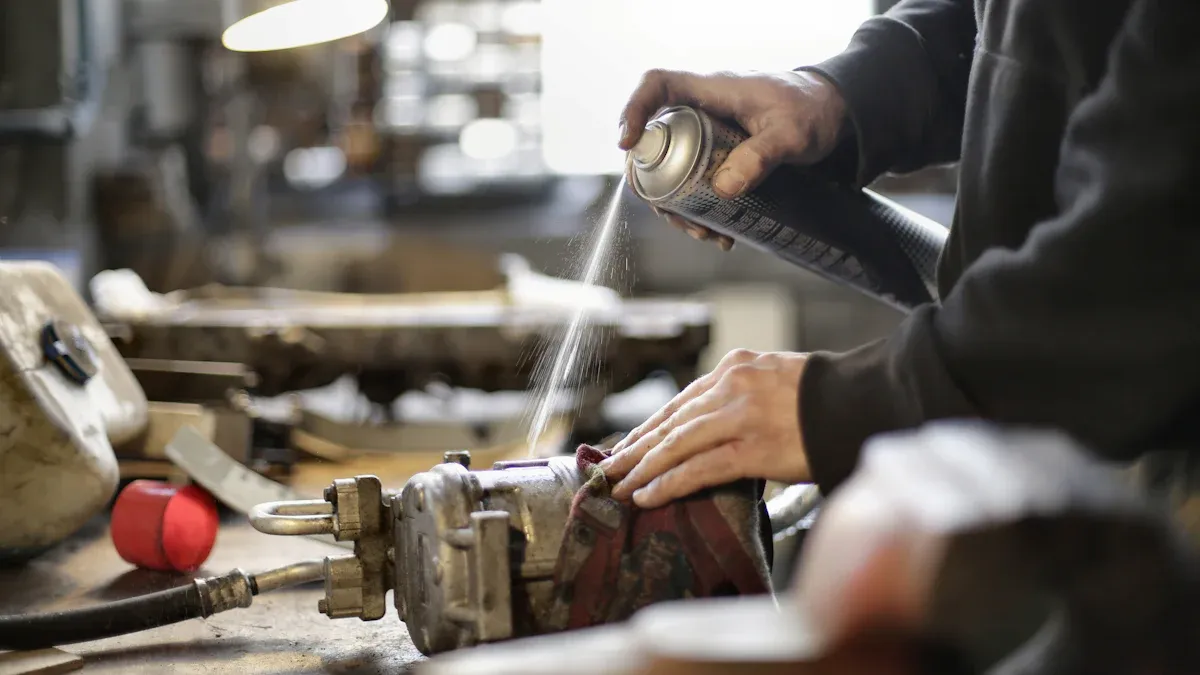
You keep your cold chamber die casting machine running smoothly when you follow a strict cleaning routine every day. Cleaning and maintenance start with removing alloy chips and oil stains before you leave work. You prevent buildup that can cause mechanical problems or reduce casting quality.
You also need to check the cooling water system of the punch. Make sure there is no water leakage in the cooling system. Monitor the temperature of the cooling water pipe for the injection cylinder. Overheating can damage your machine and lead to costly repairs.
Here is a simple checklist you can follow:
Remove all alloy chips from the working area.
Wipe away oil stains from surfaces and moving parts.
Inspect the cooling water system for leaks.
Check the temperature of the cooling water pipe.
Clean the die surfaces to prevent sticking and defects.
Tip: Consistent cleaning and maintenance help you avoid unexpected downtime and keep your cold chamber die casting machine in top condition. You protect your investment and improve the quality of your castings.
Lubricating your cold chamber die casting machine is just as important as cleaning. You reduce wear and tear on moving parts when you use the right lubricants. Die lubricants prevent sticking during the casting process. Shot tip lubricants keep the casting piston and sleeve system working smoothly.
You can apply lubricants by spraying oil or using wax-based pellets. Each method suits different operating conditions. Regular lubrication of parts like the plunger and injection cylinder ensures smooth operation. You should always use the correct type of grease and follow the manufacturer's recommended lubrication cycle.
Neglecting lubrication can cause premature damage to your cold chamber die casting machine. You may need to replace expensive components sooner than expected.
Here are some best practices for lubricating your machine:
Use die lubricants to prevent sticking and improve casting quality.
Apply shot tip lubricants to the piston and sleeve system.
Choose the right application method for your machine.
Lubricate moving parts according to the manufacturer's schedule.
Replace worn parts promptly to maintain efficiency.
Note: Cleaning and maintenance, including regular lubrication, extend the lifespan of your cold chamber die casting machine. You keep your zinc alloy die casting machine and aluminum die cast machine working efficiently. You also build trust with your die casting machine supplier by showing you care for your equipment. High pressure die casting machine owners benefit from these routines as well.
You need to recognize early warning signs to keep your cold chamber die casting machine in top condition. Spotting these issues helps you avoid major breakdowns and costly downtime. Here are the most common warning signs you should watch for:
Hydraulic oil leaks often signal aging seals or worn valves in your cold chamber die casting machine. You might notice oil stains under the machine or drops in hydraulic pressure. If you use a zinc alloy die casting machine or an aluminum die cast machine, leaks can lead to poor injection performance and even damage the hydraulic system.
Tip: Check hoses, connections, and seals daily. Address leaks right away to prevent further wear.
When your cold chamber die casting machine starts to perform inconsistently, you risk producing defective parts. You may see changes in injection speed, weak injection, or even alarms during operation. These problems can affect both high pressure die casting machines and zinc alloy die casting machines.
Common causes and inspection steps include:
Cause of Inconsistent Performance | Inspection Steps |
|---|---|
No injection action | Check manual/automatic knob, inspect mold-locking sensors, verify injection termination switch, ensure electrical signals, assess injection time and speed, check for cylinder damage, confirm hydraulic pressure. |
No two-speed injection motion | Verify two-speed sensor switch, check injection time settings, ensure first speed operation. |
Injection is weak | Confirm two-speed signal, check speed adjustments and nitrogen pressure, assess injection pressure. |
Pressure injection | Inspect for leaks, ensure shut-off valve is secure, check nitrogen pressure. |
Furnace temperature control issues | Inspect probe circuit, check thermometer. |
Alarms during operation | Identify fault display and address issues. |
You should monitor for temperature fluctuations and longer cycle times. These signs often point to hidden issues in your cold chamber die casting machine.
Unusual noises, such as grinding or knocking, often mean mechanical wear or loose parts. If your aluminum die cast machine or high pressure die casting machine makes new or louder sounds, stop and inspect it.
Alert: Never ignore strange noises. They can signal serious problems that may damage your machine.
Slow response times in your cold chamber die casting machine usually indicate worn valves, aging seals, or hydraulic system problems. You may notice the machine takes longer to complete cycles or respond to commands. This issue affects production speed and can increase defect rates.
You should check for pressure drops and monitor cycle times. If you see delays, inspect the hydraulic system and replace worn parts as needed.
Note: Fast action keeps your cold chamber die casting machine, zinc alloy die casting machine, and aluminum die cast machine running efficiently. Regular checks help you avoid costly repairs and keep your die casting machine supplier satisfied with your maintenance practices.
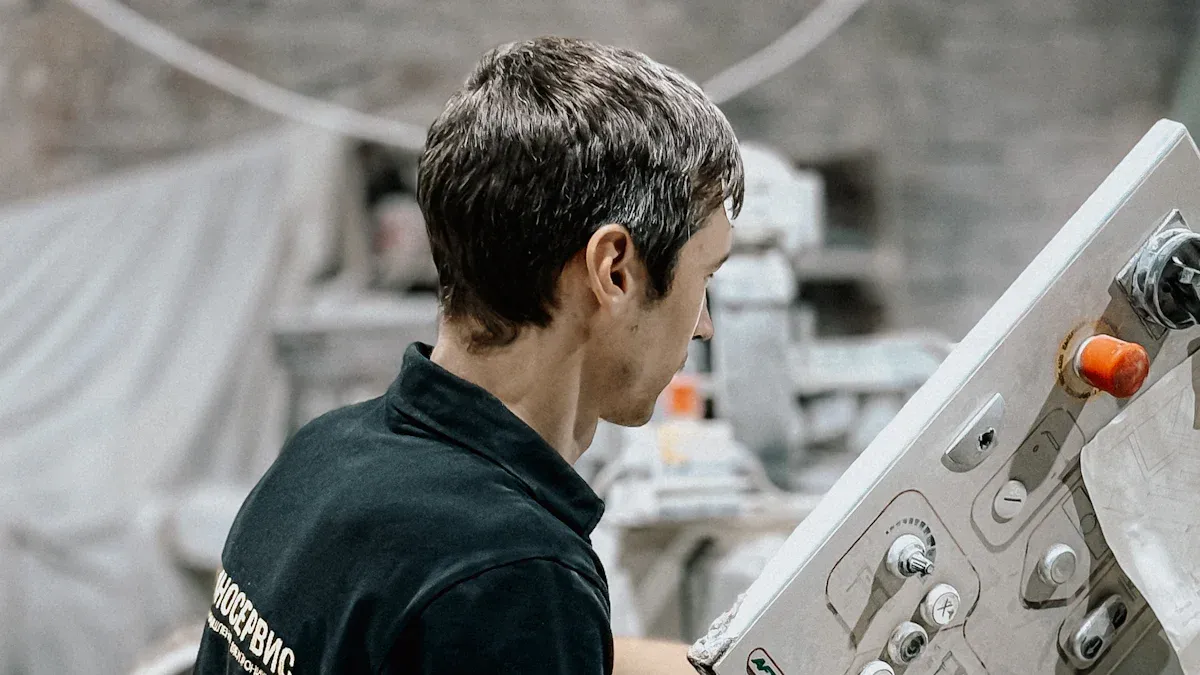
You should start every shift with a careful visual inspection of your cold chamber die casting machine. Look for loose bolts, worn hoses, and any signs of oil or coolant leaks. Examine the surfaces of your zinc alloy die casting machine and aluminum die cast machine for cracks or unusual wear. Check the die area for buildup or residue that could affect casting quality.
Tip: Use a flashlight to spot hidden debris or damage in hard-to-see areas.
If you notice any changes, such as discoloration or deformation, report them to your maintenance team or your die casting machine supplier. Early detection helps you avoid bigger problems and keeps your high pressure die casting machine running at peak performance.
Modern cold chamber die casting machines use advanced monitoring systems to track performance. These systems help you maintain stable production and reduce casting defects. You can use temperature sensors, pressure gauges, and digital displays to monitor key parameters.
The table below shows some important features you should look for in your monitoring system:
Feature | Description |
|---|---|
Advanced Temperature Monitoring | Integrated directly into the machine for accurate temperature tracking and recording. |
Reduces Mold Defects | Helps minimize casting defects and improves product quality. |
Statistical Variation Analysis | Provides insights into the casting process for optimization and better temperature control. |
You should review these readings often. If you see sudden changes, adjust your process or call your die casting machine supplier for advice. Monitoring systems help you keep your zinc alloy die casting machine and aluminum die cast machine in top condition.
Electrical checks are vital for safe and reliable operation of your cold chamber die casting machine. Inspect all wiring and connectors for signs of wear, corrosion, or loose connections. Test emergency stop buttons and safety interlocks on your high pressure die casting machine.
Alert: Never ignore flickering lights or tripped breakers. These signs may point to electrical faults that can damage your equipment.
You should schedule regular inspections of control panels and replace damaged parts right away. If you find issues, contact your die casting machine supplier for support. Proper care of electrical components ensures your cold chamber die casting machine, zinc alloy die casting machine, and aluminum die cast machine work safely and efficiently.
You keep your cold chamber die casting machine running at peak performance when you follow a strong preventive maintenance plan. This approach helps you avoid costly downtime and ensures your zinc alloy die casting machine, aluminum die cast machine, and high pressure die casting machine deliver reliable results every day. You also build trust with your die casting machine supplier by showing you care for your equipment.
You need to set up scheduled routines for your cold chamber die casting machine. These routines help you catch problems early and prevent major failures. When you stick to a regular schedule, you lower the risk of unexpected breakdowns and keep your production line moving.
Operators who follow company procedures and maintenance steps avoid greater accidents. You should observe and judge the location of any failure to find the best maintenance or repair method.
Here is a sample weekly maintenance checklist:
Inspect hydraulic systems for leaks or pressure drops.
Check the cooling water system for proper flow and temperature.
Clean die surfaces and remove any buildup.
Test safety interlocks and emergency stops.
Review monitoring system readings for unusual changes.
Tip: Consistent routines help you spot issues before they become serious. You protect your cold chamber die casting machine and keep your zinc alloy die casting machine and aluminum die cast machine in top condition.
Timely part replacement plays a key role in the reliability of your cold chamber die casting machine. You need dependable parts support to keep operations smooth and extend the lifespan of your equipment.
Access to authentic replacement parts improves your experience and reduces the risk of breakdowns. Routine maintenance or repair and timely repairs help you avoid costly failures. Addressing minor issues before they grow keeps your high pressure die casting machine and aluminum die cast machine working efficiently.
Here are some best practices for part replacement:
Replace worn seals, valves, and hoses as soon as you notice wear.
Use genuine parts from your die casting machine supplier.
Calibrate equipment after installing new components.
Keep spare parts on hand for quick repairs.
Part to Replace | When to Replace | Why It Matters |
|---|---|---|
Hydraulic seals | Signs of leakage | Prevents oil loss and pressure drop |
Injection cylinder | Reduced performance | Maintains casting quality |
Electrical contacts | Corrosion or wear | Ensures safe operation |
Cooling system hoses | Cracks or leaks | Avoids overheating |
��️ Quick action on part replacement keeps your cold chamber die casting machine, zinc alloy die casting machine, and high pressure die casting machine running smoothly.
You improve your maintenance strategy when you keep detailed records for your cold chamber die casting machine. Logging every maintenance or repair activity, problem, and solution helps you spot patterns over time. This systematic approach lets you detect recurring issues early and adjust your plan to boost reliability.
Manufacturers who maintain logs can analyze trends and improve their maintenance or repair methods. You can track which parts fail most often, how long repairs take, and which procedures work best for your aluminum die cast machine or zinc alloy die casting machine.
Note: Good record keeping helps you communicate with your die casting machine supplier and plan future upgrades. You make smarter decisions and keep your high pressure die casting machine working at its best.
You must control the smelting temperature carefully when you operate a cold chamber die casting machine. If you let the temperature rise too high, you risk damaging the mold and creating casting defects. If the temperature drops too low, the metal may not flow well, and you can see flow marks, wrinkles, or rough surfaces on your finished parts. Both zinc alloy die casting machines and aluminum die cast machines need stable temperatures for the best results.
High smelting temperatures can cause:
Mold damage and shorter mold life
Flash, oxidation spots, and sticking in the mold
Loss of dimensional accuracy in your castings
Low smelting temperatures can cause:
Poor metal flow and incomplete filling
Surface faults like wrinkles and roughness
Internal defects such as porosity
Tip: Always monitor the smelting temperature on your cold chamber die casting machine. Stable temperatures help you achieve strong mechanical properties and reduce scrap rates. Your die casting machine supplier can recommend the best temperature range for your zinc alloy die casting machine or aluminum die cast machine.
You also need to keep the mold temperature steady in your cold chamber die casting machine. Rapid cooling or heating can cause the mold to crack or wear out faster. Uneven mold temperatures lead to shrinkage, porosity, and other internal defects. High pressure die casting machines and aluminum die cast machines both benefit from continuous temperature control.
Fluctuating mold temperatures can result in:
Surface cracking and reduced mold lifespan
Dimensional deviations and internal stresses in your castings
Increased risk of defects and lower product quality
Continuous cooling water helps:
Maintain thermal balance in the mold
Prevent rapid temperature swings
Extend the life of your cold chamber die casting machine
Note: Advanced cooling systems, like the Temperature Control Island, help you regulate mold temperature more precisely. Consistent production and careful temperature management keep your zinc alloy die casting machine and aluminum die cast machine running smoothly. Ask your die casting machine supplier about the latest cooling solutions for your high pressure die casting machine.
You protect your investment when you clean and maintain cold chamber die casting machines every day. These routines help you spot warning signs early and extend the service life of your equipment. Proactive care reduces downtime and lowers repair costs. Ongoing training keeps you and your team alert. Consider these recommended courses for operators:
Course Title | Duration | Focus Area |
|---|---|---|
Machine Operation, and Intro to Process Control | 2.5 days | Tailored for die casting machine operators and process engineers |
Hydraulics and Mechanical Basics for Die Casting | 2.5 days | Introduces mechanical systems of high-pressure die casting machines |
Operator Level Course | N/A | Useful for newcomers to the industry, preparing for Technician Level Course |
Stay vigilant and keep learning to ensure your machine runs smoothly every day.
You should remove alloy chips, clean oil stains, and inspect the cooling system every day. These steps protect your cold chamber die casting machine and improve casting quality for zinc alloy die casting machines and aluminum die cast machines.
Tip: Consistent cleaning prevents costly downtime.
You need to check seals, valves, and hoses weekly. Replace worn parts as soon as you notice damage. Using genuine parts from your die casting machine supplier keeps your high pressure die casting machine and aluminum die cast machine reliable.
Stable smelting and mold temperatures prevent defects and extend mold life. You avoid problems like porosity and cracks in zinc alloy die casting machines and aluminum die cast machines. Ask your die casting machine supplier for recommended temperature ranges.
Machine Type | Temperature Control Benefit |
|---|---|
Cold chamber die casting | Fewer defects, longer mold life |
High pressure die casting | Improved surface quality |
You should look for hydraulic oil leaks, slow response times, and unusual noises. These signs often mean aging seals or worn valves in your cold chamber die casting machine, zinc alloy die casting machine, or high pressure die casting machine.
Alert: Early detection saves money and prevents breakdowns.
You need a die casting machine supplier who offers reliable support, genuine parts, and training. Good suppliers help you maintain your cold chamber die casting machine, zinc alloy die casting machine, and aluminum die cast machine for long-term success.
