
EMAIL:
lh@longhuamachine.com
TELL/whatsapp:
+8619305527239  English English
Views: 0 Author: Site Editor Publish Time: 2025-10-16 Origin: Site


A die casting machine uses high pressure to inject molten metal into a mold, creating precise parts quickly. This process supports mass production and helps manufacturers save time and reduce waste. For example:
Benefit | Description |
|---|---|
Fast Cycle Times | You can produce each part in as little as 30 to 60 seconds. |
Material Efficiency | Over 95% of the input metal gets used, cutting down on waste. |
Cost Savings | Complex shapes form without extra machining or assembly, saving money. |
You need to understand machine types and features to match them to your production goals and make the best investment.
Die casting machines produce precise metal parts quickly, with cycle times as short as 30 to 60 seconds, making them ideal for mass production.
Understanding the core components, such as the die, injection system, and clamping unit, is crucial for effective operation and maintenance of die casting machines.
Choosing the right type of die casting machine—hot-chamber or cold-chamber—depends on the metal used and the complexity of the parts you need to produce.
Regular maintenance, including inspections and lubrication, extends the lifespan of your die casting machine and ensures consistent part quality.
Selecting a reliable supplier with experience and strong customer support is essential for successful die casting operations and long-term investment.
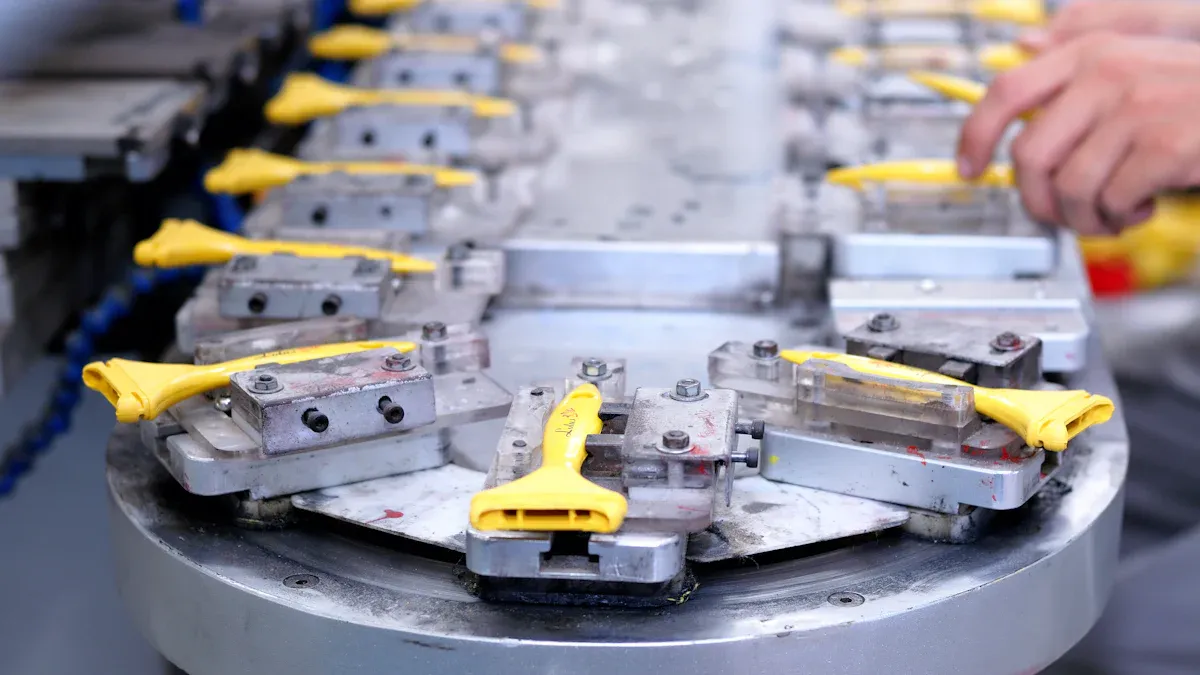
A die casting machine is a device that injects molten metal into a die cavity using high pressure. You use this machine to create precise and durable metal parts. The die casting process shapes complex components with high accuracy and repeatability. You will find die casting machines in industries like automotive, aerospace, and consumer electronics. These machines help you produce parts that meet strict quality standards.
A die casting machine uses high pressure to force molten metal into a die.
The process creates parts with tight tolerances and smooth surfaces.
You can use this method to make large quantities of identical parts quickly.
The die, or mold, is usually made from hardened steel to withstand repeated use.
The die casting process stands out because it combines speed, efficiency, and precision. You can rely on a die casting machine to deliver consistent results, even for complex shapes.
A die casting machine contains several key parts that work together during the process. Each component plays a specific role to ensure the machine operates smoothly and safely.
Die/Mold – This part shapes the molten metal. It has two halves: one fixed and one movable. The die forms the final shape of your part.
Injection System – This system pushes molten metal into the die cavity. It includes the shot sleeve and plunger.
Clamping Unit – This unit holds the die closed during the process. It uses stationary and movable platens to keep the die secure.
Hydraulic System – This system powers the movement of the machine’s parts.
Ejector System – After the metal solidifies, this system pushes the finished part out of the die.
Control System – This system manages the machine’s operations. It uses controllers and sensors to monitor each step.
Cooling System – This system controls the temperature of the die and the casting. Proper cooling prevents defects.
Lubrication System – This system reduces friction between moving parts.
Safety System – This system protects you and the machine. It includes safety features to prevent accidents.
You need to understand each component to operate a die casting machine effectively. Each part ensures the process runs efficiently and safely.
The die casting process follows a series of steps. You start by loading raw metal into the die casting machine. The machine heats the metal until it becomes molten. This step is critical because the right temperature prevents defects in your final product.
Next, the injection system forces the molten metal into the die cavity. High pressure, often ranging from 1,500 to 25,400 psi, helps the metal fill every corner of the die. This pressure ensures that even complex shapes come out with precise dimensions. If you use too little pressure, the metal may not fill the die completely, leading to weak or incomplete parts. Too much pressure can cause flash or wear out the die faster.
After injection, the metal cools and solidifies inside the die. The cooling system helps control the temperature, which is important for part quality. Once the metal hardens, the clamping unit opens the die. The ejector system then pushes the finished part out of the die cavity.
You repeat this process for each new part. High pressure die casting allows you to produce large numbers of parts quickly. The process creates parts with excellent surface finish and mechanical strength. You can trust a die casting machine to deliver reliable results for your production needs.
Tip: Always monitor the pressure and temperature settings on your die casting machine. Proper control helps you avoid defects and extends the life of your die.
You follow a series of steps in the die casting process to create precise metal parts. Each step ensures that the final product meets your quality standards. Here is how the process works:
Mold design and fabrication come first. You use CAD software and precision machining to create the die.
Clamping and preparation follow. You secure the die and apply lubrication to help the molten metal flow smoothly.
The casting process begins. You inject molten metal into the die under high pressure. This step fills every detail of the die cavity.
Cooling and ejection take place next. The metal solidifies inside the die. Ejector pins then push the finished part out without damage.
Trimming is the final step. You remove any excess material to achieve the correct shape and size.
Tip: High pressure in the die casting process helps you fill even the most complex die shapes. This pressure also improves the surface finish and dimensional accuracy of your parts.
You need a strong and precise die for successful die casting. The creation of the die involves several important steps:
Select and prepare high-quality tool steel for the die.
Use CNC machines to rough out the basic shape of the die.
Finish-machine the die surfaces that will form the part. Precision is key here.
Heat-treat the die to increase hardness and wear resistance.
Apply surface treatments to prevent corrosion and polish the die.
Inspect all die parts to check dimensions and material quality.
Assemble the die components into the mold base.
Run trial shots and make adjustments as needed.
A well-made die ensures that the die casting process runs smoothly and produces consistent results.
You usually use non-ferrous alloys in the die casting process. These materials offer the right balance of strength, weight, and durability. Common choices include:
Aluminum alloys: These are lightweight and resist corrosion. You can use alloys like 380 for general parts, 390 for wear resistance, and 413 for pressure tightness.
Magnesium alloys: These are even lighter than aluminum. Alloys like AZ91D and AM60 provide good strength and are easy to machine.
Zinc alloys: These offer high impact strength and excellent dimensional stability. Zamak 3 and Zamak 5 are popular options.
High pressure in the die casting process allows molten metal to fill thin sections and intricate features of the die. This method produces parts with smooth surfaces and tight tolerances. You can create complex designs without extra machining.
Note: The choice of alloy and the quality of the die both affect the final product. Always match your material to your application needs for the best results.
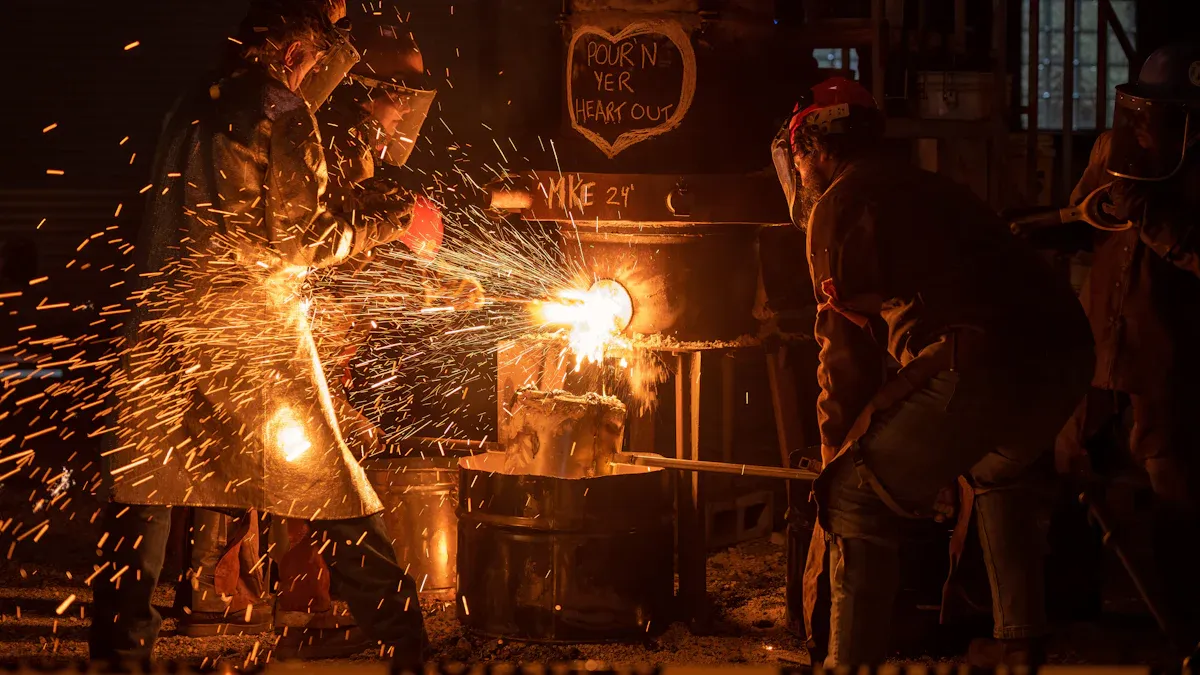
When you choose a die casting machine, you need to understand the main types. Each type works best with certain metals and production needs. The right choice helps you achieve better results in your die casting process.
Hot-chamber die casting machines keep the molten metal inside a heated chamber. You use these machines for metals with low melting points. The process is fast and efficient, making it ideal for mass production. You can see the differences between hot-chamber and cold-chamber machines in the table below:
Characteristic | Hot Chamber Die Casting | Cold Chamber Die Casting |
|---|---|---|
Molten Metal Source | Molten metal is held in a heated chamber pool. | Molten metal is melted in a separate furnace. |
Metal Temperature | Maintains high temperature to keep metal molten. | Injected when needed, solidifies in unheated chamber. |
Cycle Time | Faster, usually less than 60 seconds. | Slower, around 60-120 seconds. |
Metal Alloys | Limited to low melting point alloys (zinc, tin). | Can use higher melting point metals (aluminum, copper). |
You often use hot-chamber machines for zinc, magnesium, lead, and tin alloys. These metals flow easily and fill the die quickly. The table below shows typical materials and their uses:
Material | Melting Point | Advantages | Typical Use |
|---|---|---|---|
Zinc Alloys | ~419°C | Excellent flow, durability | Automotive, electronics, hardware |
Magnesium Alloys | ~650°C | Lightweight, strong, recyclable | Aerospace, auto interior |
Lead Alloys | ~327°C | Dense, easy to cast | Radiation shielding, ammunition |
Tin Alloys | ~232°C | Good detail, non-corrosive | Instruments, antique designs |
You benefit from fast cycle times and lower costs. However, you cannot use these machines for metals with high melting points.
Cold-chamber die casting machines work differently. You melt the metal in a separate furnace and then ladle it into the machine. This method handles metals with higher melting points, such as aluminum and copper alloys. The process takes longer, but you can create stronger parts.
Advantages of Cold Chamber Die-Casting | Disadvantages of Cold Chamber Die-Casting |
|---|---|
Creates denser metal castings due to higher pressure and faster processing speed. | Longer production cycle compared to hot chamber die-casting due to cooling of molten material. |
Affordable maintenance costs leading to lower market prices for products. | Higher risk of oxidation and contaminants affecting product quality. |
Supports high melting point alloys, suitable for stronger metals. | Slower cycle times due to manual or robotic ladling and longer solidification times. |
Extended tool life due to reduced exposure to molten metal. | Greater complexity and cost due to advanced temperature control and alloy management. |
Versatile applications in high-performance industries like aerospace and automotive. | Increased porosity risk from rapid cooling and multiple handling steps. |
You often choose cold-chamber machines for large, strong parts. Common applications include engine blocks, transmission housings, and aerospace components. The table below lists more examples:
Application Type | Examples |
|---|---|
High-strength structural components | Engine blocks, transmission housings, suspension components, wheels, EV battery housings |
Aerospace components | Aircraft structural parts, engine housings, satellite frames, missile components, drone parts |
Electronics and appliances | Aluminum heat sinks, 5G base station components, smartphone and laptop housings, server chassis |
Cookware and home devices | High-end cookware, smart home device housings, bicycle frames, camera bodies, high-end audio housings |
Industrial machinery | Industrial machinery housings, hydraulic system components, machine tool bases, medical equipment housings |
Tip: If you need to cast aluminum or require parts for demanding applications, cold-chamber die casting gives you more options.
You also need to decide between high-pressure and low-pressure die casting. High-pressure die casting uses rapid injection and high force. This method suits mass production and thin-walled parts. Low-pressure die casting uses slower, gentle pressure. You get better mechanical properties and less porosity.
Aspect | Low-Pressure Casting | High-Pressure Casting(Die Casting) |
|---|---|---|
Pressure | Generally less than 0.08 MPa | Can reach hundreds of MPa |
Flow Speed | Generally 150mm/s | Can reach 60m/s and up to about 120m/s |
Porosity | No porosity inside the casting | May have porosity inside the casting |
Heat Treatment | Can be heat treated | Cannot be fully heat treated |
Surface Finish | Relatively average | Relatively smooth |
Production Speed | Average | Fast |
Operating Cost | Low | Higher |
Finished Product Rate | About 80-95% | About 60-90% |
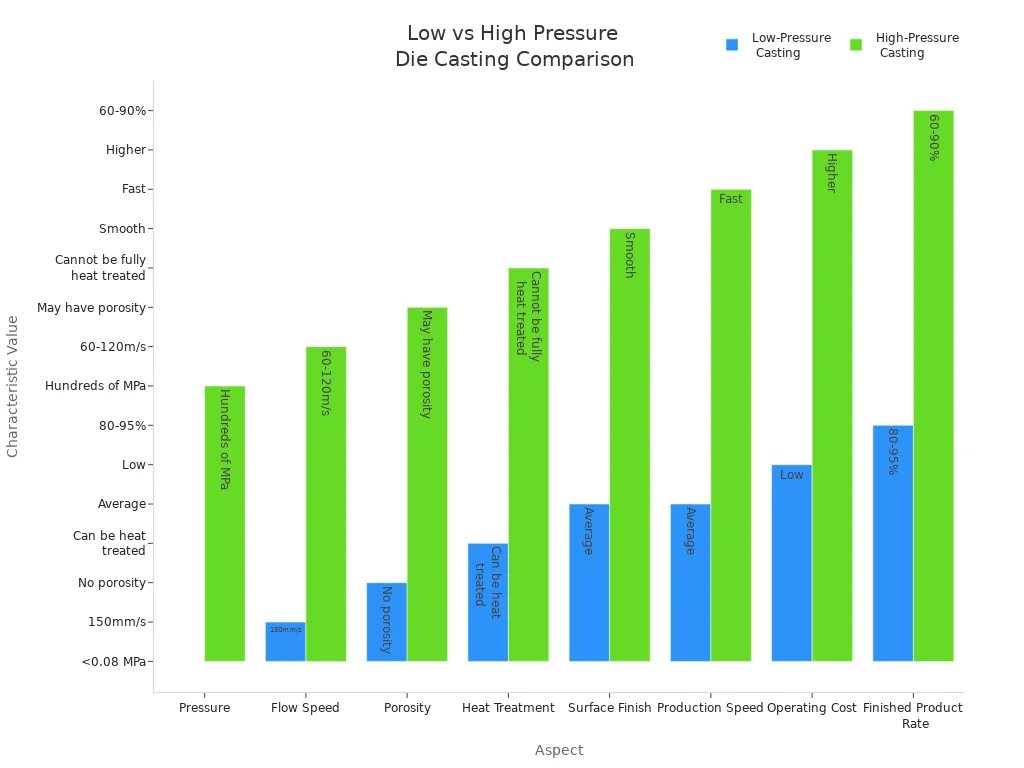
You should choose low-pressure die casting for parts with intricate shapes and high mechanical strength. High-pressure die casting works best for high-volume production and consumer electronics. Always match your die casting machine type to your material, die, and production needs for the best results.
When you choose a die casting machine for your manufacturing needs, you must focus on several key features. These features affect the quality, efficiency, and cost of your die casting process. Understanding them helps you match the right machine to your die casting mold and production goals.
Clamping force is one of the most important specifications in any die casting machine. This force keeps the die casting mold closed while molten metal is injected. If the clamping force is too low, you may see defects like flash or incomplete filling. You need enough force to resist the pressure from the molten metal and maintain the integrity of your die casting mold.
Clamping force maintains mold integrity during injection.
Insufficient force can cause defects such as flash or incomplete parts.
Correct clamping force is vital for high product quality.
You should always check that the clamping unit matches the size and complexity of your parts. This ensures your manufacturing process runs smoothly.
Shot size refers to the amount of molten metal injected into the die casting mold each cycle. Accurate shot size is essential for consistent part quality and material efficiency. If your shot size varies, you may waste metal and increase costs. Using precise ladlers helps you achieve repeatable shot sizes, which can save thousands of dollars each year by reducing remelt costs.
Accurate ladlers ensure repeatable shot size.
Even a 10% variation in shot weight can lead to excess metal use.
Over 99% ladling accuracy minimizes waste and controls costs.
Choose a die casting machine with shot size controls that fit your part requirements and manufacturing volume.
Modern die casting machines offer advanced automation features that boost productivity and part quality. Automation reduces manual labor and improves consistency in your manufacturing process. Here are some common automation technologies:
Technology | Description | Benefits |
|---|---|---|
Auto Ladle | Transfers molten metal into the die automatically. | Maintains optimal temperatures and improves product quality. |
Auto Sprayer | Applies release agent to die surfaces. | Speeds up cycle time and increases efficiency. |
Auto Extractor | Removes cast parts from the die after cooling. | Reduces manual handling and minimizes damage. |
Gear Type Tie Bar Nut Adjustment | Adjusts tie bar nuts for proper alignment and tension. | Reduces defects and maintains optimal die conditions. |
Automatic Plunger Lubrication | Lubricates the plunger automatically. | Reduces wear and ensures consistent part quality. |
Automation gives you the advantages of faster cycle times and improved safety in your manufacturing environment.
Regular maintenance keeps your die casting machine running reliably and extends its lifespan. You should follow these best practices:
Inspect the machine regularly.
Lubricate moving parts.
Clean the die casting mold and machine surfaces.
Calibrate controls and sensors.
Train operators on proper use and safety.
Routine inspections and servicing prevent unexpected breakdowns and minimize downtime. Addressing small issues early helps you avoid costly repairs. A well-maintained die casting machine also improves safety and ensures consistent part quality in your manufacturing process.
Tip: Investing in regular maintenance saves money over time and keeps your manufacturing operation efficient.
You need to match your die casting machine to your production needs. Start by assessing your production volume and the complexity of your parts. This step helps you select the right machine for your manufacturing goals.
Material Compatibility: Choose a die casting machine that works with your preferred metal. Some machines handle aluminum, zinc, or magnesium better than others. For example, an aluminum die casting machine is ideal for lightweight automotive parts.
Production Volume: Estimate how many parts you plan to produce each day or month. High-volume production requires die casting machines with faster cycle times and robust construction.
Part Complexity: If your parts have intricate shapes or fine details, select a machine with higher tonnage and advanced control systems. These machines can handle complex molds and maintain precision.
Cycle Time and Efficiency: Look for machines that offer short cycle times without sacrificing quality. Faster cycles increase output, but you must ensure the process still meets your standards.
Cost and Maintenance: Consider both the initial investment and ongoing maintenance. Machines with easy access for cleaning and repairs save you time and money in the long run.
Tip: Always review your part drawings and production forecasts before choosing a die casting machine. This approach helps you avoid costly mistakes and ensures your process runs smoothly.
When you invest in a die casting machine, you must evaluate all cost factors. The table below outlines the main expenses you will encounter during the purchase and operation of die casting machines.
Cost Factor | Description |
|---|---|
Material Costs | The choice of metal affects your budget. Aluminum costs more than zinc or magnesium. |
Production Factors | Machine type and labor costs matter. Larger parts need machines with higher clamping force. |
Tooling Expenses | Precision tooling is essential. Multi-cavity molds can lower costs by producing several parts at once. |
Mold Design Considerations | Complex designs increase costs due to intricate tooling. Simpler designs are less expensive. |
Type of Die Casting Machine | Cold chamber machines cost more but handle high-temperature metals. Hot chamber machines are cheaper but limited. |
Labor Costs | Skilled operators and automation can reduce costs and improve efficiency. |
Finishing Options | Extra steps like painting or plating add to your expenses. Evaluate these options carefully. |
Energy efficiency also plays a major role in your long-term operating costs. Modern aluminum die casting machines use servo-hydraulic systems and energy management features. These upgrades reduce energy consumption and lower your monthly bills. Automation further improves efficiency and cuts down on waste. By choosing an energy-efficient die casting machine, you keep your process sustainable and competitive.
Note: Investing in machines with advanced energy-saving technology helps you reduce costs over time. You also support eco-friendly manufacturing practices.
Selecting a reliable supplier for your die casting machine is crucial for your business success. You should evaluate suppliers based on several important criteria.
Criteria | Description |
|---|---|
Experience | Choose suppliers with a strong history in the die casting industry. |
Technical Expertise | Look for skilled engineers and certifications like ISO 9001. |
Quality Control | Check for strict quality assurance and inspection methods. |
Manufacturing Capabilities | Assess their ability to handle both small and large orders. |
Material Selection | Review the range of materials they offer and their sourcing practices. |
Customization Support | Find out if they provide engineering support for custom designs. |
Cost Considerations | Ensure transparent pricing and clear quotes. |
Reputation | Read customer reviews and ask for references. |
Communication | Test their customer service and responsiveness. |
Location | Consider proximity for easier shipping and logistics. |
Sustainability Practices | Look for eco-friendly manufacturing and responsible sourcing. |
Legal Compliance | Confirm they follow all relevant laws and regulations. |
After-sales support is another key factor. Leading suppliers offer technical repair support, 24/7 troubleshooting, and use original spare parts for repairs. Some provide full in-house rebuilds and can reverse-engineer components that are no longer available. North American headquarters often support sales, service, parts, and customer training, giving you comprehensive assistance throughout the process.
Tip: Ask your supplier about warranty coverage and after-sales services before making a final decision. Reliable support keeps your die casting machine running smoothly and protects your investment.
Selecting the right die casting machine starts with choosing the type that fits your product. You confirm key parameters like die thickness and opening stroke. You select accessory functions for your process. Use a checklist to compare die casting machines, features, and costs. Consult suppliers for expert advice. This approach helps you avoid common mistakes and ensures your aluminum die casting machine matches your production needs. You gain cost savings, efficiency, and repeatable quality across every run.
You see die casting machines in automotive, aerospace, consumer electronics, and medical device manufacturing. These industries rely on high precision metal parts for safety and performance. Die casting applications also include hardware, lighting, and appliance production.
Tip: Review your industry’s standards before choosing a die casting machine.
Aluminum die casting uses high pressure to inject molten aluminum into a steel mold. This method creates lightweight, strong parts with excellent surface finish. Other metal casting processes may use gravity or lower pressure, which can result in less precise parts.
You must control temperature, pressure, and shot size to achieve consistent results. Proper maintenance of die casting machines and accurate mold design also play key roles. High-quality materials and skilled operators help you avoid defects in your metal casting process.
You can use die casting machines for small batches, but setup costs may be higher. For prototypes or limited runs, consider simplified tooling. Die cast machine automation helps reduce labor and improves efficiency, even for short production cycles.
