
EMAIL:
lh@longhuamachine.com
TELL/whatsapp:
+8619305527239  English English
Views: 0 Author: Site Editor Publish Time: 2025-09-18 Origin: Site


You must treat safety as your top priority every time you approach a hot chamber die casting machine. Strict protocols and daily vigilance protect you and your team from accidents. Injury rates in the die casting industry are twice as high as in other private industries.
Implementing safety rules and management systems reduces burns, cuts, and slips.
Regular maintenance and proper housekeeping help prevent common hazards and keep operations smooth.
Always inspect the hot chamber die casting machine before each shift. Look for leaks, wear, and ensure safety devices are functional.
Wear appropriate personal protective equipment (PPE) like gloves, face shields, and steel-toe boots to protect against burns and injuries.
Monitor temperature and pressure closely during operation. Record readings to identify trends and prevent accidents.
Act quickly in emergencies by activating the emergency stop and assessing the situation. Report all incidents to your supervisor.
Participate in regular training and safety drills to stay prepared for emergencies and reinforce safety knowledge.
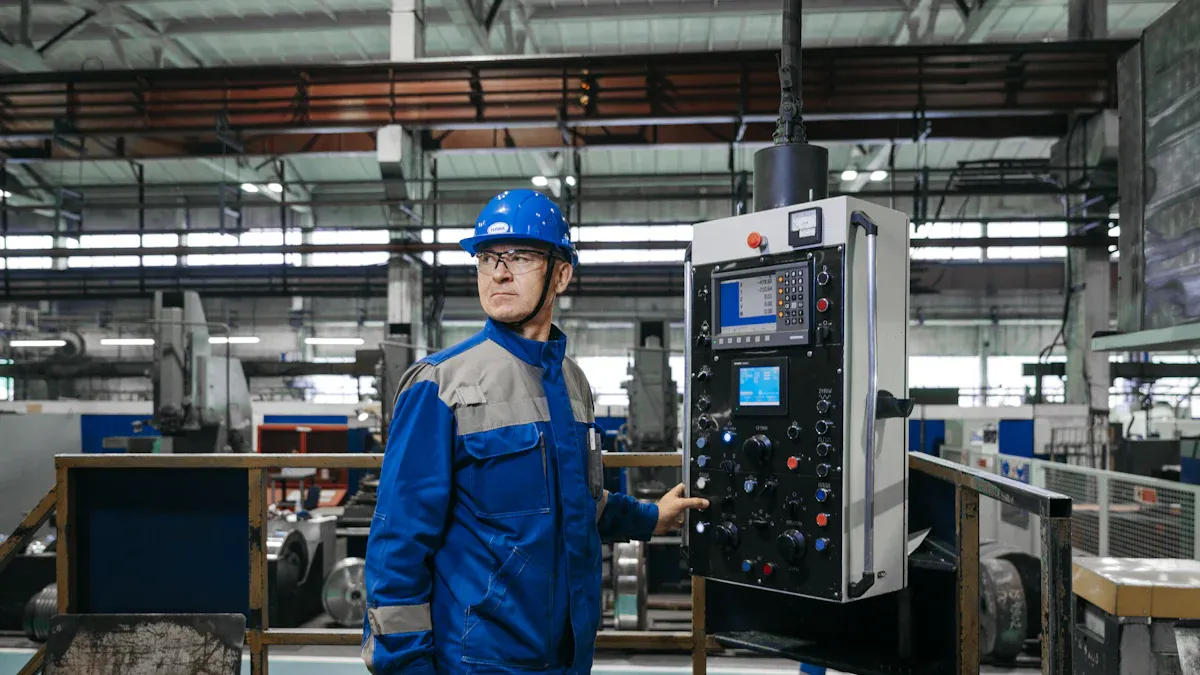
Before you start any work with a hot chamber die casting machine, you need to follow strict pre-operation safety measures. These steps help you prevent accidents, protect your team, and keep your equipment in top condition.
A comprehensive inspection is your first line of defense. You should always check the hot chamber die casting machine before each shift. Look for signs of wear, leaks, or damage. Pay close attention to the following:
Inspect external electrical lines to make sure they are intact and securely bound.
Check oil levels and the lubrication system.
Monitor pressure gauges and temperature readings.
Examine the machine for any visible leaks or loose parts.
Tip: Daily maintenance keeps your hot chamber die casting machines running smoothly and helps you spot problems before they become serious.
Industry standards recommend a routine that includes daily, monthly, and special checks:
Daily: Inspect electrical lines, oil, and lubrication.
Monthly: Overhaul limit switches and induction switches for sensitivity and cleanliness.
Special: Perform extra maintenance after long downtime or harsh conditions.
Regular machine maintenance extends the life of your equipment and reduces the risk of sudden breakdowns. When you perform regular maintenance, you help ensure the hot chamber die casting machine operates safely and efficiently.
You must check all safety devices before starting the machine. These devices protect you from moving parts, molten metal, and other hazards. The table below shows the main types of safety devices and their functions:
Protection category | Required equipment | Function |
|---|---|---|
Mechanical protection | Interlocking safety door, electrosensitive protection equipment | Prevent limbs from entering the danger zone |
Molten metal prevention | Liquid level sensor, quantitative timeout shutdown device | Prevent overflow and blocking |
Temperature monitoring | Medium flow difference alarm device | Prevent coolant leakage and possible explosions |
Emergency control | Dual-circuit emergency stop system, accumulator safety valve | Rapid pressure relief and shutdown |
You should always test emergency stop buttons before operation. These systems can quickly halt dangerous movements and prevent injuries or equipment damage. In an emergency, a fast response can make the difference between a minor incident and a serious accident.
Note: Never perform cleaning or maintenance unless you have powered off the machine and activated the emergency stop. This step is critical for your safety.
Personal protective equipment (PPE) is essential when working with hot chamber die-casting machines. You need to wear the right gear to protect yourself from burns, flying debris, and heavy objects. OSHA and industry standards recommend the following PPE:
Face and Eye Protection: Wear safety glasses with side shields and a face shield to guard against splashes and debris.
Hand Protection: Use gloves designed for heat resistance or chemical handling, depending on your task.
Foot Protection: Choose steel toe boots that resist punctures and slips.
Safety Reminder: Always check your PPE for damage before use. Replace any worn or broken items immediately.
When you follow these safety measures, you reduce the risk of injury and help maintain a safe workplace. You also meet regulatory requirements for soot and fire emission controls, which protect both workers and the environment.
By making inspection, maintenance, and the use of safety devices a daily habit, you set the foundation for safe and reliable operation every time you use a hot chamber die casting machine. If you are selecting a hot chamber die casting machine for your facility, always consider the built-in safety features and ease of regular maintenance.
Operating a hot chamber die casting machine safely requires you to follow clear procedures and use the right controls. You must understand how to start and stop the machine, monitor key parameters, and handle malfunctions. These steps help you prevent accidents and maintain stable operation.
You should always begin by checking that all safety doors and fixed guard devices are in place. Safety doors protect you from molten metal splashes, which can cause serious burns or other injuries. Fixed guards act as barriers, keeping your hands and clothing away from moving parts. These guards do not interfere with your work and remain tamper-proof throughout daily use.
When you start the hot chamber die casting machine, follow this sequence:
Confirm that all safety devices are active.
Make sure the emergency stop button works.
Check that the die area is clear of tools and debris.
Power on the machine and observe for any unusual sounds or vibrations.
To stop the machine safely:
Press the emergency stop if you notice any danger.
Wait for all moving parts to come to a complete stop.
Power off the machine before performing any maintenance or cleaning.
Tip: Always use the safety doors and guards. These features reduce the risk of accidents and help you maintain a safe workspace.
You must monitor temperature and pressure closely during operation. These parameters affect the quality of cast parts and the safety of the process. If temperatures or pressures move outside the recommended range, you risk accidents such as metal solidification or explosions.
The table below shows the optimal ranges for safe operation of hot chamber die casting machines:
Parameter | Typical Value | Importance |
|---|---|---|
Metal Temperature | 415-430°C | Avoids premature solidification |
Die Temperature | 150-200°C | Affects surface finish |
Injection Pressure | 200-700 bar | Determines part density |
Injection Speed | 30-50 m/s | Affects metal flow |
Intensification Pressure | 400-800 bar | Reduces porosity |
You should pay special attention to critical components like the gooseneck and nozzle. High temperatures can damage these parts and lead to leaks or blockages. Regular monitoring helps you catch problems early and supports stable operation.
Note: Record temperature and pressure readings during each shift. This habit helps you spot trends and prevent accidents before they happen.
Malfunctions can occur even with regular maintenance and proper training. You need to recognize common issues and respond quickly to avoid accidents. Problems may involve alloy chemistry, metal temperature, casting design, die design, ejection, or die lubrication.
Common malfunctions include:
Alloy chemistry changes that affect casting quality.
Metal temperature fluctuations that cause solidification or splashing.
Poor casting or die design leading to jams or defects.
Ejection failures that trap parts in the die.
Inadequate die lubrication causing sticking or overheating.
When you encounter a malfunction:
Stop the hot chamber die casting machine immediately using the emergency stop.
Identify the source of the problem by checking temperature, pressure, and component condition.
Remove any castings or debris safely.
Report the issue to your supervisor and document the incident.
Resume operation only after you resolve the problem and confirm all safety devices are working.
Safety Alert: Never attempt repairs or adjustments while the machine is running. Always power off and secure the area before starting maintenance.
Fixed guard devices play a key role in reducing operator injuries during machine operation. These guards prevent contact with moving parts and falling objects. They do not create new hazards and allow you to work efficiently. Durable materials and tamper-proof designs ensure long-term safety.
By following these procedures, you improve your operational skills and reduce the risk of accidents. You also support stable operation and protect your team. Training and regular maintenance help you stay prepared for any situation. When selecting a hot chamber die casting machine, always consider the safety features and ease of maintenance.
Understanding hazards is the foundation of safety knowledge when you operate a hot chamber die casting machine. You face risks from hot metal, moving parts, hydraulic pressure, and even soot or fire emissions. Building strong safety awareness helps you avoid accidents and protect your health and safety every day.
You encounter several hazards during die casting operations. The most common risks include:
Burns from molten metal splashes or hot surfaces.
Pinching or crushing injuries from moving parts.
Hydraulic pressure failures that can cause sudden movements.
Exposure to soot, fumes, or fire emissions.
You must stay alert to these dangers at all times. Regular maintenance and daily checks help you spot problems early and keep your workspace safe.
You can prevent most injuries by following clear guidelines and using your safety knowledge. Here are best practices for avoiding burns and pinching injuries:
Wear heat-resistant gloves, face shields, and other personal protective equipment.
Always follow lockout/tagout procedures before maintenance or repairs.
Use video monitoring systems to check for unsafe actions and improve safety awareness.
Manufacturers with strong safety records design components with features like safety rope structures. These designs show a commitment to safety from the start and help prevent accidents. The table below compares accident rates for different construction techniques:
Construction Technique | Accident Rate |
|---|---|
Industrialized Steel Modular System | Lowest |
Cast-in-Place Concrete | Highest |
Lightweight Construction System | High |
Safe material handling is a key part of health and safety in any die casting facility. You should follow these guidelines:
Use engineering controls to keep lead exposure below legal limits.
Wear respiratory protection if controls are not enough.
Keep a written program that explains your safety measures and monitoring.
Your safety knowledge grows with experience and training. You protect yourself and your team when you stay informed and follow the latest guidelines.
You must act quickly when equipment fails or an accident happens during hot chamber die casting machine operation. Your first step is to activate the emergency stop. This action shuts down the machine and prevents further harm. Always follow the manufacturer's installation guidelines for emergency procedures.
Stay calm and assess the situation. Look for signs of leaks, damaged furnace walls, or faulty fuel lines. You should check burners and any equipment that might cause a malfunction. The table below outlines standard emergency response steps:
Safety Measure | Description |
|---|---|
Equipment Inspection | Check the condition of equipment, furnace walls, fuel lines, burners, and leakage equipment before use to prevent malfunctions. |
Training and Evacuation Plans | Train all personnel in evacuation and emergency response plans, focusing on spill containment. |
Vigilance and Awareness | Remain alert to your environment and report any suspicious signs, such as unusual odors that may indicate leaks. |
You need to follow these steps every time you notice a problem. Quick action can prevent injuries and protect your team.
If an accident occurs, provide first aid immediately. Treat burns, cuts, or other injuries using your facility's first aid kit. Call for medical help if the injury is serious. You must report all accidents and near misses to your supervisor.
Follow these reporting steps to support safety and compliance:
Report near misses internally, even if they do not meet official reporting criteria.
Record all incidents to help with audits and improve risk management.
Encourage a culture of reporting to prevent future accidents.
Proactive reporting can stop incidents from becoming serious.
You should document every accident and near miss. This practice helps your facility meet safety regulations and improves workplace safety. Regular maintenance and training prepare you for emergencies and keep your hot chamber die casting machine running safely.
You build a strong safety culture by investing in ongoing training and regular safety drills. Operator training helps you understand the risks and best practices for working with a hot chamber die casting machine. You should participate in safety training at least once a year. Refresher courses and emergency drills reinforce your knowledge and prepare you for unexpected situations.
Regular drills help you respond quickly during emergencies. You learn how to evacuate, contain spills, and use first aid.
The most effective training programs cover a wide range of topics. The table below lists popular courses for die casting machine safety:
Course Name | Duration | Description |
|---|---|---|
EC-908 Die Casting Safety | 1 day | Teaches safety topics and practices specific to die casting, including hazard recognition. |
Basic Safety in Die Casting | N/A | Covers fundamental safety practices for die casting operations. |
Machine Maintenance Safety | N/A | Focuses on safe maintenance procedures for die casting machines. |
Electrical Safety in Die Casting | N/A | Addresses electrical safety concerns in die casting processes. |
Managing Safety in Die Casting | N/A | Explains management strategies for maintaining a safe environment. |
You should also consider specialized courses for die casting aluminum machine and zinc die casting machine operations. These programs teach you about machine preparation, process control, and troubleshooting.
You foster a proactive safety mindset by staying alert and taking responsibility for your actions. You keep your workspace clean and organized to reduce hazards. You use personal protective equipment every time you operate die casting machines for aerospace components or any hot chamber die casting machine.
Maintain a first aid program so you and your team can respond to injuries.
Establish an emergency response team for crisis situations.
Perform regular equipment maintenance to prevent accidents.
Ongoing safety education lowers accident rates and keeps you informed about new regulations. You update your safety knowledge through training and active engagement. You play a key role in creating a safe workplace by sharing information and encouraging others to follow safety procedures.
Safety is not just a rule. It is a mindset you practice every day.
You keep your workplace safe when you follow these steps every day.
Inspect your hot chamber die casting machine before each shift.
Use personal protective equipment and check safety devices.
Watch for hazards and respond quickly to emergencies.
Take part in training and share safety tips with your team.
Stay alert and keep learning. Your commitment to safety protects everyone.
You need to inspect the hot chamber die casting machine for leaks, wear, and proper function. Always check safety devices on zinc die casting machines and die casting aluminum machines. Confirm emergency stops work on die casting machines for aerospace components.
Safety checks keep your die casting machine hot chamber ready for safe operation.
Personal protective equipment protects you from burns and injuries when you use a hot chamber die casting machine. You must wear gloves, face shields, and boots for zinc die casting machine and die casting aluminum machine tasks.
PPE reduces risks for die casting machines for aerospace components.
Activate the emergency stop on your hot chamber die casting machine. Report accidents with zinc die casting machines and die casting aluminum machines. Use first aid for injuries. Always follow your facility’s emergency plan for die casting machines for aerospace components.
Step | Action |
|---|---|
Emergency Stop | Shut down die casting machine hot chamber |
Report | Notify supervisor |
First Aid | Treat injuries |
You face burns, pinching, and hydraulic pressure risks with hot chamber die casting machines. Zinc die casting machines and die casting aluminum machines also expose you to soot and fire emissions.
Stay alert when operating any die casting machine hot chamber.
You should train at least once a year for hot chamber die casting machine safety. Include zinc die casting machine and die casting aluminum machine procedures. Regular drills help you respond quickly with die casting machines for aerospace components.
Training keeps your die casting machine hot chamber operation safe.
