
EMAIL:
lh@longhuamachine.com
TELL/whatsapp:
+8619305527239  English English
Views: 0 Author: Site Editor Publish Time: 2025-09-17 Origin: Site


Hot chamber die casting machines help you achieve a faster process by combining an integrated furnace and injection system. This setup allows the die casting machine hot chamber to move molten metal quickly, increasing productivity. You can use these machines for low melting point metals like zinc, which supports rapid cycles. The table below shows how hot chamber die casting offers shorter cycle times than cold chamber methods:
Die Casting Type | Average Cycle Time |
|---|---|
Hot Chamber | Less than 60 seconds |
Cold Chamber | 60-120 seconds |
Hot chamber die casting machines enable rapid production cycles, achieving up to 15 cycles per minute, which boosts manufacturing efficiency.
This method works best with low melting point metals like zinc, allowing for quick solidification and high-quality parts.
The integrated furnace and injection system streamline the process, eliminating the need for separate metal transfer and reducing downtime.
Automation enhances the hot chamber die casting process, improving consistency and reducing manual labor, which leads to higher output.
Choosing hot chamber die casting is ideal for industries needing high-volume production of small to medium-sized parts with intricate designs.
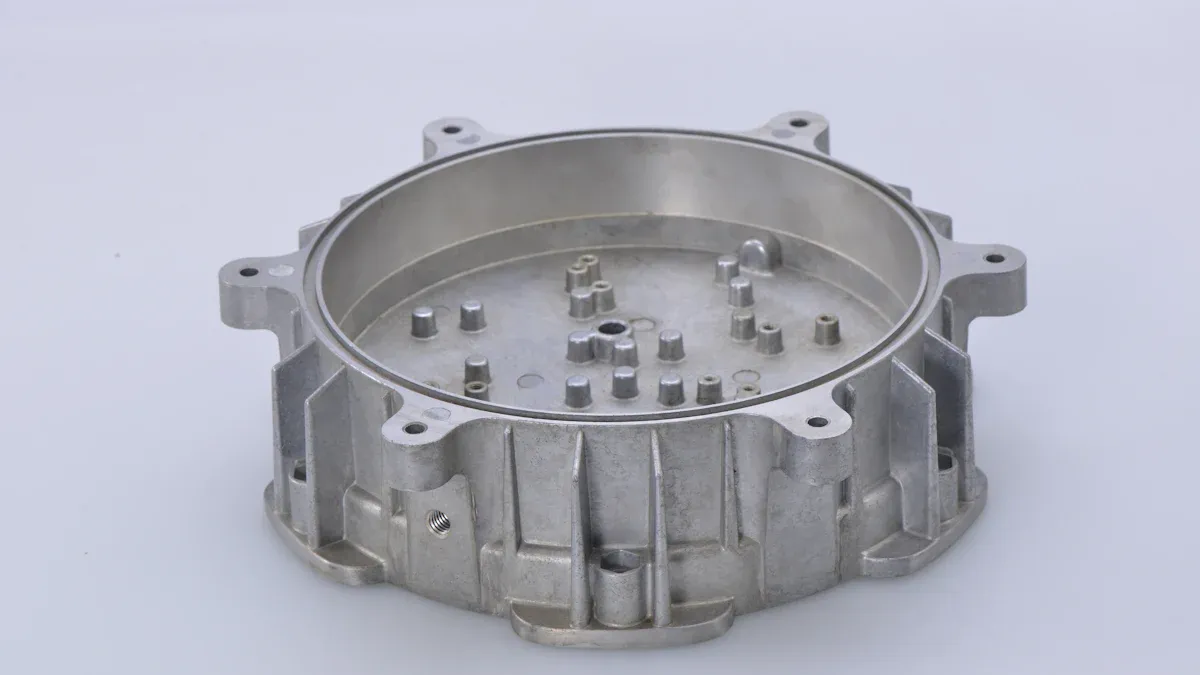
You use hot chamber die casting when you need to produce metal parts quickly and efficiently. This process uses a built-in furnace that melts the metal right inside the machine. The molten metal moves directly into the mold through an injection system. You do not need to transfer the metal from a separate furnace, which saves time and reduces handling steps.
Hot chamber die casting stands out because it works best with metals that have lower melting points. The integrated furnace and injection system allow you to keep a steady flow of molten metal, making the process much faster than other methods.
Here is how hot chamber die casting differs from other die casting methods:
The furnace is part of the machine, not separate.
You get a continuous supply of molten metal.
The process is faster, especially for metals like zinc, tin, and lead.
You often see hot chamber die casting used in industries that need high-volume production, such as:
Consumer electronics
Automotive parts
Household appliances
You can use several metals in hot chamber die casting, but they must have low melting points and good fluidity. These properties help the metal fill complex molds and solidify quickly, which boosts efficiency.
Metal | Properties |
|---|---|
Zinc | Low melting point, good fluidity, hardness, toughness, and excellent casting qualities. |
Lead | Low melting point, suitable for specific uses, but limited by environmental rules. |
Tin | Low melting point, good fluidity, and works well for detailed designs. |
Magnesium | Lightweight, resists corrosion, and has good fluidity. |
Metals with low melting points work best.
Good fluidity helps the metal fill every part of the mold.
Quick solidification means you can produce more parts in less time.
You will find hot chamber die casting especially useful when you need parts that are both complex and high quality. This method gives you low cycle times and supports efficient, large-scale manufacturing.
You can speed up your manufacturing by following the precise steps of the die casting machine hot chamber process. This method uses a unique design that keeps the molten metal ready for each cycle. Here is how the process works from start to finish:
Fill the hot chamber with molten metal.
The die casting machine hot chamber holds the metal in a heated pot. The furnace melts the metal to the right temperature, so you always have a supply of molten metal.
Inject the metal into the die cavity.
The die casting machine uses a gooseneck system to draw molten metal into the shot chamber. Pneumatic or hydraulic pressure forces the metal into the die at high speed.
Apply high pressure for quality casting.
The die casting process uses high pressure to make sure the molten metal fills every part of the mold. This step creates parts with tight tolerances and smooth surfaces.
Cool and solidify the metal to form the final part.
The die cools the metal quickly. Once the part solidifies, the die opens, and you remove the finished product. The machine then starts the next cycle right away.
Tip: The hot chamber die casting process is ideal for high-speed production cycles. You can achieve up to 15 cycles per minute with the right setup.
This step-by-step operation makes the die casting machine hot chamber a top choice for industries that need fast, repeatable results. You can use this process for zinc, magnesium, and lead, which all have low melting points and excellent flow properties.
The integrated furnace and injection system set the die casting machine hot chamber apart from other types of die casting machines. You do not need to transfer molten metal from a separate furnace. Instead, the furnace and injection mechanism work together inside the same machine. This design keeps the process efficient and reduces downtime between cycles.
Process Step | Description |
|---|---|
Metal Containment | The metal stays in an open holding pot inside the furnace. |
Melting Process | The furnace heats the metal to the desired temperature (320℃-400℃). |
Injection | The molten metal flows into the shot chamber for rapid injection into the die. |
The die casting machine hot chamber uses a heating ring to maintain high temperatures. You can adjust the melter to reach the working temperature in about 10 minutes. This setup ensures the molten metal is always ready for the next shot, which keeps your production cycles moving fast.
The injection mechanism uses either pneumatic or hydraulic systems. These systems push the molten metal into the die at high speed. The gooseneck design allows for a continuous pool of molten metal, so you do not have to wait for the next batch to melt. This combination of features creates a high-speed process that supports automation and reduces manual handling.
Mechanism Type | Functionality | Benefits |
|---|---|---|
Pneumatic/Hydraulic | Forces molten metal into the die rapidly | Fast cycle times (15 cycles/min) |
Gooseneck Design | Maintains a continuous pool of molten metal | Efficient melting in the machine |
You will find that the die casting machine hot chamber works best with low melting point metals. Zinc offers a very low melting point, excellent flow, and a long die life. Magnesium is lightweight and strong, making it popular for electronics and automotive parts. Lead is easy to cast, though its use is now limited due to health concerns.
Metal | Advantages |
|---|---|
Zinc | Very low melting point, excellent flow, good corrosion resistance, long die life |
Magnesium | Lightweight, strong, good shielding, recyclable |
Lead | Easy to cast, but limited use today |
Note: The die casting process in a hot chamber machine is not suitable for metals like aluminum or copper. These metals need higher temperatures, which can damage the machine. You should use a die casting aluminum machine or cold chamber process for those materials.
The die casting machine hot chamber gives you several advantages:
High precision and tight tolerances
Rapid production cycles for large quantities
Ability to create complex shapes with consistency
However, you should know that parts made with this process may have lower density than those from cold chamber machines. This can affect the mechanical strength of the finished parts.
By using the die casting machine hot chamber, you can achieve fast, reliable, and automated production. This method is perfect for industries that need high-speed, high-volume manufacturing with metals like zinc and magnesium.
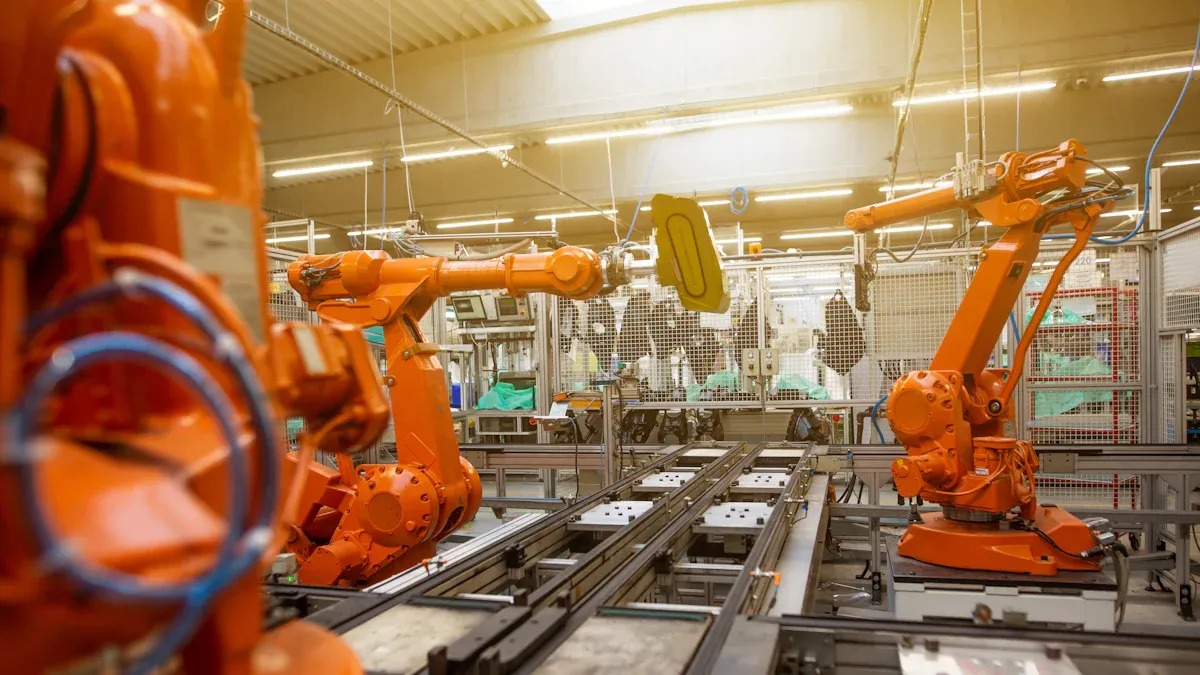
You can achieve impressive speed with hot chamber die casting. The design of this machine allows you to keep molten metal ready for every cycle. You do not need to ladle metal from a separate furnace, which saves time and boosts throughput. The built-in furnace heats the metal directly inside the machine, so you can move quickly from melting to injection.
Hot chamber die casting works best with low melting point metals. This feature lets you process parts faster than other casting methods.
The hydraulic-powered piston pushes molten metal into the die at high speed. You get rapid cycle times and consistent results.
Hot chamber die casting machines often produce parts in as little as 10 to 20 seconds. You can reach up to 15 cycles per minute, depending on the complexity and size of the part. This speed makes the die casting process ideal for high-volume production. You see these machines used for zinc die casting machine operations, electronics, and automotive components.
The rapid cycle times in hot chamber die casting help you manufacture more parts in less time. You can meet tight deadlines and handle large orders with ease.
When you compare this process to cold chamber die casting or die casting aluminum machine setups, you notice a big difference in speed. Cold chamber machines require extra steps to transfer molten metal, which slows down production. Hot chamber die casting machine technology eliminates these delays.
Manufacturers optimize the die casting process by designing runners and feeds that minimize the distance molten metal travels. This reduces cooling time and defects, so you get better quality and less downtime.
Automation plays a key role in making hot chamber die casting machines even faster and more reliable. You can integrate robotic arms, automated metal feeding systems, and in-line quality inspection to streamline your workflow. These advancements help you maintain a steady supply of molten metal and reduce manual labor.
Evidence Type | Description |
|---|---|
Rapid Production Cycle | Hot chamber die casting machines ensure quick and efficient manufacturing of components. |
Advanced Injection System | This system guarantees consistent and precise metal flow for superior casting quality. |
Modern hot chamber die casting machines use servo-hydraulic systems and real-time process monitoring. You can track every step of the die casting process and adjust settings instantly. Closed-loop feedback control and Industrial Internet of Things (IIoT) technology help you minimize downtime and improve quality.
Evidence Type | Description |
|---|---|
Real-time Process Monitoring | Automation enables real-time monitoring, enhancing machine throughput and reducing cycle times. |
Predictive Maintenance | This reduces defect rates, making production more efficient and cost-effective. |
Automation also improves consistency. You can use simulation software to predict defects and optimize mold design. Precise gating and vacuum systems reduce internal voids, while controlled injection temperature prevents surface flaws. These features help you maintain high standards, even during high-speed production.
Robotic arms handle parts quickly and safely.
Automated feeding systems keep molten metal flowing without interruption.
In-line inspection catches defects early, so you can fix problems before they affect quality.
Automation in hot chamber die casting machines lets you focus on efficiency and reliability. You spend less time on manual tasks and more time producing high-quality parts.
Regular maintenance supports uptime and keeps your die casting process running smoothly. You should check and clean induction switches monthly, retighten toggle screws every three months, and inspect bearings and seals as needed. These steps prevent wear and ensure your machine operates at peak speed.
Hot chamber die casting machine automation is essential for industries that demand speed and precision. You see these machines used for die casting machines for aerospace components, consumer electronics, and automotive parts. The combination of rapid cycle times and advanced automation gives you a clear advantage in modern manufacturing.
You gain several important benefits when you use hot chamber die casting machines for your metal forming process. These machines help you produce metal parts quickly and with high precision. You see smoother surfaces and tighter tolerances, which means less finishing work. The die casting process keeps molten metal ready between cycles, so you achieve fast cycle times and boost your output.
You can reach high production rates because the die casting process delivers consistent results.
You use less material and reduce waste, which improves efficiency and supports cost-effective manufacturing.
Clients report up to a 30% reduction in production time, allowing you to meet tighter deadlines and increase your output.
Hot chamber die casting machines work best for high-volume production, especially when you need many small or medium-sized metal parts.
You spend less on energy and labor compared to cold chamber machines, which makes your operation more efficient.
Tip: If you want to maximize speed and efficiency, choose hot chamber die casting machines for zinc, magnesium, or lead metal parts.
Benefit | Description |
|---|---|
Fast Cycle Times | Metal stays molten, enabling rapid casting |
High Precision | Smooth surfaces and accurate dimensions |
Material Utilization | Less waste, lower costs |
Cost-Effective Manufacturing | Reduced energy and labor expenses |
You should know the limits of the die casting process before you choose hot chamber die casting machines. These machines only work with metals that have high fluidity, such as zinc and magnesium. You cannot use them for metals with high melting points, like aluminum or copper, because these metals can damage the machine.
The die casting process is best for small and medium-sized metal parts. If you try to make larger parts, you may see lower efficiency and more defects. Equipment wear is another concern. The machine faces constant exposure to molten metal, which can cause degradation and affect both speed and product quality.
You can only use low-melting-point alloys, which limits your options for metal parts.
Common defects include porosity, cold shuts, and surface blemishes. These problems often result from trapped air or poor temperature control.
You need to monitor the die casting process closely and optimize machine settings to reduce defects.
Note: You address most challenges by selecting the right materials and maintaining your hot chamber die casting machine regularly.
Limitation | Impact |
|---|---|
Alloy Restrictions | Only suitable for high-fluidity, low-melting metals |
Equipment Wear | Continuous exposure leads to possible degradation |
Size Constraints | Best for small and medium metal parts |
Defect Risks | Porosity, cold shuts, surface blemishes |
Hot chamber die casting machines help you speed up manufacturing by combining an integrated furnace and injection system. You get rapid cycles and high efficiency, especially when using a zinc die casting machine or a die casting machine hot chamber for low melting point metals.
Hot chamber die casting machines are efficient and enable rapid production.
You can create intricate designs with high precision.
The process is flexible and dependable, making it ideal for large quantities.
Feature | Hot Chamber Die Casting |
|---|---|
Suitable Metals | Low melting point metals (zinc, tin, lead) |
Process Efficiency | Faster production rates, reduced cycle times |
Injection Mechanism | Immersed in a molten metal bath |
You should choose a hot chamber die casting machine when you need fast, high-volume production of small or medium parts from metals like zinc. This method gives you the speed and reliability needed for modern manufacturing.
You get faster cycles because the die casting machine hot chamber keeps molten metal ready inside the machine. The die does not need extra steps to transfer metal. This setup lets you produce more parts in less time.
You should use metals with low melting points. Zinc works best in a die casting machine hot chamber. Magnesium and lead also perform well. The die fills quickly and solidifies fast, so you get efficient production.
No, you cannot use a die casting aluminum machine for hot chamber die casting. Aluminum needs higher temperatures. The die casting machine hot chamber cannot handle these metals. You should use a cold chamber process for aluminum.
Automation helps you move parts and control the die casting process. Robots feed metal and remove finished pieces. Sensors monitor the die and keep cycles fast. You spend less time on manual work and get more consistent results.
You can use die casting machines for aerospace components if you need small, complex parts from zinc or magnesium. The die casting machine hot chamber gives you high precision and speed. For larger or aluminum parts, you should choose another method.
Tip: Always check the die and machine settings before starting production. This step helps you avoid defects and keeps your die casting machine hot chamber running smoothly.
Die Casting Machine Type | Best Metals | Speed Advantage |
|---|---|---|
Die casting machine hot chamber | Zinc, magnesium | Rapid cycles |
Zinc die casting machine | Zinc | High efficiency |
Die casting aluminum machine | Aluminum | Slower, cold chamber |
Die casting machines for aerospace components | Zinc, magnesium | Precision, speed |
Hot chamber die casting machine | Zinc, magnesium | Fast, automated |
