
EMAIL:
lh@longhuamachine.com
TELL/whatsapp:
+8619305527239  English English
Views: 0 Author: Site Editor Publish Time: 2025-09-29 Origin: Site


You call a machine that melts solid metal a metal melting furnace. This powerful furnace heats metals past their melting point, turning them into liquid for shaping or casting. You see these machines everywhere from jewelry studios to major factories. The growing need for efficient melting solutions drives the market for these furnaces, especially in industries like automotive and aerospace.
The global crucible melting furnace market reached about $1.2 billion in 2023 and could hit $2.1 billion by 2032.
Metal Melting Unit technology supports forging, heat treatment, and high-quality product manufacturing.
A metal melting furnace transforms solid metals into liquid for casting and shaping. This process is essential in various industries, including automotive and aerospace.
Different types of furnaces, like induction and crucible furnaces, serve unique purposes. Induction furnaces offer precise control and efficiency, while crucible furnaces are ideal for small batches.
Safety is crucial when using metal melting units. Always check for water before pouring molten metal and use proper protective equipment to prevent accidents.
Choose a metal melting unit based on your specific needs. Consider factors like capacity, energy efficiency, and safety features to ensure optimal performance.
Regular maintenance and employee training enhance safety and efficiency. Implementing smart automation can also improve control and reduce operational costs.
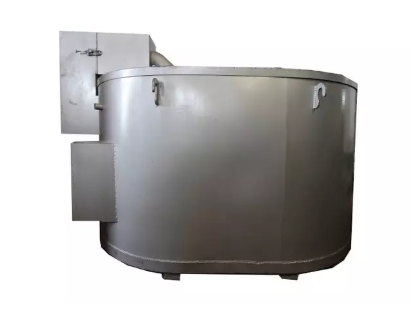
A metal melting furnace is a specialized machine that heats solid metals until they become liquid. You use this equipment in many industries, from small workshops to large factories. The main job of a metal melting unit is to reach temperatures high enough to change the metal’s state from solid to liquid. This process is essential for casting, shaping, and recycling metals.
You will find several types of metal melting units in industrial settings. The most common include:
Induction furnaces, which use electric currents to melt steel and other metals.
Crucible furnaces, which rely on heat-resistant containers to melt smaller amounts of metal.
Cupola furnaces, which are traditional units for producing large quantities of steel.
Electric arc furnaces, which use electrodes to generate intense heat, especially for recycling steel.
Each metal melting unit has unique features and advantages. For example, induction furnaces dominate the foundry industry because they offer precise temperature control and efficient melting. Crucible furnaces work well for small batches, while cupola and electric arc furnaces handle larger volumes.
A typical metal melting unit contains several important components. The table below shows the main parts and their functions:
Component | Function |
|---|---|
Power Supply | Provides the AC required for induction, ensuring precise control over the melting process. |
Induction Coil | Generates the electromagnetic field necessary for heating the metal charge. |
Crucible | Holds the metal charge, constructed from refractory materials to withstand high temperatures. |
Metal Charge | The material being melted, interacts with the magnetic field to generate heat. |
Refractory Lining | Insulates the furnace structure from heat and contains the molten metal. |
Cooling System | Manages heat generated during operation to prevent overheating of components. |
Control System | Monitors and regulates operational parameters for safety and efficiency. |
The main purpose of a metal melting furnace is to transform solid metal into liquid form. This phase change is crucial for many manufacturing processes. When you heat metals like aluminum, copper, or iron in a metal melting unit, you must reach specific temperatures:
Metal | Melting Point (°C) | Melting Point (°F) |
|---|---|---|
Aluminum | 660 | 1220 |
Copper | 1084 | 1983 |
Iron | 1425-1540 | 2597-2800 |
Once the metal melts, it becomes much more fluid. This increased fluidity allows you to pour the metal into molds for casting or use it in advanced manufacturing techniques like 3D printing. Liquid metals also show better conductivity, which is important for making electronic devices. The ability to melt and reshape metals gives you flexibility in creating parts for cars, airplanes, and many other products.
Note: The phase change from solid to liquid not only makes metals easier to shape but also improves their adaptability for different applications.
You rely on a metal melting unit to achieve consistent results and high-quality products. The right furnace helps you control temperature, manage safety, and produce metals that meet industry standards. Whether you work in a small shop or a large plant, understanding how a metal melting furnace operates will help you choose the best equipment for your needs.
When you explore metal melting, you find several main types of units. Each type uses a different heating method and serves unique applications. Understanding these differences helps you choose the right equipment for your needs.
Induction furnaces use electromagnetic induction to heat and melt metals. You place the metal inside a coil, and the alternating current creates a magnetic field. This field induces eddy currents in the metal, causing it to heat up quickly. Induction offers precise temperature control and uniform heating. You often see induction used in automotive, aerospace, and recycling industries. Induction is efficient, safe, and produces fewer emissions than other methods. Induction also allows you to melt a wide range of metals, including aluminum. Induction is popular for casting and die casting. Induction furnaces require regular maintenance, but induction gives you fast melting and consistent results. Induction is also more environmentally friendly because induction does not produce open flames or harmful gases.
Induction heating relies on Faraday’s Law, which explains how a changing magnetic field generates electric currents that heat the metal.
Combustion furnaces rely on burning fuels like natural gas, oil, or coke. You use combustion to generate high temperatures for melting metals. Combustion furnaces include cupola and reverberatory types. Combustion is common in large-scale industrial settings. Combustion furnaces can handle big batches and various metals, including aluminum. Combustion is less efficient than induction and produces more emissions. Combustion also requires careful handling of fuel and exhaust gases.
The process of melting and refining metals in combustion furnaces releases pollutants such as sulfur dioxide and nitrogen oxides, which can impact air and water quality.
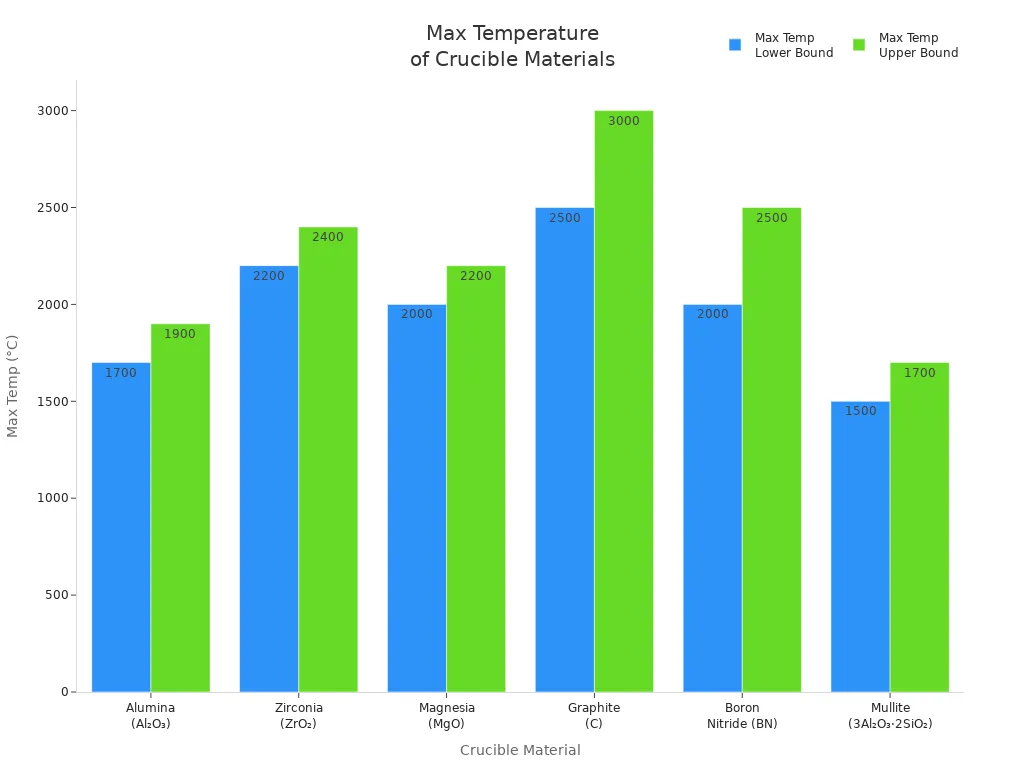
Crucible furnaces melt metals in a heat-resistant container called a crucible. You use crucible furnaces for small batches and specialty alloys. Crucible furnaces are common in jewelry making, laboratories, and vocational training. Crucible furnaces offer precise control and flexibility. Crucible materials include alumina, graphite, and boron nitride, each with different temperature limits and chemical resistance.
Aluminum melting furnaces are designed specifically for melting aluminum. Aluminum melting furnaces use special heating systems and high-temperature refractory linings. Aluminum melting furnaces maintain temperatures above 660°C, which is the melting point of aluminum. Aluminum melting furnaces are essential in industries that process large volumes of aluminum. Aluminum melting furnaces help you achieve high efficiency, but aluminum melting furnaces can lose heat through flue gases. Aluminum melting furnaces are vital for recycling and casting aluminum products. Aluminum melting furnaces support the production of automotive parts, cans, and aerospace components. Aluminum melting furnaces allow you to control temperature and reduce waste. Aluminum melting furnaces are a key part of modern manufacturing. Aluminum melting furnaces improve energy use and product quality. Aluminum melting furnaces are available in many sizes and designs. Aluminum melting furnaces help you meet industry standards. Aluminum melting furnaces are the best choice for any operation focused on aluminum.
Furnace Type | Operation Description | Applications |
|---|---|---|
Induction Furnace | Uses electromagnetic induction to generate heat, providing precise temperature control. | Automotive, aerospace, foundries, recycling, casting, die casting. |
Reverberatory Furnace | Reflects heat off chamber walls, suitable for various fuels. | Melting and processing metals, alloying, refining ores. |
Combustion Furnace | Relies on combustion of fuels to generate heat. | Industrial applications, large-scale melting, including aluminum. |
Crucible Furnace | Melts metals in a crucible, often for small batches and specific alloys. | Small-scale operations, specialty metal melting, jewelry, labs. |
You find two main heating methods in metal melting furnaces: induction and combustion. Induction furnaces use electromagnetic fields to heat metals directly. This working principle leads to less heat loss and a cleaner process. You get high energy efficiency and fast melting speed. Induction furnaces also produce high-quality metals with minimal contamination. Combustion furnaces burn fuels like gas or coke to generate heat. This process works well for large-scale operations but can create more emissions and heat loss.
Heating Method | Efficiency | Applications |
|---|---|---|
Induction Furnaces | High energy efficiency, less heat loss | Steel production, foundries, metal recycling |
Less heat loss due to direct heating of the metal.
Produces high-quality metals with minimal contamination.
Fast melting speed, suitable for high volumes.
Less environmental pollution, clean melting process.
Cost-effective due to lower maintenance and operational costs.
Easy to automate for higher production volumes.
The melting process begins when you apply heat to a solid metal. The metal absorbs energy and changes from solid to liquid. This process depends on several factors:
The metal’s melting point
Thermal conductivity
Purity and crystalline structure
Heating rate and pressure
Presence of impurities or additives
You must control the heating rate during the melting process. Rapid heating can cause thermal stress or uneven melting. Slow heating promotes uniform melting, which is important for casting and pouring molten aluminum. Pressure also affects the melting process. Higher pressure usually raises the melting point, making it harder to melt the metal. Impurities or additives can change the melting process by lowering or raising the melting point. For example, adding flux to iron ore helps the melting process by lowering the melting point. External factors like humidity and atmospheric composition can also influence the melting process. Inert atmospheres help you melt metals without oxidation, which is important for high-purity molten aluminum.
Precise temperature control is vital in every melting process. Modern furnaces use advanced control systems. You can preset heating power and time. Infrared thermometers and automated controls help you regulate temperature accurately. These features improve heating quality and production efficiency. Induction furnaces provide rapid and uniform heating, which is essential for producing high-quality molten aluminum. Accurate temperature control ensures you do not damage materials during the melting process.
Safety is a top priority when working with molten aluminum and other metals. You must follow strict precautions to prevent accidents. The table below shows common hazards and recommended safety measures:
Safety Hazard | Precautions |
|---|---|
Molten metal/water explosions | Ensure no water can enter the furnace. Store scrap in a dry area. Visually check scrap for water. |
Lifting/moving objects | Plan lifting operations properly. Use competent personnel. Supervise lifting operations. |
Slips and trips | Reduce slip and trip hazards. Inspect work areas regularly. |
Exposure to toxic gases and fumes | Install exhaust ventilation. Monitor air for CO. Use proper personal protective equipment (PPE). |
You must always check for water before pouring molten aluminum. Even a small amount of water can cause dangerous explosions. Proper training and supervision help you avoid injuries during the melting process. Good ventilation and PPE protect you from toxic fumes when working with molten aluminum.
When you select a metal melting unit, you need to match the furnace to your specific needs. Start by considering the type of melting furnace. Induction, electric arc, crucible, and gas-fired furnaces each suit different materials and processes. You should also look at capacity and size. If you work as a hobbyist, you may only need a unit that melts 1-10 pounds. Small businesses often require larger models. Make sure the furnace can handle your current production volume and allow for future growth.
Other important factors include:
Energy efficiency: Units with good insulation and advanced heating elements help you save on operational costs.
Temperature control and precision: Advanced systems keep melting temperatures consistent, which is crucial for quality.
Safety features: Look for over-temperature protection and emergency shutdown switches.
Ease of use: A user-friendly interface improves productivity.
Melting speed: Faster melting rates boost overall efficiency.
Portability and design: Compact units save space and make your workspace safer.
Flexibility: Customizable features let you adapt to different melting requirements.
User Type | Required Capacity (pounds) |
|---|---|
Hobbyists | 1-10 |
Small Business | Larger model needed |
You want a metal melting unit that delivers high efficiency and keeps costs low. Induction furnaces stand out for their energy efficiency and low maintenance costs. Electric arc furnaces also offer high efficiency, especially for recycling and high melting capacity. Cupola furnaces provide moderate efficiency and work well for small-scale operations.
Furnace Type | Efficiency Rating | Operational Cost Characteristics |
|---|---|---|
Induction Furnace | High | Energy-efficient, low maintenance costs |
Electric Arc Furnace | High | Ideal for recycling, low emissions, high melting capacity |
Cupola Furnace | Moderate | Cost-effective for small-scale operations |
Intermediate frequency aluminum melting furnaces can reach thermal efficiency levels up to 75%. You should also consider design, operational parameters, and maintenance practices. Induction furnaces often last 20-30 years if you perform regular cleaning and inspection.
You can melt metals like aluminum, copper, iron, gold, and silver in a Metal Melting Unit. Each metal has a different melting point. Always check if your unit supports the temperature needed for your chosen metal.
Let the Metal Melting Unit cool completely. Remove leftover metal and slag with proper tools. Use a brush or vacuum for dust. Always wear safety gear. Regular cleaning keeps your Metal Melting Unit working safely and efficiently.
A Metal Melting Unit can be safe if you follow instructions and use safety equipment. Start with small batches. Read the manual. Wear gloves, goggles, and protective clothing. Never leave the unit unattended while melting metal.
Electricity use depends on the size and type of your Metal Melting Unit. Induction units use less power than older models. Check the unit’s wattage rating. Efficient units help you save on energy costs.
Yes! You can recycle scrap metal using a Metal Melting Unit. Sort and clean the scrap first. Melting scrap helps you reduce waste and save money. Many industries use Metal Melting Units for recycling projects.
