
EMAIL:
lh@longhuamachine.com
TELL/whatsapp:
+8619305527239  English English
Views: 0 Author: Site Editor Publish Time: 2025-09-26 Origin: Site


You want the best results from your zinc alloy die casting machine. In 2025, the Hison Precision ZDC-4000 stands out for delivering unmatched precision, steady reliability, and advanced digital controls. Manufacturers now face growing demand, as the global die cast zinc alloy market was valued at USD 2.5 billion in 2023 and is projected to reach USD 4.5 billion by 2032. With a zinc alloy die casting machine, you gain faster cycle times, improved efficiency, and consistent part quality. Choosing the right zinc alloy die casting machine keeps your production competitive and sustainable. A top-tier zinc alloy die casting machine can help you meet higher standards and boost your bottom line.
The Hison Precision ZDC-4000 is the top choice for 2025, offering unmatched precision and efficiency in zinc alloy die casting.
Focus on build quality, precision, and automation when selecting a die casting machine to enhance production and reduce costs.
Sustainability is crucial; choose machines that use energy-efficient drives and support recycling to meet environmental standards.
Regular maintenance and monitoring of temperature and pressure are essential for maximizing the lifespan and performance of your die casting machine.
Stay informed about market trends and technological advancements to ensure your die casting operations remain competitive and efficient.
When you evaluate a zinc alloy die casting machine in 2025, you need to focus on several key criteria. These factors help you select equipment that delivers high-quality results, supports efficient manufacturing processes, and aligns with the latest industry trends.
Build quality forms the foundation of any reliable zinc alloy die casting machine. You want a machine with robust construction, high-grade materials, and precise engineering. Strong build quality leads to longer tooling life, faster cycle times, and consistent part quality.
Regular maintenance, such as die inspection, hydraulic system checks, and temperature control verification, keeps your machine running smoothly and reduces long-term costs.
Aspect | Impact on Performance and Costs |
|---|---|
Tooling Life | Longer tool life due to lower processing temperatures |
Production Efficiency | Faster cycle times leading to reduced costs |
Quality Consistency | Requires a robust quality management system |
Precision and efficiency drive the success of modern manufacturing processes. In 2025, you benefit from machines that use digital integration, real-time monitoring, and predictive maintenance. These features help you achieve tight tolerances and reduce scrap rates.
Medium-sized machines now handle advanced materials and complex shapes.
Digital twins allow you to optimize cycle times and minimize rejects before production begins.
Automation and AI have transformed zinc alloy die casting machines. You can now use predictive maintenance to cut downtime by up to 70%. AI-driven systems optimize energy use, improve product quality, and enhance safety.
Predictive maintenance reduces unexpected breakdowns.
Automated quality control increases defect detection accuracy.
Energy management systems lower operational costs.
Sustainability matters more than ever in manufacturing processes. Zinc alloy die casting machines now feature energy-efficient drives, high recyclability, and low environmental impact.
Zinc alloys can be recycled many times without losing strength.
Lower energy requirements mean fewer greenhouse gas emissions.
Many machines use recycled zinc, supporting a circular economy.
By focusing on these criteria, you ensure your investment meets both current production needs and future environmental standards.
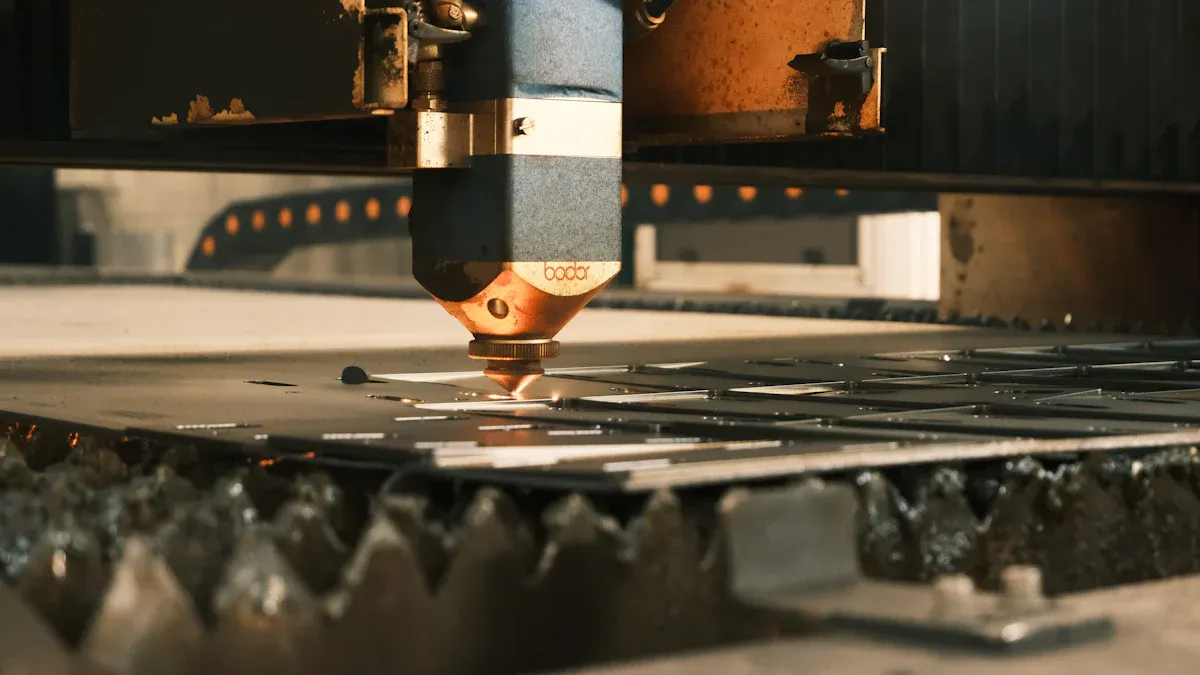
You want a zinc die casting machine that leads in both technology and reliability. The Hison Precision ZDC-4000 stands out in 2025. This machine uses advanced hot runner systems and improved gooseneck valves. You get faster cycle times and higher-quality parts. Many manufacturers choose this model for its consistent performance in zinc die casting production.
The ZDC-4000 brings several unique features to zinc die casting:
Feature/Advancement | Description |
|---|---|
Hot Runner Systems | Eliminate sprue and runner, boost capacity, speed up cycles, cut scrap, and lower emissions. |
Gooseneck Advancements | New valves keep molten zinc close to the gate, reducing air and gas porosity for better parts. |
You benefit from digital controls, real-time monitoring, and predictive maintenance. These features help you optimize every zinc die casting run.
Advantages | Disadvantages |
|---|---|
Great casting performance | Higher density |
Diversified surface treatment | Aging phenomenon |
No iron absorption, no sticky mold | Product size should not be too large |
Good mechanical properties and wear resistance | Shrinkage porosity |
Low melting point |
Tip: Use this machine for small to medium zinc die casting parts to maximize quality and efficiency.
You need a zinc die casting machine that balances automation and flexibility. The LK Machinery DC-ZN Series offers smart automation and digital twin technology. This machine adapts to different zinc die casting projects and supports high-volume production.
Smart automation for hands-free operation
Digital twin simulation for process optimization
Energy-efficient drives for lower costs
Quick die change system for fast setup
You can rely on this machine for stable zinc die casting cycles and reduced downtime.
Pros: High automation, fast changeover, energy savings, strong support from a global die casting machine supplier.
Cons: Higher upfront investment, requires skilled operators for advanced features.
If you want precision in zinc die casting, the Frech W20E delivers. This machine uses high-pressure injection and advanced monitoring. You get tight tolerances and minimal defects.
High-pressure die casting for detailed parts
Real-time quality monitoring
Low energy consumption
Compact design for space-saving
This model fits well in factories focused on premium zinc die casting products.
Pros: Excellent precision, low scrap rates, energy efficient, reliable for long runs.
Cons: Smaller shot size, limited to specific zinc die casting applications.
You see rapid expansion in the die-cast zinc alloy market as manufacturers seek lightweight, cost-effective solutions. The global die-cast zinc alloy market continues to grow, driven by demand for automotive, electronics, and consumer goods. Market segmentation analysis shows that automotive parts lead the way, with the automotive parts zinc die casting market projected to rise from USD 4.42 billion in 2024 to USD 4.57 billion in 2025. The overall die-cast zinc alloy market is expected to reach USD 4.42 billion in 2025, up from USD 3.12 billion in 2024.
Market growth prospects remain strong as industries focus on high production volumes and design flexibility.
Growth Drivers | Challenges |
|---|---|
Lightweighting for fuel efficiency | Fluctuations in raw material prices |
Cost-effectiveness of zinc die casting | Environmental concerns |
High production volumes | Competition from alternative materials |
Design flexibility | Technological advancements |
Superior surface finish | N/A |
You notice that lightweighting and cost-effectiveness drive the die-cast zinc alloy market, while raw material price fluctuations and environmental concerns present challenges.
You benefit from new technology in the die-cast zinc alloy market. Improved automation enhances machine performance and efficiency. Real-time monitoring lets you make immediate adjustments during production. Enhanced control systems give you better precision and consistency. The integration of IoT connects your machines for smarter manufacturing. Energy-efficient machines help you meet environmental regulations. Fully automatic systems allow you to produce complex components at high volumes.
Advancement Type | Description |
|---|---|
Improved Automation | Enhances machine performance and operational efficiency, crucial for zinc alloy die casting. |
Real-time Monitoring | Allows for immediate adjustments and optimizations during the casting process. |
Enhanced Control Systems | Provides better precision and consistency in die casting operations. |
Integration of IoT | Connects machines and data for smarter manufacturing ecosystems, improving overall production. |
Energy-efficient Machines | Aligns with environmental regulations, promoting sustainable manufacturing practices. |
Fully Automatic Systems | Drives efficiency and quality, enabling high-volume production of complex components. |
You see these advancements reflected in the latest zinc alloy die casting machines, supporting both productivity and sustainability.
You often compare zinc and aluminum die casting when choosing the right process. Zinc alloy die casting offers lower costs and shorter cycle times. Aluminum die casting usually costs more and takes longer per cycle. Zinc alloys have a lower melting point, so you get faster production and more energy efficiency.
Zinc die casting works well for harsh environments, but aluminum’s self-healing oxide layer gives it an edge in corrosion resistance and long-term durability.
Aspect | Zinc Alloy Die Casting | Aluminum Die Casting |
|---|---|---|
Cost | Generally lower | Typically higher |
Efficiency | Lower cycle time | Higher cycle time |
Application Suitability | Good for harsh environments | More durable due to self-healing properties |
You should choose based on the strength, weight, and exposure needs of your application. Market segmentation analysis helps you decide which material fits your product best.
When you compare zinc alloy die casting machines, you want to see how each model performs in real-world production. The table below gives you a clear view of performance, reliability, value, and sustainability for the Hison Precision ZDC-4000, LK Machinery DC-ZN Series, and Frech W20E.
Feature | Hison Precision ZDC-4000 | LK Machinery DC-ZN Series | Frech W20E |
|---|---|---|---|
Performance | Fast cycles, high precision, advanced controls | Smart automation, digital twin, stable output | High-pressure injection, tight tolerances |
Reliability | Robust build, low downtime, predictive maintenance | Strong support, quick die change, consistent runs | Proven durability, low scrap rates |
Value | Excellent cost-efficiency of zinc die-casting, ideal for high-volume | Higher upfront cost, long-term savings, flexible for many projects | Best for premium parts, lower scrap, energy savings |
Sustainability | Energy-efficient, uses recycled zinc, low emissions | Energy-saving drives, supports circular economy | Low energy use, compact design, recyclable materials |
You want a zinc alloy die casting machine that delivers fast cycles and precise results. The Hison Precision ZDC-4000 gives you advanced controls and high accuracy. LK Machinery DC-ZN Series uses smart automation and digital twin technology to keep your production stable. Frech W20E stands out for high-pressure injection and tight tolerances, making it a strong choice for detailed parts.
Tip: Choose a machine that matches your production speed and part complexity needs.
Reliability keeps your production running without costly stops. Hison Precision ZDC-4000 uses predictive maintenance to reduce downtime. LK Machinery DC-ZN Series offers quick die changes and strong technical support from a global die casting machine supplier. Frech W20E has a reputation for durability and low scrap rates, which helps you maintain quality over long runs.
You need to consider both initial investment and long-term savings. Zinc alloy die casting machines like the ZDC-4000 offer excellent value because of lower casting costs and faster production speeds. You can recycle up to 90% of zinc alloys, which supports sustainability and reduces waste. LK Machinery DC-ZN Series costs more at first but saves money over time with energy efficiency and flexible features. Frech W20E works best for premium applications where precision and low scrap matter most.
When you compare zinc alloy die casting machines, you want to see which model delivers the best results for your production line. The Hison Precision ZDC-4000, LK Machinery DC-ZN Series, and Frech W20E each offer unique strengths. You need to look at how each zinc alloy die casting machine handles precision, reliability, and advanced technology.
Hot chamber zinc alloy die casting machines, like the ZDC-4000, give you precise temperature control. This control helps you produce consistent, high-quality parts.
Hydraulic models ensure steady injection pressure. You get fewer defects and better surface finishes.
Modern machines focus on sustainability and energy efficiency. You save on energy costs and meet environmental standards.
You also want to consider how each die casting machine supplier supports your operation. Reliable support and easy access to spare parts keep your zinc alloy die casting machine running smoothly. If you need to switch between zinc and aluminum die cast machine setups, look for flexible models that handle both materials. Cold chamber die casting machines work better for aluminum, while hot chamber machines excel with zinc alloys.
Tip: Always match your zinc alloy die casting machine to your production needs. High pressure die casting machine options give you more control over part quality and cycle times.
You want the highest quality from your zinc alloy die casting machine. The Hison Precision ZDC-4000 stands out as the top pick for 2025. This machine uses advanced hot chamber technology and digital controls. You get precise temperature management and consistent injection pressure. These features help you achieve tight tolerances and reduce scrap rates.
Here’s why the ZDC-4000 leads the market:
Hot chamber design gives you better control over molten zinc.
Hydraulic systems deliver steady, repeatable pressure for every shot.
Energy-efficient drives and recycled zinc support your sustainability goals.
Digital monitoring and predictive maintenance reduce downtime.
You also benefit from a die casting machine supplier with a strong reputation. Hison offers reliable support and training. You can trust the ZDC-4000 to handle small and medium zinc alloy die casting parts with high precision.
Note: If you need to produce large aluminum parts, consider a cold chamber die casting machine or a dedicated aluminum die cast machine. For zinc alloys, the ZDC-4000 gives you the best mix of quality, efficiency, and sustainability.
You need a zinc alloy die casting machine that fits your industry and production goals. Different user segments have unique requirements. The right machine helps you meet these needs and stay competitive.
User Segment | Key Needs | Growth Factors |
|---|---|---|
Automotive | Lightweight, high-strength components | Electric vehicle shift, fuel efficiency |
Electronics | Complex, high-precision components | Demand for advanced manufacturing technologies |
General Manufacturing | Sustainable practices, operational efficiency | IoT and AI integration in die casting machinery |
If you work in automotive, you need a zinc alloy die casting machine that produces strong, lightweight parts. Electric vehicles and fuel efficiency drive demand for these components. Electronics manufacturers need machines that deliver complex shapes and tight tolerances. You want advanced controls and real-time monitoring. General manufacturers look for sustainable machines that use less energy and support recycling.
Choose a zinc alloy die casting machine that matches your product requirements and growth plans. Ask your die casting machine supplier about options for high pressure die casting machine models, automation, and digital integration. This approach ensures you get the best value and performance for your business.
When you choose a zinc alloy die casting machine, you need to focus on several important factors. The right decision helps you boost production and avoid costly mistakes. Here are the steps you should follow:
Decide which alloy fits your needs. Zinc alloys work well for small, complex parts, while aluminum die cast machines suit larger components.
Check the casting size and weight. Hot chamber die casting machines handle zinc alloys efficiently. Cold chamber die casting machines work better for aluminum parts.
Match the mold size to your zinc alloy die casting machine. This ensures smooth installation and operation.
Review the machine’s performance. Look for high pressure die casting machine models that offer strong yield and reliability.
Consider your production batch size. Some zinc alloy die casting machines work best for high-volume runs, while others suit smaller batches.
Tip: Always consult with your die casting machine supplier to confirm specifications and compatibility.
Many buyers make common errors when selecting a zinc alloy die casting machine. You can prevent these issues by staying alert:
Focusing only on the lowest price. This often leads to higher costs later.
Ignoring detailed quotes. You need to understand every part of the offer from your die casting machine supplier.
Skipping supplier checks. Reliable suppliers provide better support and quality.
Overlooking tolerances and surface finishes. These details affect your final product and costs.
Note: A careful review of each zinc alloy die casting machine quote helps you avoid surprises.
You can maximize the output and lifespan of your zinc alloy die casting machine by following these tips:
Tip | Benefit |
|---|---|
Schedule regular maintenance | Reduces downtime and extends machine life |
Use the correct alloy and mold | Improves casting quality and consistency |
Monitor temperature and pressure | Ensures high pressure die casting machine accuracy |
Train your team | Boosts efficiency and reduces errors |
You should also ask your die casting machine supplier about upgrades for automation and digital controls. These features help you stay competitive in 2025, whether you use a zinc alloy die casting machine, aluminum die cast machine, or cold chamber die casting machine.
Remember: The right zinc alloy die casting machine choice supports your business growth and sustainability goals.
The Hison Precision ZDC-4000 zinc alloy die casting machine delivers the highest quality in 2025. You gain smoother surfaces and less post-casting finishing, which saves costs. Zinc alloy die casting machines excel at intricate designs for harsh environments, while aluminum die cast machines suit lightweight, robust parts. You should consider market trends and choose machines with AI and IoT features for better efficiency. Sustainable practices matter, so select a zinc alloy die casting machine that supports eco-friendly production. For expert advice, review resources below:
Resource | Description |
|---|---|
CDC - Zinc Die Casting Overview | Information on safe manufacturing practices related to zinc die casting. |
EPA - Eco-Partnerships | Environmental partnerships for sustainable manufacturing. |
NIST | Standards and measurements for quality and precision. |
ITIC | Industry insights for technology manufacturing. |
USDA | Resources for zinc die castings in agriculture. |
You use a zinc alloy die casting machine for small, complex parts with fast cycles. An aluminum die cast machine works better for larger, lightweight parts. Zinc machines often use hot chamber technology, while aluminum machines usually require cold chamber die casting machines.
You should consider part size, production volume, and required precision. Check if you need a hot chamber or cold chamber die casting machine. Ask your die casting machine supplier about automation, energy efficiency, and support for high pressure die casting machine options.
Yes! Zinc alloy die casting machines offer fast cycle times and low scrap rates. You save on energy and material costs. Many machines use recycled zinc, which supports sustainability and lowers expenses.
You need to schedule regular inspections, clean the die, and check hydraulic systems. Monitor temperature and pressure settings. Your die casting machine supplier can provide a maintenance checklist for your zinc alloy die casting machine.
Automation improves consistency and reduces errors. You get faster production and better quality. High pressure die casting machine models with automation can also lower labor costs and help you meet strict industry standards.
