
EMAIL:
lh@longhuamachine.com
TELL/whatsapp:
+8619305527239  English English
Views: 0 Author: Site Editor Publish Time: 2026-07-08 Origin: Site


The increasing demand for extreme lightweighting in aerospace, automotive, and consumer electronics is forcing foundries to evaluate magnesium alongside traditional aluminum. While pure magnesium and pure aluminum share deceptively similar melting points (approx. 650°C and 660°C, respectively), treating their melting processes as interchangeable leads to severe safety hazards, high defect rates, and equipment degradation. Transitioning to or integrating magnesium requires a fundamental shift in melt handling, atmospheric control, and furnace architecture. This guide breaks down the technical, operational, and capital differences between the magnesium melting process and standard aluminum alloy melting to inform facility upgrades and capability expansion. We will examine the specific metallurgical behaviors, equipment requirements, and safety protocols necessary to successfully manage these distinct light metals on the foundry floor.
Foundry operators frequently look at the baseline melting points of pure aluminum (660°C / 1220°F) and pure magnesium (650°C / 1202°F) and assume the thermal management strategies will be identical. This assumption is dangerous. The critical metric separating these two metals is not the melting point, but the boiling point. Aluminum possesses a massive thermal buffer, boiling at a staggering 2519°C (4566°F). You can overheat an aluminum bath significantly without risking metal vaporization. Magnesium, conversely, boils at just 1091°C (1996°F). This creates an exceptionally narrow operational safety window. If a burner malfunctions or a thermocouple fails, causing the melt temperature to spike, magnesium will rapidly vaporize. Magnesium vapor reacts instantaneously and violently with atmospheric oxygen, leading to explosive ignition. Precise thermal regulation is the absolute foundation of safe Mg Alloy Melting.
When you start blending these metals, such as in the production of 5xxx series Al-Mg alloys, the thermal dynamics shift again. Adding magnesium to an aluminum base lowers the solidus and liquidus points of the resulting alloy, often pushing the melting range down to approximately 600°C (1112°F). This integration reduces the specific gravity of the material, alters the crystalline structure to enhance mechanical performance and corrosion resistance, but complicates the melting procedure. You must carefully manage the holding temperatures to prevent the lighter magnesium from burning off the surface of the aluminum melt.
Furthermore, the latent heat of fusion dictates the energy input required for phase transition. Aluminum requires 397 kJ/kg to transition from solid to liquid, while magnesium requires only 349 kJ/kg. This means magnesium melts faster and requires less energy input per kilogram than aluminum. Burner sizing, electrical element ratings, and cycle time calculations must be adjusted accordingly when switching between these metals to prevent accidental overheating of the magnesium bath.
| Thermal Property | Pure Aluminum | Pure Magnesium | Operational Impact |
|---|---|---|---|
| Melting Point | 660°C | 650°C | Similar baseline energy required to initiate melting. |
| Boiling Point | 2519°C | 1091°C | Mg requires strict over-temperature limits to prevent vaporization. |
| Latent Heat of Fusion | 397 kJ/kg | 349 kJ/kg | Mg melts faster; requires careful burner modulation. |
| Specific Heat Capacity (Solid) | 0.90 J/g·K | 1.02 J/g·K | Affects preheating times and energy consumption profiles. |
The fundamental difference in how these metals interact with oxygen dictates the entire design of the melting apparatus. Aluminum exhibits a highly favorable oxidation behavior. When exposed to the atmosphere, molten aluminum instantly forms a dense, stable, and continuous layer of aluminum oxide (alumina). This skin naturally protects the underlying liquid metal. It acts as a physical barrier, halting further oxygen penetration. Because of this self-healing skin, you can safely hold and transfer molten aluminum in open-air environments.
Magnesium lacks this natural defense mechanism. The oxidation of magnesium is governed by a Pilling-Bedworth ratio of less than 1 (approximately 0.81). This metallurgical metric means that the magnesium oxide layer that forms on the surface occupies less volume than the base metal it replaced. Consequently, the oxide layer is inherently porous, fractured, and non-protective. It cannot seal the surface. Oxygen continuously penetrates through the fissures, reacting with the fresh metal below. If molten magnesium is exposed to ambient air, it undergoes rapid, runaway exothermic oxidation. It will burn intensely with a blinding white light, generating massive amounts of heat and toxic white smoke. You cannot rely on natural oxidation to protect a magnesium melt; you must engineer an artificial barrier.
Walk into any standard aluminum foundry, and you will see equipment designed for open-air processing and aggressive agitation. Refractory-lined reverberatory furnaces are the workhorses for large-volume breakdown and holding. For rapid melting and alloying, coreless induction furnaces are heavily utilized. The containment vessels—the crucibles—are typically manufactured from silicon carbide or clay graphite.
The reason for this specific material selection lies in aluminum's aggressive solvent properties. Molten aluminum has a very high affinity for iron. If you attempt to melt aluminum in a bare steel crucible, the aluminum will rapidly dissolve the iron from the crucible walls. This causes two catastrophic failures: first, the aluminum alloy becomes heavily contaminated with iron, which destroys its ductility and mechanical properties; second, the steel crucible walls thin out rapidly, leading to a sudden and dangerous crucible breach. Therefore, aluminum demands ceramic, graphite, or heavily wash-coated refractory containment systems.
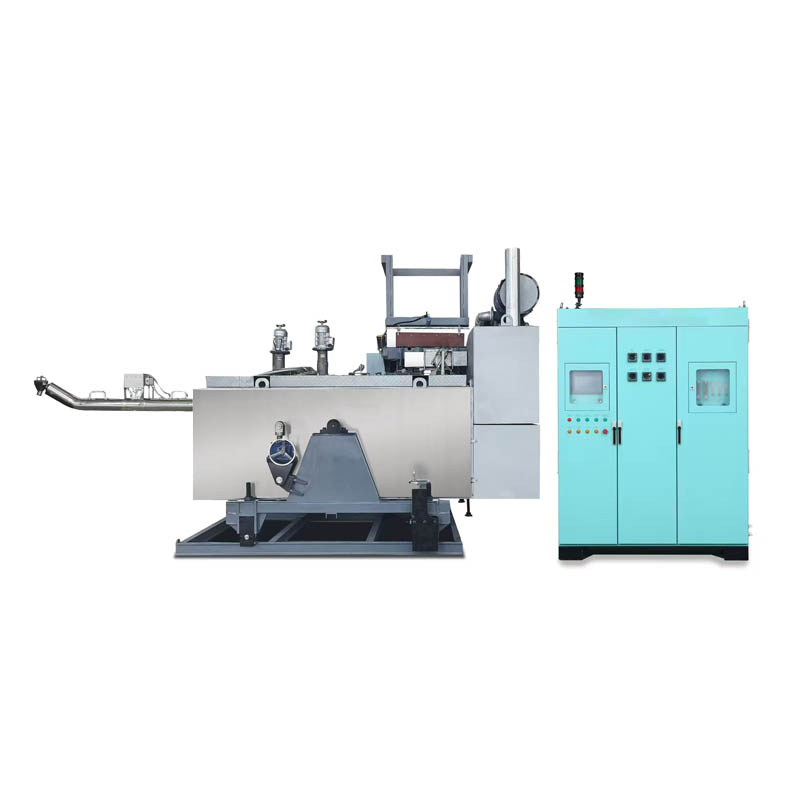
A dedicated magnesium alloy furnace requires a completely inverted engineering philosophy. First, indirect heating is mandatory. You must use electric resistance elements or gas-fired systems that heat the exterior of a crucible. Direct flame impingement or the aggressive stirring of coreless induction can create localized hotspots. In magnesium, a hotspot on the crucible wall can push the adjacent metal past its boiling point, triggering localized vaporization and subsequent ignition.
Crucible compatibility is the exact opposite of aluminum. Magnesium does not attack iron. Therefore, low-carbon, nickel-free steel crucibles are the industry standard. In fact, you must avoid the materials used for aluminum. Magnesium reacts destructively with silicon and nickel. If you place molten magnesium into a silicon carbide crucible, the magnesium will chemically reduce the silica, severely contaminating the melt with silicon and rapidly destroying the crucible structure. Bimetallic clad steel crucibles are often used to provide exterior oxidation resistance against the heating elements while maintaining a pure steel interior for the magnesium bath.
The structural architecture of the furnace must prioritize atmospheric isolation. Magnesium furnaces feature heavy, sealed domes. Gas-tight seals are required around all access ports, thermocouple entries, and cleaning hatches. To move the metal, automated dosing pumps replace manual ladles. These pumps draw metal from beneath the surface and push it through heated steel transfer tubes directly into the casting machine. Every design choice in a magnesium furnace is focused on keeping ambient air out and the protective atmosphere in.
In aluminum processing, melt treatment is primarily concerned with removing dissolved hydrogen gas and separating suspended oxide particles. Foundries utilize rotary degassing units, which inject a steady stream of argon or nitrogen gas through a spinning graphite rotor. The resulting fine bubbles sweep through the melt, capturing hydrogen and carrying it to the surface to prevent porosity in the final casting.
To manage dross, operators manually apply solid chemical fluxes to the surface of the melt. These exothermic salts react with the oxide layer, breaking the surface tension bonds between the liquid aluminum and the solid oxides. The oxides separate and float to the surface as a dry, powdery dross, which operators then skim away with steel tools. This entire process is conducted in the open air, relying on the aluminum's natural oxide skin to reform immediately behind the skimming tool.
Because magnesium cannot protect itself, foundries must artificially suppress oxidation. In the past, operators used heavy layers of solid salt fluxes to smother the molten magnesium. However, the industry is rapidly phasing out solid fluxes for magnesium melting. These salts are highly corrosive to furnace components and facility infrastructure. More importantly, they frequently result in salt inclusions within the final castings, which act as initiation sites for severe galvanic corrosion, ruining the part's integrity.
Modern magnesium operations rely entirely on a highly calibrated protective gas system. This system utilizes a precision mixing panel to blend a dry carrier gas (typically dry air, nitrogen, or carbon dioxide) with a small percentage of a reactive cover gas. This precise gas mixture is continuously piped into the sealed headspace of the furnace. When the reactive cover gas contacts the molten magnesium, it forms a microscopic, highly stable, and continuous protective film (often magnesium fluoride or magnesium sulfate, depending on the gas used). This artificial skin acts as an impenetrable barrier to oxygen.
The selection of the reactive cover gas is a critical operational and environmental decision:
The physical movement of liquid metal from the holding furnace to the die or mold highlights the stark operational divide between these materials. In standard aluminum casting, open-air ladling—whether manual or via a robotic arm—is standard practice. The natural oxide skin protects the metal during the brief transit time through the air.
Magnesium strictly prohibits open-air transfer. Exposing a ladle of molten magnesium to the atmosphere will result in immediate, heavy oxidation and potential ignition. Therefore, you must utilize closed-loop, pumped transfer systems. Centrifugal or pneumatic dosing pumps are submerged in the melt. When a shot is required, the pump pushes the liquid magnesium through a sealed, electrically heated steel transfer tube directly into the shot sleeve of the die casting machine. This closed system maintains absolute temperature stability and prevents any oxygen exposure during light alloy casting.
Specific gravity dynamics also drastically alter dross management workflows. Magnesium has a very low density (approximately 1.7 g/cm³), which is roughly two-thirds that of aluminum (2.7 g/cm³). Because the liquid magnesium is so light, heavier dross, oxides, and intermetallic inclusions do not float to the surface as readily as they do in aluminum. Instead, they tend to remain suspended in the melt or sink to the bottom of the crucible as sludge. Operators must employ distinct, careful skimming techniques and allow for adequate settling times to separate the dross without accidentally scooping out high-value, clean magnesium.
Temperature control during pouring is another critical failure point. If the magnesium exits the heated dosing tube even slightly above the target casting temperature, it can spontaneously ignite at the spout before entering the die. You must meticulously calibrate the PID controllers on the dosing tube heaters to maintain the exact required temperature without exceeding the ignition threshold.
The tools used to interact with the melt must be strictly controlled and segregated. You absolutely cannot use silica-based refractories, clay-graphite tools, or standard ceramic skimmers with molten magnesium. Magnesium reacts with silica in a violent, thermite-like reduction reaction. This reaction generates intense localized heat, instantly degrades the tool, and heavily contaminates the melt with silicon. Every single tool that touches molten magnesium—skimmers, sludge shovels, thermocouple protection tubes, and stirring rods—must be fabricated from low-carbon steel.
For facilities operating as dual-metal foundries, cross-contamination is a severe and constant threat. You must implement rigid, physical segregation protocols for all scrap, revert, and gating systems. If magnesium scrap is accidentally introduced into an aluminum melting furnace, it will unpredictably alter the alloy chemistry, potentially pushing the alloy out of specification and changing its melting range. Conversely, if aluminum scrap enters a magnesium furnace, the iron picked up during the aluminum's previous processing will contaminate the magnesium, and the differing melting points can cause severe sludging at the bottom of the crucible, requiring a complete furnace shutdown to clean.
| Operational Aspect | Aluminum Workflow | Magnesium Workflow |
|---|---|---|
| Metal Transfer | Open-air ladling (manual or robotic). | Closed-loop, heated steel dosing tubes. |
| Tooling Material | Ceramic, coated steel, clay-graphite. | Strictly low-carbon, bare steel. |
| Dross Behavior | Floats readily to the surface. | Suspends or sinks; requires settling time. |
| Atmosphere | Ambient air. | Sealed with active protective gas mixture. |
Upgrading a facility from aluminum to magnesium processing requires substantial and unavoidable capital investment. You cannot take shortcuts. You cannot simply drop a steel crucible into an existing aluminum reverberatory furnace and start melting magnesium. You must purchase dedicated, purpose-built magnesium melting systems. These units feature the necessary heavy steel construction, sealed domes, and indirect heating elements required for safe operation.
The protective gas infrastructure represents another major capital outlay. You must install precision gas mixing panels equipped with highly accurate mass flow controllers to manage the delicate balance of carrier and cover gases. Dedicated, leak-proof delivery lines must be routed to the furnaces. Furthermore, specialized ventilation and high-velocity extraction systems are mandatory to safely evacuate the area in the event of a cover gas leak or a minor oxidation event on the melt surface. Finally, the transition requires the purchase of automated dosing systems to replace manual ladles, adding significantly to the initial equipment costs.
Handling magnesium introduces a layer of strict regulatory oversight that aluminum foundries rarely experience. Facilities must comply with rigorous OSHA and NFPA standards, specifically NFPA 484, which governs the handling of combustible metals. Magnesium dust, fines, and chips generated during secondary machining operations present severe Class D fire and explosion risks. You must install specialized wet dust collectors designed specifically for combustible metals and implement aggressive, daily housekeeping protocols to prevent dust accumulation.
Environmental reporting is also heavily tied to your chosen protective gas system. If you operate legacy systems using SF6, you face stringent federal and local tracking, reporting, and phase-down requirements due to its extreme greenhouse gas status. Transitioning to modern fluorinated ketones reduces this specific environmental compliance burden but requires updated safety training, specialized leak detection equipment, and rigorous handling procedures for the new chemical agents.
Despite the high initial capital costs and the strict safety and compliance requirements, the market opportunity for magnesium casting is expanding rapidly. The relentless push for ultra-lightweight components in electric vehicle (EV) manufacturing, aerospace, and advanced consumer electronics is driving unprecedented demand. Magnesium offers a superior strength-to-weight ratio compared to aluminum, making it the material of choice for range-extending EV components and weight-critical aerospace structures.
Foundries that invest heavily in proper, safe magnesium infrastructure position themselves to capture premium, high-margin contracts. Scalability in this sector depends entirely on mastering the protective gas systems and maintaining strict, uncompromising equipment maintenance schedules. Procedures like the routine ultrasonic testing of steel crucibles must become ingrained in the facility's culture to prevent catastrophic failures. The initial capital investment, while steep, unlocks access to specialized casting markets that standard aluminum foundries simply cannot service.
To successfully integrate magnesium melting capabilities, foundries must respect the profound chemical and thermal differences between magnesium and aluminum. Treating these metals as interchangeable will result in catastrophic equipment failure and severe safety incidents. Follow these actionable steps to ensure a safe and profitable transition:
A: No. Standard aluminum furnaces lack the necessary atmospheric sealing, protective gas delivery systems, and appropriate low-carbon steel crucible materials required to safely melt magnesium without severe fire risks.
A: Pure magnesium melts at roughly 650°C (1202°F), while pure aluminum melts at 660°C (1220°F). Adding magnesium to aluminum (Al-Mg alloys) can lower the melting point to around 600°C (1110°F).
A: Magnesium has a low boiling point of 1091°C (1996°F) compared to aluminum's 2519°C. Overheating magnesium quickly causes vaporization, leading to violent, high-temperature reactions with oxygen.
A: Molten magnesium reacts violently with oxygen and moisture. A protective gas system creates a thin, stable surface film on the melt, preventing runaway oxidation and explosive ignition.
A: Historically, Sulfur Hexafluoride (SF6) and Sulfur Dioxide (SO2) were standard. Due to environmental and toxicity concerns, modern foundries are transitioning to fluorinated ketones like Novec 612 or HFC-134a.
A: Aluminum has a high affinity for iron and will dissolve bare steel crucibles. This contaminates the aluminum alloy with iron and quickly destroys the crucible, causing dangerous leaks.
