
EMAIL:
lh@longhuamachine.com
TELL/whatsapp:
+8619305527239  English English
Views: 0 Author: Site Editor Publish Time: 2026-08-07 Origin: Site


Magnesium die casting presents severe operational challenges due to the rapid oxidation, extreme reactivity, and flammability of molten magnesium alloys. Foundries running legacy or poorly integrated melting setups constantly battle inconsistent shot weights, high scrap rates, thermal degradation of the melt, and severe safety hazards on the floor. When molten magnesium interacts with ambient air, it degrades instantly. This compromises the structural integrity of the final cast components and puts operators at immediate risk.
Selecting the right Magnesium Dosing and Melting Furnace is not merely a capacity decision. It represents a core workflow integration that dictates cycle times, metallurgical quality, and operational safety. A precise, well-engineered system isolates temperature fluctuations, maintains protective gas covers, and delivers exact volumetric doses to the shot sleeve. This transforms a volatile process into a highly repeatable, safe, and efficient manufacturing operation.
Architectural Necessity: Two-chamber crucible designs (melting and extractor/dosing) are the industry standard for isolating temperature fluctuations from the dosing process.
Precision Economics: Upgrading to an automatic magnesium dosing furnace directly correlates with reduced cycle times and lower material waste in cold chamber die casting.
Safety and Compliance: Modern systems must integrate advanced protective gas mixing (moving away from SF6) to prevent oxidation without compromising environmental compliance.
Maintenance Realities: The longevity of mechanical pumps, swiveling channels, and crucibles dictates the true long-term operational expenses beyond the initial capital expenditure.
Molten magnesium requires strict isolation from ambient air due to its high affinity for oxygen. If left exposed, the metal rapidly forms dross and can ignite within seconds. This metallurgical reality dictates that furnace architecture must accommodate a continuous, tightly sealed protective gas cover. Modern foundries utilize specific gas mixtures, such as SO2 or N2 blended with R134a, to create a thin, protective film over the molten bath. The furnace design must feature specialized sealing mechanisms around the crucible and dosing components to prevent gas leakage and air ingress. This ensures the melt remains pure and the facility remains safe.
Gas delivery systems must be highly precise. Operators configure flow meters to maintain a positive pressure environment inside the crucible headspace. If the pressure drops, ambient air rushes in, leading to immediate oxidation. Advanced furnaces incorporate automated gas mixing panels that adjust flow rates based on the furnace lid position and dosing pump activity. This dynamic gas control prevents excessive consumption while guaranteeing a continuous protective barrier over the liquid metal.
A successful magnesium die casting operation relies on a seamless material flow. The ideal sequence begins with automated ingot preheating and charging via specialized charging chutes. Preheating eliminates moisture, preventing dangerous steam explosions upon contact with the molten bath. The metal then moves from the melting zone to the holding or transfer area, and finally to quantitative dosing into the cold chamber die casting machine.
Charging chutes and automated airlock systems play a critical role in preventing air ingress and stabilizing bath temperatures during continuous charging. By utilizing airlocks, operators can introduce solid ingots without breaking the protective gas seal over the main melting chamber. Success metrics for this integrated workflow include zero temperature loss during metal transfer, exact volumetric dosing into the shot sleeve, and perfectly synchronized timing with the die casting machine's cycle.
To achieve this, foundries implement strict operational sequences:
Ingots are loaded onto a preheating conveyor and brought to 150°C to drive off surface moisture.
The automated airlock opens, dropping the preheated ingot into the melting chamber without exposing the bath to ambient air.
The melting chamber rapidly brings the solid metal to a liquid state, typically around 680°C.
Molten metal flows through a submerged baffle into the extractor chamber, leaving surface dross behind.
The dosing pump delivers a precise volume of metal through a heated launder directly into the shot sleeve.
Single-chamber furnaces often struggle with temperature drops during ingot charging. When cold material enters a single bath, the overall temperature dips, temporarily affecting the metal's fluidity and dosing readiness. This thermal shock can lead to inconsistent shot weights and increased cycle times as the system recovers. Operators must frequently pause production to allow the bath to return to the optimal casting temperature.
Two-chamber systems resolve this issue by physically separating the melting and holding processes. The melting chamber handles the thermal shock of incoming raw material and provides the high energy input required for phase change. The molten metal then flows through a submerged baffle into the extractor (holding) chamber. This secondary chamber maintains precise dosing temperatures, completely isolated from the thermal fluctuations of the melting zone. This ensures the metal is always at the optimal temperature for the die casting cycle.
Stationary dip-out furnaces are typically deployed in high-volume, continuous automated lines. These systems remain fixed in place, utilizing integrated pumps to move metal directly into the die casting machine. They offer superior stability and are easier to seal with protective gases, making them ideal for uninterrupted production runs. The stationary design also simplifies the routing of electrical and gas lines, reducing wear on utility connections.
Hydraulic tilt/pour and removable crucible styles serve lower-volume, specialized, or batch-oriented foundry operations. These configurations allow for rapid alloy changes and easier crucible maintenance. However, tilting mechanisms introduce challenges in maintaining a continuous protective gas cover during the pouring phase. Foundries must install specialized localized gas shrouds over the pouring spout to prevent oxidation as the metal transfers from the furnace to the transport ladle or mold.
Magnesium stir casting furnaces require specialized design elements to accommodate mechanical agitators. Integrated mechanical stirrers are essential for maintaining alloy homogeneity, particularly when working with complex alloys containing heavy elements like zinc or rare earths that tend to segregate and settle at the bottom of the melt.
In the production of magnesium metal matrix composites (MMCs), stirring is critical. The mechanical action distributes particulate reinforcements, such as silicon carbide, evenly throughout the magnesium matrix. The furnace must maintain strict atmospheric control around the stirring shaft to prevent the introduction of oxygen or moisture during the agitation process. Specialized rotary seals and continuous gas purging around the stirrer shaft are mandatory to maintain melt integrity.
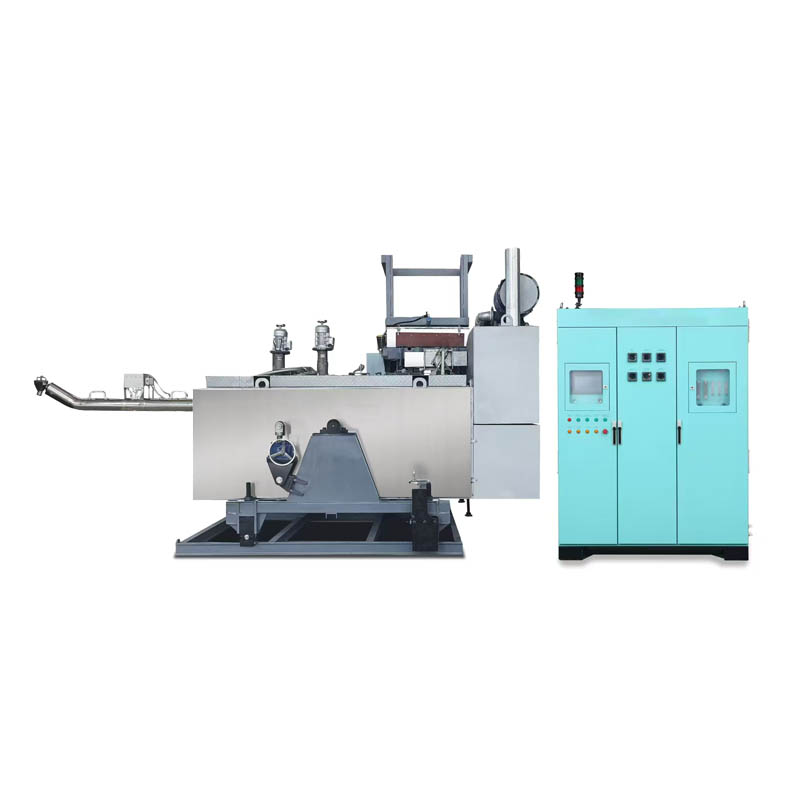
Transferring molten magnesium requires specialized equipment capable of withstanding aggressive high-temperature environments. Centrifugal or pneumatic mechanical pumps are submerged directly into the molten bath. These pumps draw metal from the extractor chamber and push it upward toward the transfer mechanism. The pump components are typically constructed from specialized bimetallic alloys or coated with advanced ceramics to resist the corrosive nature of liquid magnesium.
The heated swiveling channel, or transfer launder, connects the pump output to the shot sleeve. This channel must be independently heated to prevent the magnesium from prematurely solidifying before it reaches the die casting machine. The swiveling action allows the channel to move into position for pouring and retract during the injection phase, ensuring clear access for the machine's plunger. Operators must regularly inspect the launder heaters to ensure uniform temperature distribution along the entire transfer path.
Implementing an automatic magnesium dosing furnace fundamentally changes foundry throughput. PLC-integrated automatic dosing eliminates the inconsistencies and delays associated with manual ladling. The system communicates directly with the die casting machine, initiating the pour at the exact millisecond the shot sleeve is ready. This tight integration shaves seconds off every cycle, significantly increasing daily production volumes.
Automated bath level monitoring ensures continuous production rhythms. As the metal level drops, sensors detect the change and trigger automatic compensation routines. This prevents short shots and eliminates the need for operators to manually adjust pump settings. The casting cycle runs at maximum speed without interruption. The PLC also monitors pump motor torque, alerting maintenance teams to potential blockages or excessive wear before a failure occurs.
Exact shot weights are achieved through sophisticated dosing technologies. A magnesium alloy quantitative furnace typically utilizes either time-pressure dosing or mechanical displacement. Time-pressure systems apply a precise amount of gas pressure for a specific duration to push metal up a riser tube. Mechanical displacement relies on the physical movement of a piston or pump impeller to deliver a known volume.
Modern systems mitigate bath level fluctuations by employing continuous sensor feedback. As the crucible empties, the system automatically increases pump duration or pressure to ensure the delivered volume remains constant. The return on investment for this quantitative accuracy is substantial. Foundries see reduced biscuit sizes, lower remelt energy costs, and minimized flash on final castings due to perfectly filled dies.
Dosing Technology | Mechanism | Accuracy | Best Application |
|---|---|---|---|
Mechanical Centrifugal Pump | Impeller rotation pushes metal up the riser tube. | ± 1.5% | High-volume automotive structural components. |
Pneumatic Time-Pressure | Gas pressure displaces metal through a delivery tube. | ± 1.0% | Thin-wall electronics housings requiring exact weights. |
Piston Displacement | Ceramic piston physically pushes a set volume. | ± 0.5% | Aerospace components demanding zero porosity. |
The extractor chamber relies on its thermal mass to maintain stability. Heating elements, whether electric resistance or gas-fired, must respond rapidly to dosing events. When a volume of metal is removed, the system must compensate without overshooting the target temperature. Electric resistance heating offers superior control for the extractor chamber, providing even heat distribution without the localized hot spots associated with direct gas flames.
PID control systems are critical for maintaining tight temperature tolerances of ± 2°C. Consistent metal fluidity is directly tied to temperature stability. If the metal cools too much, it may cause cold shuts in the casting. If it overheats, it increases the risk of porosity and rapid oxidation. Precision thermal management ensures every shot enters the die at the exact required viscosity, maximizing part density and surface finish.
Intermetallic sludge formation at the bottom of the crucible is an unavoidable reality in magnesium melting. Heavy alloying elements and impurities settle over time, reducing the usable volume of the crucible and potentially clogging dosing pumps. Manganese, often added to improve corrosion resistance, readily combines with iron impurities to form heavy sludge that sinks to the crucible floor.
Furnace designs must prioritize accessibility for safe, routine dross removal and crucible cleaning. Features such as easily removable covers and dedicated access ports allow operators to clean the bath without halting production for extended periods. Effective sludge management prevents hard inclusions from entering the casting and extends the operational life of the crucible.
Standard sludge management protocols include:
Daily surface dross skimming using specialized perforated tools.
Weekly deep-bath dredging to remove accumulated intermetallic sludge from the crucible bottom.
Monthly crucible inspections to check for refractory wear or steel degradation.
Quarterly pump removal and thorough cleaning of the impeller and riser tube.
Dosing pumps, transfer tubes, and crucibles face severe wear and tear when continuously exposed to aggressive molten magnesium. The mechanical components operating beneath the surface require rigorous maintenance schedules to prevent catastrophic failure during a production run. Magnesium aggressively attacks standard steels, requiring the use of specialized clad materials or high-nickel alloys for submerged parts.
Foundries face a distinct trade-off between higher upfront costs for premium refractory or bimetallic components versus the downtime costs of frequent replacements. Investing in high-grade, corrosion-resistant materials for submerged pumps significantly extends maintenance intervals. This keeps the die casting cell operational and productive, offsetting the initial capital expenditure through increased machine uptime.
Operating a magnesium melting system requires strict adherence to safety protocols. Facilities must be equipped with emergency run-off pits to contain metal in the event of a crucible breach. Operators must wear specialized personal protective equipment (PPE), including aluminized suits and face shields. They must be thoroughly trained in handling protective gas cylinders and responding to metal fires using Class D extinguishants.
The hidden costs of operator training are substantial. Foundries must invest in foolproof automation to mitigate human error. Automated fault detection, gas flow alarms, and emergency shut-off sequences are mandatory features. These systems protect both the workforce and the facility infrastructure, ensuring that a minor sensor failure does not escalate into a major thermal event.
Maintaining a continuous holding state draws significant energy, especially over weekends or non-production shifts. Foundries must compare this continuous energy draw against the efficiency of rapid melting cycles from a cold start. Emptying the crucible and restarting requires massive energy input and increases thermal stress on the crucible walls.
Insulation technologies and crucible materials, such as clad steel, play a major role in optimizing thermal efficiency. High-quality microporous insulation reduces heat loss through the furnace shell. This lowers the kilowatt-hour per kilogram melted and significantly reduces monthly utility expenditures. Proper lid sealing also prevents radiant heat loss, further improving the overall thermal efficiency of the melting cell.
The optimal magnesium melting and dosing system strikes a precise balance between required shot precision, strict safety compliance, and manageable maintenance capacity. Upgrading from manual or single-chamber setups to automated, two-chamber configurations directly impacts casting quality and facility throughput.
When shortlisting equipment, prioritize two-chamber automatic systems for high-volume automotive and aerospace die casting applications. Reserve tilt/pour and stir casting systems for specialized batch casting or composite manufacturing where flexibility outweighs continuous cycle speed.
Take these immediate actions to optimize your foundry workflow:
Conduct a facility audit of your current cycle times, scrap rates, and energy usage.
Document your specific alloy requirements, shot weight tolerances, and daily throughput goals.
Evaluate your current gas mixing systems for environmental compliance and safety.
Request a technical consultation or pilot testing with established furnace manufacturers to validate performance before integration.
A: It is an integrated system designed to safely melt solid magnesium alloys, maintain them at precise temperatures under a protective gas cover, and accurately transfer volumetric doses of the molten metal directly into a cold chamber die casting machine.
A: It completely eliminates the need for manual ladling, removing operators from close proximity to the molten bath. It also utilizes enclosed protective gas systems to prevent oxidation and features automated fault detection to shut down operations if anomalies occur.
A: The melting chamber receives cold ingots and provides the high heat necessary to melt them. The extractor chamber is thermally isolated from the melting zone, tasked solely with maintaining the molten metal at a precise, stable temperature for accurate dosing.
A: These furnaces use automated compensation algorithms and continuous sensor feedback loops. As the metal level in the crucible drops, the system automatically adjusts the pump's operating duration or pressure to ensure the delivered shot volume remains exactly the same.
A: It is a specialized furnace equipped with mechanical agitators. It is needed for producing magnesium metal matrix composites (MMCs) or complex alloys, as stirring distributes particulate reinforcements evenly and prevents heavy alloying elements from segregating.
A: Magnesium requires a cover gas to prevent ignition. Current industry standards utilize gases like SO2 or specific blends of N2 and R134a. These modern mixtures have largely replaced SF6 due to its severe environmental impact as a greenhouse gas.
A: Maintenance involves routine cleaning of the impeller and riser tube to remove sludge. The pump must be pre-heated before submersion to prevent thermal shock. Wear parts require scheduled replacement based on operating hours and alloy aggressiveness.
