
EMAIL:
lh@longhuamachine.com
TELL/whatsapp:
+8619305527239  English English
Views: 0 Author: Site Editor Publish Time: 2025-09-23 Origin: Site


You rely on your high pressure die casting machine to deliver consistent, high-quality results. Quick identification of problems in your high pressure die casting machine keeps downtime low and prevents costly defects. Regular inspection of your high pressure die casting machine helps you spot issues early. Maintenance routines extend the life of your high pressure die casting machine and reduce unexpected failures. Operator training ensures you use your high pressure die casting machine safely and effectively. Expect practical steps that help you keep your high pressure die casting machine running smoothly.
Regular inspections of your high pressure die casting machine help catch problems early, reducing downtime and defects.
Use your senses to troubleshoot issues. Look for leaks, listen for unusual sounds, and check for performance changes.
Maintain a checklist for daily inspections. This helps you stay organized and ensures you don’t miss important checks.
Adjust process parameters like temperature and pressure to improve casting quality and prevent defects.
Contact your die casting machine supplier for expert help if you encounter complex issues that you cannot resolve.
When you work with a high pressure die casting machine, you need to spot problems quickly. You can troubleshoot common issues by using your senses and basic tests. Start by looking and listening for signs that something is wrong. Regular inspection helps you catch problems before they get worse. You should check for leaks, unusual noises, and changes in pressure values. These signs often point to common issues in machines like zinc alloy die casting machines or aluminum die cast machines.
You can learn a lot by watching and listening to your high pressure die casting machine. Look for oil leaks around the hydraulic system. Watch for cracks or wear on the mold. Listen for grinding, knocking, or hissing sounds. These noises may mean a part is loose or a pump is failing. If you see smoke or sparks, stop the machine right away. You should also check for uneven surfaces or discoloration in cast parts. These signs may show problems with temperature control or material flow.
Tip: Use a flashlight and a stethoscope to inspect hard-to-see areas and listen for hidden noises.
Test your high pressure die casting machine during operation. Watch for slow cycles, low pressure readings, or poor material flow. If you notice that the mold does not clamp tightly, you may have a hydraulic or mechanical issue. Compare your machine’s performance to the standards set by your die casting machine supplier. You should also check the quality of cast parts. Look for defects like porosity, cracks, or incomplete fills. These problems often mean you need to adjust process parameters or perform troubleshooting.
Regular inspection and testing help you find common issues early. You can prevent downtime and keep your cold chamber die casting machine or other equipment running smoothly. If you cannot fix a problem, contact your die casting machine supplier for expert help.
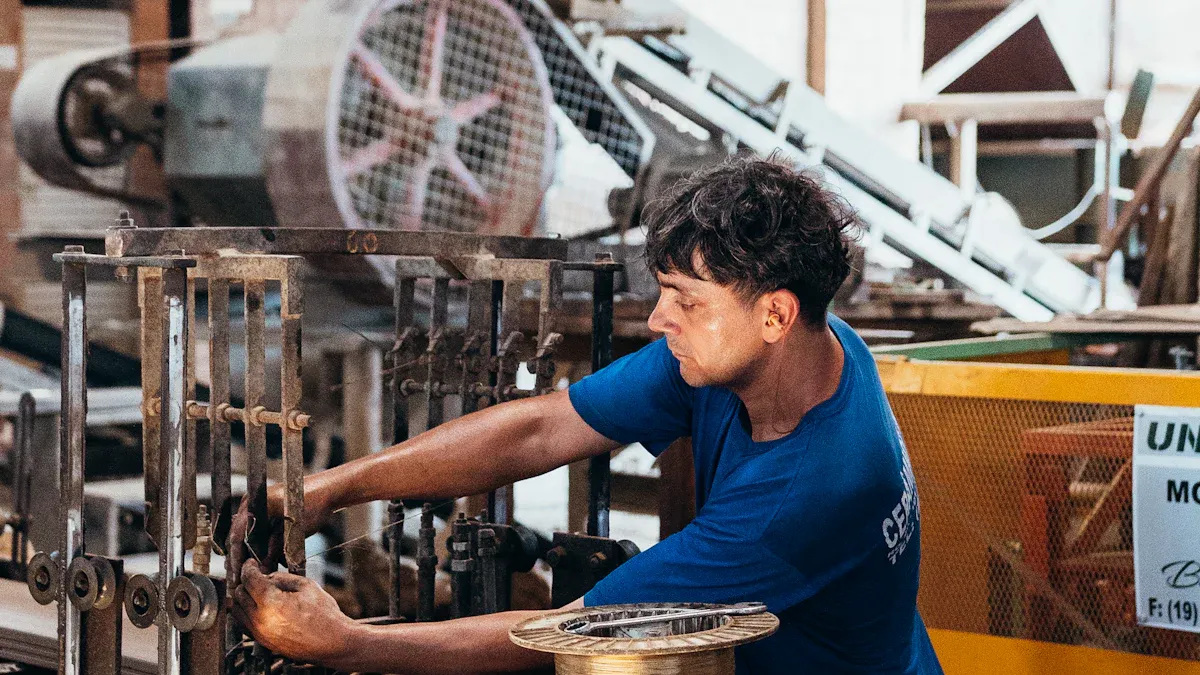
You need to diagnose problems in your high pressure die casting machine by checking equipment records and process parameters. Careful analysis helps you find the root cause of failure and prevents common failures. You should look for patterns in machine downtime, pressure drops, or changes in material quality. These issues often point to mechanical, electrical, hydraulic, or process-related problems.
Mechanical issues can cause failure in your zinc alloy die casting machine or aluminum die cast machine. You may notice abnormal vibrations, loose bolts, or worn-out gears. Check the mold alignment and inspect moving parts for damage. Use a checklist to track common failures like broken tie bars or stuck ejector pins. If you find cracks or excessive wear, replace the faulty parts to avoid further problems.
Tip: Keep a log of mechanical failures to spot recurring issues and improve maintenance routines.
Electrical faults often lead to sudden failure in your high pressure die casting machine. You should check control panels for warning lights or error codes. If the thermal relay trips, inspect the wiring and connections for damage. Common failures include blown fuses, faulty sensors, or malfunctioning switches. When you see repeated thermal relay trips, test the motor and replace any damaged components.
Electrical Fault | Possible Cause | Solution |
|---|---|---|
Thermal relay trips | Overload or short circuit | Inspect wiring, replace faulty parts |
Sensor failure | Loose connection | Tighten or replace sensor |
Fuse blown | Power surge | Replace fuse, check supply |
Hydraulic system problems can stop your cold chamber die casting machine from working. You should check for leaks, low oil levels, or pressure loss. Common failures include pump breakdowns and valve blockages. If you see slow mold movement or weak clamping force, inspect the hydraulic pump and clean the filters. Fixing these issues quickly reduces downtime and prevents further failure.
Incorrect process parameters often cause problems in your high pressure die casting machine. You should monitor temperature, pressure, and injection speed. If you see casting defects or incomplete fills, adjust the settings according to your die casting machine supplier’s guidelines. Track changes in process parameters to identify issues before they lead to failure. Regular calibration helps you avoid common failures and maintain product quality.
When you face problems with your die casting equipment, you need a clear plan for troubleshooting of die casting machine issues. This section guides you through step-by-step solutions for the most common problems. You will learn how to check, fix, and maintain your high pressure die casting machine, zinc alloy die casting machine, aluminum die cast machine, and cold chamber die casting machine. You will also know when to contact your die casting machine supplier for expert help.
If the oil pump cannot start, you must act quickly to prevent downtime.
Follow these steps:
Check the power supply. Make sure the main switch is on and the emergency stop is released.
Inspect the control panel for error codes or warning lights.
Test the motor and wiring for loose connections or damage.
Examine the thermal relay. If it trips, reset it and monitor for overload.
Look for blown fuses and replace them if needed.
Tip: Clean the oil filter regularly to prevent blockages that can stop the pump.
If you still have no action on the whole machine, contact your die casting machine supplier for further troubleshooting.
Pressure problems can lead to poor die casting quality and slow cycles.
Take these steps:
Check the hydraulic oil level. Add oil if it is low.
Inspect for leaks in hoses, valves, and cylinders.
Test the pressure gauge. Replace it if readings are inaccurate.
Clean or replace clogged filters.
Adjust the pressure settings according to your machine’s manual.
If you see no total pressure or weak clamping force, you may have a faulty pump or valve.
Schedule regular maintenance to keep the hydraulic system in top condition.
Proper mold clamping ensures a high-quality mold and prevents casting defects.
If the mold does not clamp tightly:
Inspect the hydraulic system for leaks or low pressure.
Check the mold alignment and clean the clamping surfaces.
Examine the tie bars and locking mechanism for wear or damage.
Lubricate moving parts to reduce friction.
Test the automatic action. If there is no automatic action, reset the control system.
Note: Replace worn-out components to avoid cracks and improve safety.
Contact your die casting machine supplier if you cannot fix mold clamping issues.
Material flow problems can cause incomplete fills and potential defects in die casting.
To improve material flow:
Check the temperature of the molten metal. Adjust the heater if needed.
Inspect the injection system for blockages or wear.
Clean the runner and gate areas in the mold.
Test the shot cylinder. If there is no shot action, check the hydraulic and electrical connections.
Tip: Use only clean, high-quality alloy to reduce casting defects.
Regular cleaning and inspection help you maintain smooth material flow and improve die casting results.
Temperature control plays a key role in die casting quality.
If you notice uneven surfaces or discoloration:
Monitor the mold and metal temperatures using calibrated sensors.
Adjust the heater or cooling system to maintain stable temperatures.
Inspect the thermocouples and replace faulty ones.
Check for insulation damage around heating elements.
Alert: Overheating can cause cracks and other die casting defects.
Schedule routine calibration of temperature controls to avoid problems and maintain consistent quality.
Leaks in your die casting machine can lead to pressure loss and contamination.
To fix leaks:
Inspect all hydraulic lines, fittings, and seals for oil leaks.
Tighten loose connections and replace damaged hoses.
Clean up spilled oil to prevent slips and fire hazards.
Check for leaks in the cooling system and repair as needed.
Note: Regularly inspect for leaks during maintenance to prevent unexpected failures.
If leaks persist, contact your die casting machine supplier for expert repairs.
Casting defects reduce the value of your die casting products.
Common defects include porosity, cracks, and incomplete fills.
To reduce casting defects:
Adjust process parameters such as pressure, temperature, and injection speed.
Use a high-quality mold and clean alloy materials.
Inspect the mold for wear or damage before each cycle.
Monitor the cooling rate to prevent cracks and warping.
Record and analyze defects to identify patterns and improve die casting.
Tip: Improving die casting starts with regular inspection and prompt troubleshooting of die casting machine issues.
If you cannot solve die casting defects, seek help from your die casting machine supplier.
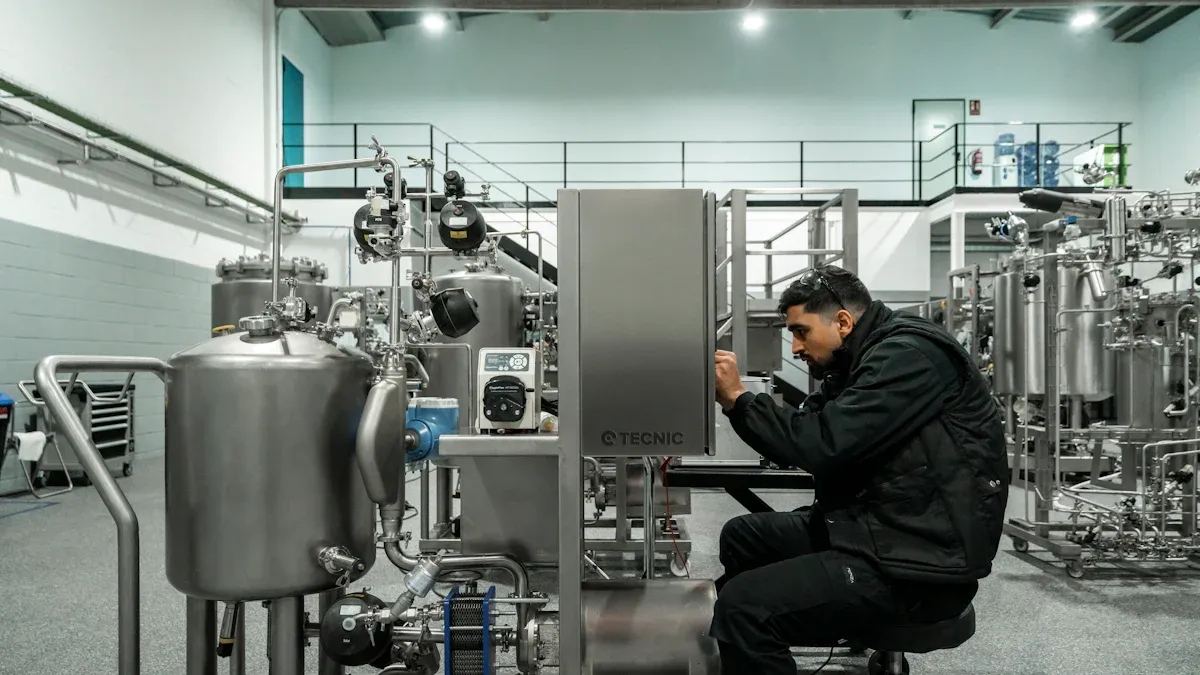
You need a clear checklist to keep your high pressure die casting machine running smoothly. Use this guide to spot issues early and fix them fast. This checklist covers zinc alloy die casting machines, aluminum die cast machines, and cold chamber die casting machines. You can use it for daily inspections or when you notice problems. If you cannot solve an issue, contact your die casting machine supplier for expert help.
Visual Inspection
Check for oil leaks around the high pressure die casting machine.
Look for cracks or wear on the mold.
Inspect cast parts for defects like porosity or incomplete fills.
Auditory Inspection
Listen for grinding, knocking, or hissing sounds.
Stop the machine if you hear unusual noises.
Operational Checks
Test mold clamping and material flow.
Monitor pressure readings and temperature controls.
Compare performance to your die casting machine supplier’s standards.
Hydraulic System
Check oil levels in your cold chamber die casting machine.
Inspect hoses, valves, and cylinders for leaks.
Clean filters and replace damaged parts.
Electrical System
Inspect control panels for error codes.
Test wiring, fuses, and sensors.
Reset thermal relays if needed.
Process Parameters
Adjust pressure, temperature, and injection speed.
Use high-quality alloy in your zinc alloy die casting machine or aluminum die cast machine.
Record changes and monitor results.
Tip: Keep this checklist near your high pressure die casting machine for quick access. Regular use helps you prevent downtime and defects.
You often see leaks, pressure drops, or casting defects in a high pressure die casting machine. Problems can also include poor mold clamping and slow cycles. Regular checks help you spot issues early in zinc alloy die casting machines and aluminum die cast machines.
Tip: Always inspect your cold chamber die casting machine for oil leaks and worn parts.
You can adjust process parameters like pressure and temperature. Clean the mold and use high-quality alloy. If defects continue, contact your die casting machine supplier for expert advice. This helps you improve results in zinc alloy die casting machines and aluminum die cast machines.
You should check the power supply and control panel first. Inspect wiring and reset the thermal relay. Replace blown fuses if needed. If the oil pump still does not start, reach out to your die casting machine supplier for help.
You should inspect and maintain your high pressure die casting machine every week. Clean filters, check oil levels, and test electrical systems. Regular maintenance keeps zinc alloy die casting machines and aluminum die cast machines running smoothly.
Maintenance Task | Frequency |
|---|---|
Oil level check | Weekly |
Filter cleaning | Monthly |
Mold inspection | Daily |
You should contact your die casting machine supplier if you cannot fix leaks, electrical faults, or casting defects. Expert help is needed for complex problems in high pressure die casting machines, zinc alloy die casting machines, and aluminum die cast machines.
