
EMAIL:
lh@longhuamachine.com
TELL/whatsapp:
+8619305527239  English English
Views: 0 Author: Site Editor Publish Time: 2025-06-13 Origin: Site


Did you know that millions of tons of plastic waste are produced every year? Plastic recycling plays a vital role in reducing pollution and conserving resources.
In this post, we’ll explore the machines used to melt plastic, including Extruders, Injection Molders, and Compression Machines. You’ll learn how these machines transform waste into valuable new products for a more sustainable future.
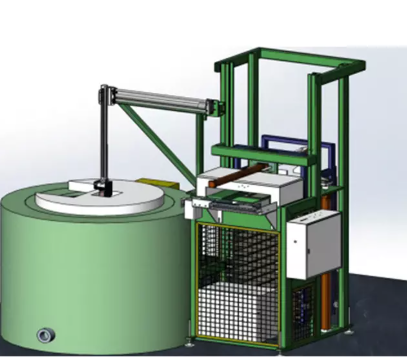
Plastic recycling is a crucial process in reducing waste and conserving resources. One of the most important steps in recycling plastic is melting it. But how exactly do machines melt plastic? The process typically involves three main components: heat, pressure, and mechanical action.
The first step is applying heat to the plastic. This softens and eventually melts it, making it easier to shape or mold. Depending on the type of plastic, the temperature needs to be carefully controlled. For example, PET (Polyethylene Terephthalate), commonly used for plastic bottles, melts at a higher temperature than HDPE (High-Density Polyethylene), which is often used for plastic bags. Once the plastic reaches its melting point, it’s typically pushed through a barrel by a rotating screw. The pressure exerted by the screw ensures that the plastic moves forward and melts evenly.
PET melts at around 250°C to 260°C. It’s used in products like plastic bottles and food containers.
HDPE melts at a lower temperature, around 230°C. It's common in items like milk jugs and detergent bottles.
PP typically melts between 160°C to 170°C. It’s used in products like straws, yogurt containers, and bottle caps.
Each of these plastics has different properties, and the melting process is tailored to ensure optimal recycling. The temperature and pressure used during melting affect the quality of the final product, making it crucial to use the right settings.
Machines play a key role in plastic recycling, especially when it comes to melting. When plastic is melted, it becomes reusable, which helps reduce the amount of plastic waste in landfills. Instead of discarding plastic waste, recycling machines turn it into new products. This process can be used to create anything from construction materials to consumer goods.
Melting plastic for recycling also reduces the need for producing new plastic from raw materials. This has significant environmental benefits. The production of new plastic is resource-intensive and contributes to greenhouse gas emissions. By recycling plastic waste, we can reduce pollution, save resources, and cut carbon emissions. Furthermore, the energy used in melting and recycling plastic is often less than what is required to produce new plastic, making it a more energy-efficient solution.
Extrusion machines are commonly used in plastic recycling to melt plastic and create continuous shapes such as beams, sheets, or filaments. The process involves feeding plastic pellets or flakes into the machine, where they are melted by heat and pressure. A rotating screw pushes the melted plastic through a heated barrel. The melted plastic then flows out of a nozzle and is cooled, solidifying into a new form.
One of the main advantages of extrusion machines is their ability to produce large quantities of recycled plastic quickly. These machines can be used to create a wide variety of products, including plastic beams for construction, sheets for packaging, and filaments for 3D printing. There are different variations of extrusion machines, including single-screw and twin-screw extruders.
Single-screw extruders are simple and easy to operate, making them ideal for small-scale recycling operations.
Twin-screw extruders offer better mixing and are more efficient for processing different types of plastic. They are often used in larger operations or when higher precision is needed.
A popular example of an open-source extrusion machine is Precious Plastic’s Extruder, which has been designed for small-scale plastic recycling. This machine is perfect for individuals or small businesses that want to recycle plastic and create new products.
Injection molding machines are another type of machine used to melt plastic. These machines are designed for producing precise and intricate shapes. In injection molding, melted plastic is injected into a mold under high pressure, filling every part of the mold to form detailed products like combs, phone cases, or vases.
The injection molding process allows for high precision and can produce complex shapes with smooth surfaces. This method is ideal for small-to-medium-sized production runs. While injection molding is more expensive and complex than extrusion, it offers the benefit of producing high-quality products with detailed features.
One major advantage of injection molding in recycling is that it allows for the creation of customized products from recycled plastic. For example, recycled plastic can be used to create new consumer goods, automotive parts, or household items.
Compression machines use heat and pressure to melt plastic, and they are typically used for larger molds or to create sheets and shapes. The plastic is placed in a mold, where pressure is applied while it is heated, causing the plastic to melt and take the shape of the mold.
While compression machines are slower and less precise than extrusion or injection molding machines, they are ideal for large-scale recycling projects. These machines are particularly useful for producing thick plastic products or molds that require a lot of pressure to form.
Compression machines are also often used in cases where the final product needs to be more substantial, such as large sheets of recycled plastic used in construction or other industrial applications. However, the trade-off is that the process can be slower and less flexible compared to extrusion or injection molding.
Melting plastic using machines is an essential part of the recycling process. It transforms waste plastic into valuable new products, reduces environmental impact, and helps conserve resources. Whether through extrusion, injection molding, or compression, these machines make it possible to recycle plastics on various scales, from small businesses to large industries. By choosing the right machine, we can optimize plastic recycling, create sustainable products, and contribute to a circular economy.
Plastic melting machines are essential for recycling plastic waste. They transform discarded plastic into valuable new products. By using machines like extruders, injection molders, and compression machines, we can significantly reduce waste and promote sustainability.
Get Started with Plastic Recycling Today! Explore resources like the Precious Plastic Academy, Bazar, and how-to guides. Learn more about melting machines and begin your own recycling projects to help build a greener future.
Machines that melt plastic include extrusion machines, injection molding machines, and compression machines. These machines use heat, pressure, and mechanical action to transform plastic waste into new products.
Extrusion machines use a rotating screw to push plastic through a heated barrel, where it melts. The melted plastic is then shaped into continuous forms like beams or sheets.
Common plastics like PET, HDPE, and PP are frequently melted for recycling. Each plastic type has a specific melting temperature.
Melting plastic allows it to be reused in new products, reducing waste in landfills and conserving resources. It also helps lower the environmental impact of producing new plastic.
Yes, you can build your own plastic melting machine using open-source designs like Precious Plastic. These designs are perfect for small-scale, DIY recycling projects.
By recycling plastic waste, these machines reduce the need for new plastic production, which saves energy, reduces pollution, and minimizes landfill waste.
Injection molding is used to create detailed, complex shapes by injecting melted plastic into molds. Extrusion is used for creating continuous forms like sheets or beams.
