
EMAIL:
lh@longhuamachine.com
TELL/whatsapp:
+8619305527239  English English
Views: 0 Author: Site Editor Publish Time: 2026-08-27 Origin: Site


High-volume metal manufacturing leaves zero room for equipment mismatch. Selecting the wrong casting process for a specific component leads to accelerated equipment degradation, excessive porosity, and unscalable unit economics. Forcing incompatible materials through a submerged injection system guarantees premature gooseneck failure and massive rejection rates. To justify the capital expenditure of a hot chamber die casting machine, production managers must rigorously evaluate their product portfolio against the strict material and geometric constraints of the hot chamber process. You need to map part designs directly to the mechanical realities of the machinery. This ensures you deploy the right technology for your specific component designs, maximizing cycle times and tooling longevity without destroying your injection hardware.
Material Limitations Dictate Output: Hot chamber machines are strictly viable for low-melting-point metals (typically under 450°C/842°F), making them the industry standard for zinc, magnesium, and tin alloys, but generally unsuitable for aluminum, iron, or steel.
High-Volume Economics: The direct connection between the molten metal supply and the die allows for rapid cycle times (up to 15 cycles per minute), making it ideal for high-volume, small-to-medium-sized components.
Precision and Net-Shape Casting: Products requiring thin walls, tight dimensional tolerances, and excellent surface finishes straight out of the mold are prime candidates for this technology.
Tooling Longevity: Due to lower operating temperatures compared to cold chamber processes, dies and internal components experience less thermal fatigue, lowering long-term maintenance costs for compatible products.
Understanding the mechanical constraints of the machine determines if your product designs can survive the manufacturing process without compromising structural integrity. The core difference between casting methods lies in how the molten metal reaches the die. In a hot chamber setup, the injection mechanism remains permanently submerged in a holding furnace filled with liquid metal. This continuous exposure dictates every capability and limitation of the equipment.
The submerged injection mechanism consists of three primary components: the gooseneck, the plunger, and the nozzle. The gooseneck acts as the main conduit. It sits directly inside the molten metal bath. When the plunger retracts, liquid metal flows into the gooseneck cylinder through intake ports. The plunger then drives downward, forcing the metal up through the gooseneck, past the heated nozzle, and directly into the die cavity.
This direct, continuous connection minimizes metal oxidation. The molten metal never touches the ambient air before injection. This closed-loop system allows for incredibly fast cycle times. The machine does not wait for a ladle to transfer metal for each shot. However, this constant submersion requires the internal components to withstand continuous thermal and chemical exposure. We use specialized cast iron or forged steel for the gooseneck to resist the corrosive nature of molten zinc and magnesium.
You will often find confusing industry literature that loosely groups aluminum, iron, and steel into general die casting capabilities. This creates a dangerous misconception for production managers. High-melting-point metals severely degrade the submerged ferrous components of a hot chamber system. Aluminum melts at around 660°C (1220°F). At this temperature, molten aluminum acts as a solvent. It aggressively attacks and alloys with the steel gooseneck and plunger.
If you attempt to run aluminum through a hot chamber system, the internal injection components will erode and fail within hours. The molten aluminum literally dissolves the machine from the inside out. Therefore, you must establish the machine's primary identity. It operates best as a dedicated zinc alloy die casting machine or a specialized magnesium processing unit. You must reserve aluminum, iron, and steel exclusively for cold chamber or investment casting processes.
Mapping machine capabilities to specific industry applications helps you identify profitable production routes. The hot chamber process excels at producing intricate, high-volume parts that require minimal secondary machining. By leveraging the specific properties of zinc, magnesium, and tin, manufacturers supply components across multiple global industries.
The automotive sector relies heavily on hot chamber casting for both aesthetic and functional parts. Interior hardware requires flawless surface finishes and high tactile quality. Door handles, seatbelt mechanisms, and steering column lock housings are perfect fits for zinc alloys like Zamak 3 and Zamak 5. These parts demand high impact resistance and tight dimensional control to ensure passenger safety and smooth mechanical operation.
Under-the-hood components utilize magnesium for lightweighting. Reducing mass becomes mandatory for fuel efficiency and electric vehicle range. Sensor housings, small gearboxes, and electronic control unit enclosures benefit from magnesium's excellent strength-to-weight ratio. The rapid cycling keeps the unit cost of these complex housings competitive.
Aerospace engineering demands strict weight-to-strength ratios. Every gram matters when launching an aircraft or satellite. Hot chamber machines produce lightweight magnesium brackets used throughout aircraft frames. You will also find this process used for interior cabin hardware, such as tray table mechanisms and overhead bin latches. Electronic connector housings cast from magnesium provide necessary structural integrity while shedding excess weight. The ability to cast thin walls without compromising strength makes this process invaluable for aerospace suppliers.
Modern electronics require dense, complex architectures packed into shrinking form factors. Hot chamber casting provides the precision necessary for this sector. EMI/RFI shielding components are frequently cast from zinc. Zinc naturally blocks electromagnetic interference, protecting sensitive internal circuitry. Manufacturers also produce heat sinks, connector housings, and intricate chassis for mobile devices. The process allows engineers to integrate mounting bosses, snap-fits, and cooling fins directly into a single cast component, eliminating assembly steps.
Industrial environments punish hardware. Components must withstand heavy wear, corrosive environments, and constant mechanical stress. Swing handle gearboxes and quarter-turn padlockable components demand high durability. Complex lock cylinders require precise internal geometries to function securely. Operating as a dedicated zinc product die casting machine ensures you can mass-produce high-strength, wear-resistant fasteners, brackets, and hinges. Zinc's natural lubricity also makes it ideal for moving parts inside lock mechanisms.
Plumbing components require absolute pressure tightness and excellent corrosion resistance. Valve bodies, faucet hardware, and pneumatic fittings are routinely manufactured using hot chamber machines. Zinc alloys flow easily into complex mold cavities, ensuring dense, porosity-free walls that hold back water and air pressure. Furthermore, zinc accepts electroplating exceptionally well. This allows manufacturers to apply durable chrome or brass finishes directly to the cast faucet bodies, meeting consumer aesthetic demands.
While less common than zinc or magnesium, tin and lead alloys serve highly specialized niche markets. These metals possess ultra-low melting points, making them exceptionally easy on hot chamber equipment. Battery terminals require the chemical resistance and conductivity of lead. Wheel weights utilize lead or heavy zinc alloys for mass. Specialized low-friction bearings often incorporate tin alloys. The hot chamber process handles these materials effortlessly, producing heavy, dense parts with rapid cycle times.
Common Hot Chamber Alloys and Applications
Alloy Type | Melting Range | Primary Characteristics | Typical Applications |
|---|---|---|---|
Zamak 3 (Zinc) | 381 - 387°C | Excellent balance of physical and mechanical properties, superb castability. | Automotive hardware, consumer electronics, plumbing fixtures. |
Zamak 5 (Zinc) | 380 - 386°C | Higher copper content yields greater hardness and tensile strength than Zamak 3. | Lock cylinders, industrial fasteners, high-stress brackets. |
AZ91D (Magnesium) | 470 - 595°C | High strength-to-weight ratio, excellent corrosion resistance. | Aerospace brackets, automotive ECU enclosures, power tool housings. |
Tin Alloys | 232°C | Ultra-low melting point, high ductility, non-toxic. | Food service equipment parts, specialized bearings. |
Lead Alloys | 327°C | High density, excellent chemical resistance. | Battery terminals, wheel weights, radiation shielding. |
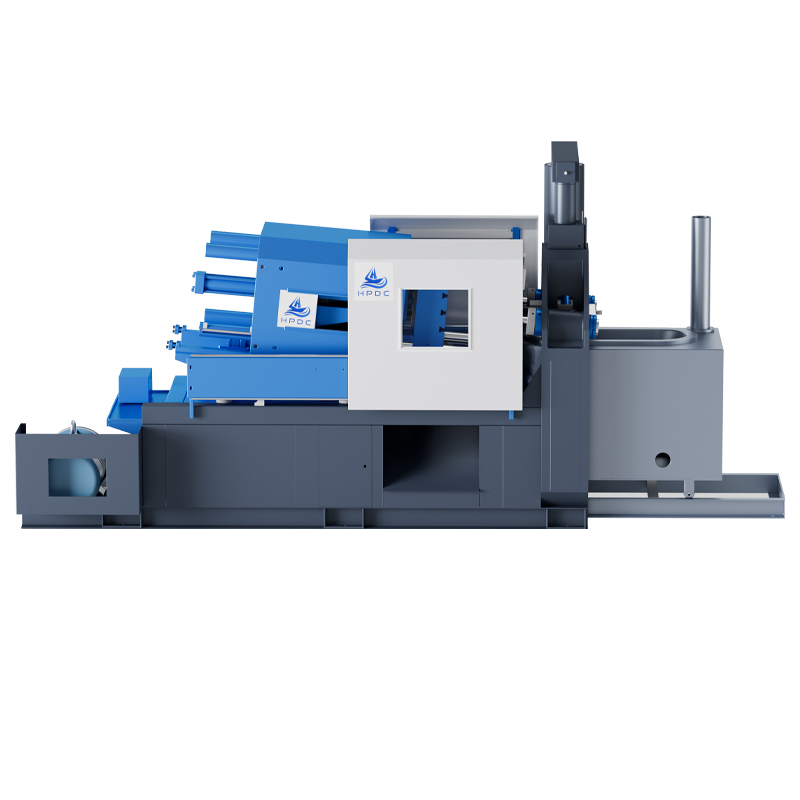
Before routing a specific part to a hot chamber line, you must evaluate its physical features against the desired manufacturing outcomes. Not every small metal part belongs in a die casting machine. You need a framework for assessing dimensional requirements, surface finish needs, and overall production economics.
One of the greatest advantages of a standard Hot Chamber Die Casting Machine is its ability to push metal into extremely narrow cavities. Zinc alloys possess high fluidity when molten. You can successfully cast walls as thin as 0.5mm while maintaining structural rigidity. This capability allows engineers to design complex geometries with intricate internal webbing and thin cooling fins.
The process holds tight dimensional tolerances, often achieving ±0.05mm on critical features. This precision significantly reduces the need for secondary CNC milling or turning. When evaluating a product, look for designs that integrate multiple features into a single solid body. You can cast internal threads, gear teeth, and precise mounting holes directly. The more complex the geometry, the more cost-effective the hot chamber process becomes.
Surface finish directly impacts final part cost. The hot chamber process yields incredibly smooth net-shape parts straight out of the mold. Because the metal is injected under high pressure into polished steel dies, the resulting surface requires minimal preparation. This smooth finish enables direct plating, painting, or powder coating.
If your product requires a high-gloss chrome finish, zinc hot chamber casting is the optimal route. The dense outer skin of the casting prevents plating chemicals from bleeding into the metal, ensuring a flawless, mirror-like finish. Evaluate your current secondary processing costs. If you spend heavily on grinding and polishing sand-cast or machined parts, switching to hot chamber die casting will drastically reduce your finishing expenses.
Die casting requires a significant upfront investment in steel tooling. To justify this cost, you must calculate the break-even point based on production volume. Hot chamber systems offer rapid cycle capabilities. Small zinc parts can cycle up to 15 times per minute. This high-speed output dilutes the initial tooling cost across hundreds of thousands of units.
If you only need 500 parts per year, CNC machining or 3D printing makes more economic sense. However, if your annual volume exceeds 10,000 units, the rapid cycle economics of the hot chamber process dominate. Calculate your required cycle times to meet annual volume targets. The continuous metal feed of the hot chamber system eliminates the dead time associated with ladling, maximizing your hourly part yield.
Comparing the two dominant die casting methodologies helps you finalize procurement or outsourcing decisions. You must weigh the conceptual trade-offs between speed, material properties, and equipment longevity. Choosing the wrong machine type for your alloy will halt production and destroy your tooling.
Hot Chamber vs. Cold Chamber Comparison
Feature | Hot Chamber Die Casting | Cold Chamber Die Casting |
|---|---|---|
Compatible Metals | Zinc, Magnesium, Tin, Lead | Aluminum, Brass, Copper, Steel |
Melting Point Limit | Low (Typically under 450°C) | High (Can exceed 1000°C) |
Injection Mechanism | Submerged in molten metal bath | External, requires ladling per shot |
Cycle Speed | Very Fast (Up to 15 shots/min) | Slower (Due to ladling and cooling) |
Tooling Life | Extended (Often 1M+ shots for zinc) | Shorter (High thermal shock degrades dies) |
Porosity Risk | Lower (Closed system limits air) | Higher (Air trapped during ladling) |
The primary engineering trade-off exists between production speed and ultimate tensile strength. Hot chamber casting offers rapid production of zinc and magnesium components. Zinc provides excellent impact resistance and ductility, making it perfect for structural brackets and housings. Magnesium offers unparalleled lightweighting. Both materials flow quickly and solidify rapidly, allowing for aggressive cycle times.
However, if your product requires the specific tensile strength, high-temperature resistance, or specific alloy characteristics of aluminum, you must sacrifice the speed of the hot chamber. Cold chamber casting accommodates aluminum's high melting point by keeping the injection mechanism separate from the furnace. You trade the rapid, automated cycling of the hot chamber for the structural properties of aluminum.
Operating temperatures dictate the lifespan of your steel molds. Hot chamber dies last significantly longer than cold chamber dies. Because zinc melts at a much lower temperature than aluminum, the steel die experiences far less thermal shock during each injection cycle. It is common for a zinc die to exceed one million shots before requiring major refurbishment. This longevity drastically reduces your per-part tooling amortization.
Conversely, the machine itself requires more specialized maintenance. The submerged gooseneck and plunger endure constant exposure to liquid metal. These components wear down over time and require frequent inspection and replacement. You trade extended die life for increased injection system maintenance. You must factor gooseneck replacement schedules into your production planning to avoid unexpected downtime.
Running a hot chamber die casting machine on the factory floor presents specific operational realities. You must address thermal dynamics, quality control, and facility safety to maintain a profitable and secure manufacturing environment.
The continuous submersion of the injection system causes inevitable thermal fatigue. The cast iron or steel gooseneck expands and contracts during operation. Over time, the plunger rings wear against the cylinder walls, leading to pressure loss during injection. If you lose injection pressure, your parts will not fill completely, resulting in scrap.
You must establish strict protocols for monitoring these components. Implement a preventative maintenance schedule to pull, inspect, and replace gooseneck components before catastrophic failure halts production. Track your injection pressure curves on the machine's control panel. A gradual drop in pressure usually indicates worn plunger rings or a degrading gooseneck sleeve.
When operating a hot chamber machine, you will inevitably encounter casting defects. Identifying the root cause quickly prevents massive scrap runs.
Cold Shuts: These occur when two streams of molten metal meet but fail to fuse completely. You fix this by increasing the injection speed or raising the die temperature to keep the metal fluid longer.
Blisters: Surface blisters appear when trapped gas expands during the cooling phase or subsequent heat treatments. You must improve die venting or reduce the amount of die lubricant applied between shots.
Shrinkage Porosity: This happens when the metal shrinks as it cools, leaving voids in thick sections of the part. You mitigate this by redesigning the part to have uniform wall thickness or by increasing the holding pressure at the end of the injection stroke.
Flash: Excessive flash indicates that the injection pressure exceeds the machine's clamping force, or the die faces are damaged. You need to verify the clamping tonnage and inspect the parting line for wear.
While the closed-loop system reduces air exposure, trapped gas remains a reality in complex product molds. Porosity occurs when air cannot escape the die cavity before the metal solidifies. This creates internal voids that weaken the part and cause blistering during plating. Flash occurs when injection pressure forces metal outside the die cavity, creating sharp edges that require manual trimming.
To mitigate these risks, implement vacuum-assisted casting. Vacuum systems evacuate air from the die cavity in milliseconds before the metal enters. Additionally, optimize your gating and venting designs. Work with your tooling engineer to ensure overflow wells capture the leading edge of the metal stream, pulling trapped gas away from the critical sections of the part.
Holding a continuous reservoir of molten metal introduces significant facility risks. You must manage the ambient heat generated by the holding furnace. Ensure your facility has proper ventilation and climate control to protect operators and sensitive auxiliary equipment.
Safety standards become critical when casting magnesium. Magnesium dust and shavings are highly flammable. A magnesium fire cannot be extinguished with water; water actually accelerates the reaction. You must install specialized Class D fire suppression systems. Enforce strict operator safety protocols, including mandatory fire-retardant PPE and rigorous housekeeping routines to prevent the accumulation of combustible magnesium dust on the factory floor.
Conduct a comprehensive material audit of your current product line to identify parts suitable for zinc or magnesium conversion.
Calculate your required cycle times and annual volumes to determine the break-even point for hot chamber tooling investments.
Consult with a specialized tooling engineer to assess die design feasibility, focusing on wall thickness and gating configurations.
Evaluate your facility's safety infrastructure, ensuring you have the proper ventilation and fire suppression systems before installing molten metal equipment.
A: No. Aluminum's high melting point and strong affinity for alloying with iron prohibit its use in standard hot chamber machines. Molten aluminum acts as a solvent, rapidly degrading and dissolving the submerged steel gooseneck and plunger. Aluminum requires a cold chamber process.
A: The direct molten metal connection creates a massive speed advantage. Small zinc parts can cycle up to 15 times per minute, depending on part size, wall thickness, and die cooling requirements. This rapid cycling makes the process highly economical for mass production.
A: Zinc alloys offer a low melting point, which protects the machine's internal components and extends die life. Zinc provides high ductility, excellent impact strength, high fluidity for filling thin walls, and takes electroplating and powder coating exceptionally well without extensive surface preparation.
A: Machine tonnage dictates part size, typically ranging from 4 to 1,200 tons of clamping force. While large machines exist, the hot chamber process is generally favored for small to medium components weighing less than a few kilograms, where rapid cooling and fast cycle times maximize profitability.
A: Hot chamber dies last significantly longer. Because zinc and magnesium melt at lower temperatures than aluminum, the steel dies experience far less thermal shock. Hot chamber dies can often exceed 1 million shots for zinc, vastly outlasting cold chamber aluminum dies.
A: Trapped air is a reality in all die casting. However, the closed-loop hot chamber system introduces less air than cold chamber ladling. Proper gating, strategic venting, overflow wells, and vacuum-assisted process controls effectively mitigate porosity, ensuring dense, structurally sound final products.
